Understanding Foundation Options for Coastal Construction
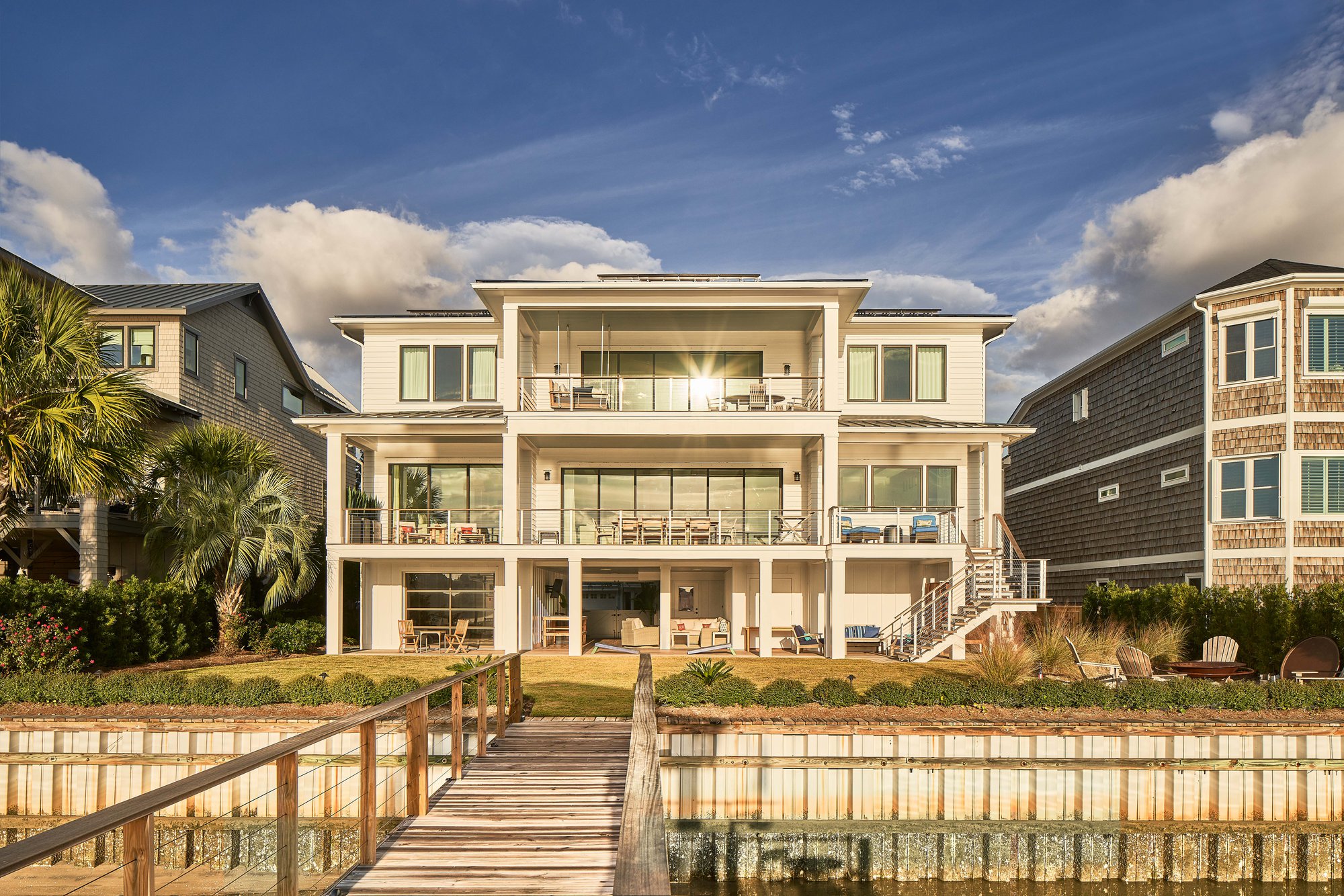
Building near the coast requires careful planning long before framing begins. Soil conditions, flood risks, erosion, and storm exposure all influence how homes should be constructed. In coastal construction, foundation design plays a major role in long-term structural performance. The right foundation helps homes withstand moisture, shifting ground conditions, and severe weather common in coastal environments.
Foundation systems also affect elevation, drainage, and maintenance requirements over time. Choosing the wrong approach can lead to structural movement, water intrusion, and expensive repairs later. This article explains several foundation options commonly used in coastal construction. It also outlines how site conditions influence foundation selection during both new builds and major renovations.
Why Coastal Construction Requires Specialized Foundations
Coastal properties experience environmental pressures that differ from inland building sites. Sandy soils, elevated groundwater, and storm surge create additional challenges beneath the structure itself. Traditional foundation approaches may not perform well in these conditions. Some soils shift more easily under pressure, while others retain moisture that weakens structural stability over time.
Flood zone requirements also influence design decisions significantly. Local building codes often require elevated construction methods in areas vulnerable to storm surge or repetitive flooding. Wind exposure adds another layer of complexity. Foundation systems must anchor homes securely while distributing structural loads safely during severe weather conditions.
Raised Foundations in Coastal Construction
Raised foundations are among the most common solutions in coastal construction. Elevating the structure helps reduce flood risk and improves protection during heavy storms. Pier and beam foundations are frequently used for raised coastal homes. These systems support the structure above ground level while allowing water to pass beneath during flooding events.

Raised foundations also improve ventilation beneath the home. Better airflow helps control moisture buildup and reduces the risk of mold or wood deterioration over time. Access for maintenance is another advantage. Plumbing, electrical systems, and structural components are often easier to inspect and repair beneath elevated homes.
Pile Foundations for High-Risk Coastal Areas
Pile foundations are commonly used in areas with severe flood exposure or unstable soil conditions. These systems transfer structural loads deep into stable ground below the surface. Wood, steel, or concrete piles may be driven deep into the soil depending on site requirements. The home is then constructed above the piles at a safer elevation.
Pile foundations perform especially well in waterfront properties exposed to wave action or erosion. Their deep support systems improve stability during changing environmental conditions. Construction costs for pile systems are often higher than standard foundations. However, these systems provide important long-term protection in demanding coastal environments.
Slab Foundations and Their Coastal Limitations
Concrete slab foundations remain common in many residential projects. However, they are not always the best choice for every coastal site. Slab foundations sit directly on prepared ground surfaces. In low-risk flood zones with stable soils, they may still perform adequately under the right conditions.
Moisture management becomes extremely important with slab systems. Poor drainage or rising groundwater can create long-term moisture issues beneath flooring materials. Elevation requirements may also limit slab foundation use in certain coastal areas. Homes located in higher-risk flood zones often require raised construction methods instead.
Drainage Planning Around Coastal Foundations
Foundation performance depends heavily on proper drainage planning. Water that collects around the structure increases pressure on foundation systems over time. Grading, drainage swales, and gutter systems all help direct water away from the home. These elements reduce erosion and minimize moisture accumulation near structural supports.
Coastal construction also requires attention to groundwater movement. Poor drainage beneath or around the foundation can contribute to settlement and long-term structural stress. Landscaping choices matter as well. Deep-rooted vegetation and strategic grading help stabilize surrounding soil while improving water management around the property.

How Foundation Selection Affects Long-Term Maintenance
Different foundation systems require different maintenance strategies over time. Coastal environments accelerate wear due to moisture exposure and changing weather conditions. Raised foundations allow easier inspection beneath the home. This accessibility helps identify plumbing leaks, moisture buildup, or structural concerns before they worsen.
Pile foundations require periodic evaluation as well. Exposure to water, salt air, and shifting soils can affect long-term performance if left unchecked. Proper maintenance planning helps extend the lifespan of coastal homes significantly. Early inspections and preventative care reduce repair costs and improve structural durability.
Coastal Construction on Strong Foundations
Foundation systems shape how coastal homes perform for decades after construction ends. Soil conditions, flood exposure, drainage, and structural loads all influence which foundation type works best. Thoughtful foundation planning improves stability, moisture control, and storm resistance over time. These decisions also affect maintenance needs, insurance considerations, and long-term property value.
Coastal construction requires more than standard residential planning. Homes built near the coast benefit from foundation systems designed specifically for local environmental conditions.
At Konrady & Son Construction, we build custom homes and renovate coastal homes with durability and long-term performance in mind. From elevated foundation systems to site-specific construction planning, our team focuses on creating homes designed for coastal living.
Contact us today and let us start planning for the home of your dreams.