How Custom Home Builders Design Guest-Friendly Homes for Frequent Visitors
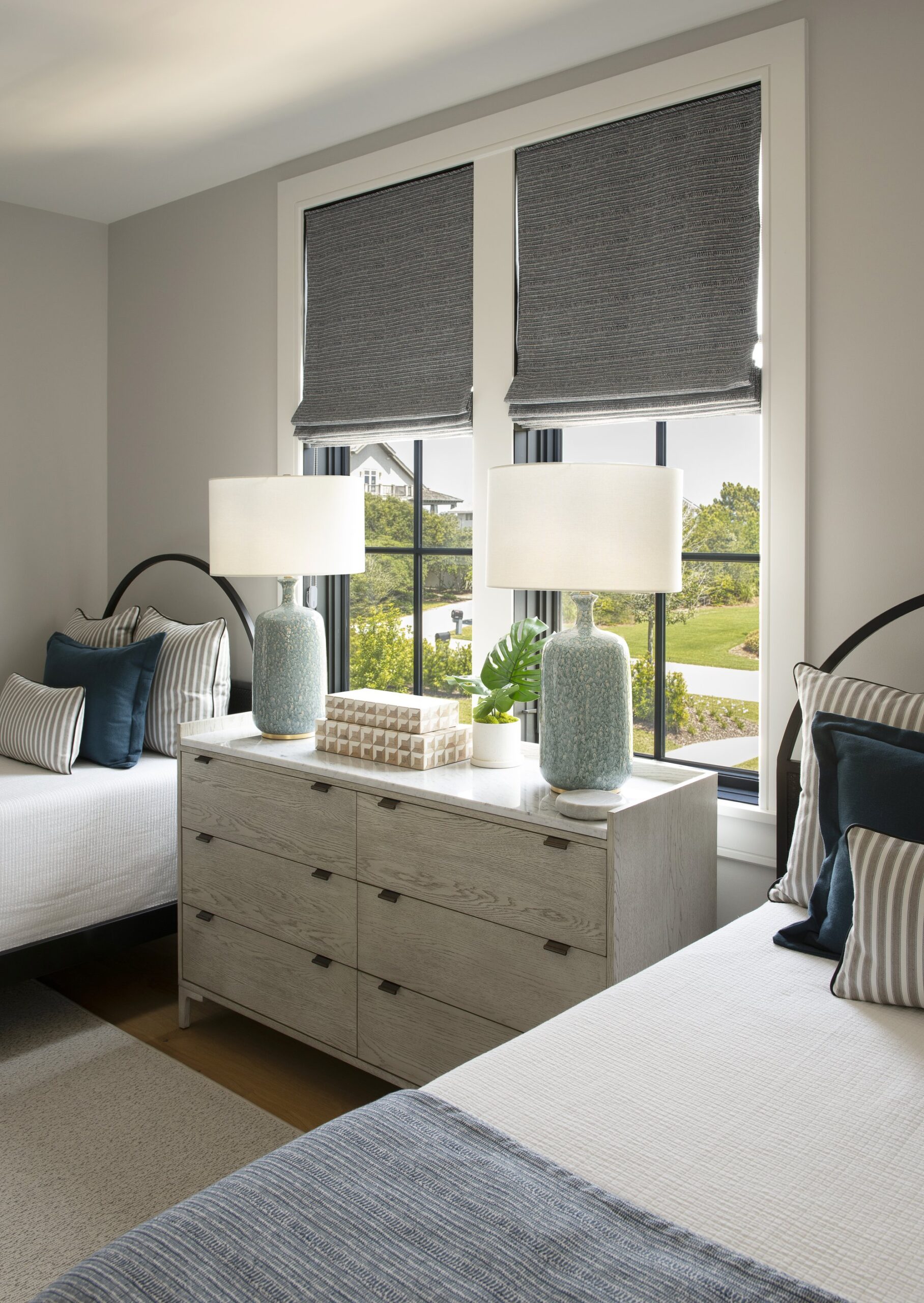
Homes designed for frequent visitors require thoughtful planning from the beginning. Layout, privacy, and circulation all influence how welcoming a home feels. Small design decisions often shape the guest experience more than square footage alone. Many custom home builders now include guest-friendly features during the early design phase. These features improve flexibility and help homes support changing household needs. They also make entertaining easier throughout the year.
Guest-friendly homes are especially useful for households that host relatives regularly. Comfortable spaces help visitors feel relaxed without disrupting daily routines. Well-planned layouts also improve long-term functionality for homeowners themselves.
How Custom Home Builders Create Better Guest Layouts
A guest-friendly home begins with strong layout planning. Room placement affects comfort, privacy, and overall functionality throughout the house. Poor circulation can make even large homes feel crowded during visits.
Many custom home builders position guest bedrooms away from primary living spaces. This separation creates quieter sleeping areas for overnight visitors. It also gives guests a greater sense of independence during extended stays.
Shared spaces require thoughtful flow as well. Kitchens, dining areas, and living rooms should connect naturally without creating bottlenecks. Open layouts often support conversation and movement more effectively.
Bathroom access is another important consideration. Guests should not constantly cross through private household spaces during their stay. Convenient circulation improves comfort for both visitors and homeowners.

Guest Suites Designed Around Comfort and Privacy
Dedicated guest suites have become increasingly common in modern homes. These spaces help visitors feel comfortable while maintaining household privacy. They also improve flexibility for long-term use.
Many guest suites include private bathrooms and built-in storage. Some layouts also incorporate seating areas or small beverage stations. These additions improve convenience without requiring excessive square footage.
Ground-floor placement remains a popular design choice for guest accommodations. Main-level suites improve accessibility for older relatives and visiting family members. They also separate guest activity from upstairs bedrooms.
Sound control also affects comfort significantly. Solid-core doors, insulation, and thoughtful wall placement reduce noise transfer between rooms. These details improve sleep quality and overall guest experience.
Flexible Spaces That Support Frequent Visitors
Modern homes often include rooms designed for multiple functions. Flexible spaces allow homeowners to accommodate guests without sacrificing daily usability. This approach improves efficiency across the entire layout.
Home offices frequently double as guest rooms when needed. Bonus rooms and loft spaces can also provide temporary accommodations during larger gatherings. Flexible planning helps homes adapt over time.
Storage plays a major role in keeping these spaces functional. Built-in cabinetry and closet systems reduce clutter during extended visits. Organized spaces feel more comfortable and easier to maintain.
Custom home builders often plan these rooms with future needs in mind. A guest room today may later serve as an office or aging-in-place suite. Adaptable layouts improve long-term value and usability.
Outdoor Areas That Encourage Gathering
Outdoor living spaces are important in guest-friendly home design. They expand entertaining areas and reduce pressure on interior rooms. Well-designed exterior spaces also improve overall circulation during gatherings.
Covered patios remain one of the most requested outdoor features. These spaces provide shade and weather protection throughout changing seasons. Outdoor kitchens and dining areas also support larger social gatherings comfortably.
Furniture layout matters outdoors as much as indoors. Flexible seating arrangements allow spaces to adapt for both casual visits and larger events. Comfortable outdoor zones encourage guests to spend more time together.
Connections between interior and exterior spaces should feel natural. Large openings and transitional areas improve movement throughout the property. These design choices create more relaxed and welcoming environments.
Small Design Features That Improve Hospitality
Guest comfort often depends on small details throughout the home. Lighting, furniture placement, and material selection all affect how welcoming spaces feel. These elements influence comfort more than many homeowners realize.
Natural light helps guest spaces feel open and inviting. Large windows and layered lighting create more balanced environments throughout the day. Soft, neutral palettes also contribute to a calmer atmosphere.

Functional furniture improves convenience during overnight stays. Bedside storage, charging access, and comfortable seating make spaces easier to use. Guests appreciate thoughtful details that support everyday comfort.
Durable finishes are equally important in frequently used spaces. Materials should remain easy to clean and maintain over time. Long-lasting finishes help homes stay polished through repeated visits.
Custom Home Builders Who Design Homes That Welcome Guests Naturally
Guest-friendly homes rely on thoughtful planning and balanced design decisions. Layout, privacy, and flexibility all shape how comfortable a home feels during visits. These features also improve daily functionality for homeowners.
Homes designed around hospitality often adapt better to changing needs over time. Flexible spaces, comfortable guest suites, and strong circulation improve long-term livability. These features also support future resale appeal.
Custom home builders play an important role in balancing comfort with practicality. Thoughtful planning helps homes remain functional without feeling oversized or inefficient. Well-designed guest spaces support both entertaining and everyday life.
At Konrady & Son Construction, we design and build custom homes around how people truly live and gather. Whether we are creating custom guest suites, flexible living spaces, or full-home renovations, our team focuses on comfort, functionality, and long-term value.
Ready to build the home of your dreams? Get in touch today.