Renovating Bathrooms for Better Function and Storage
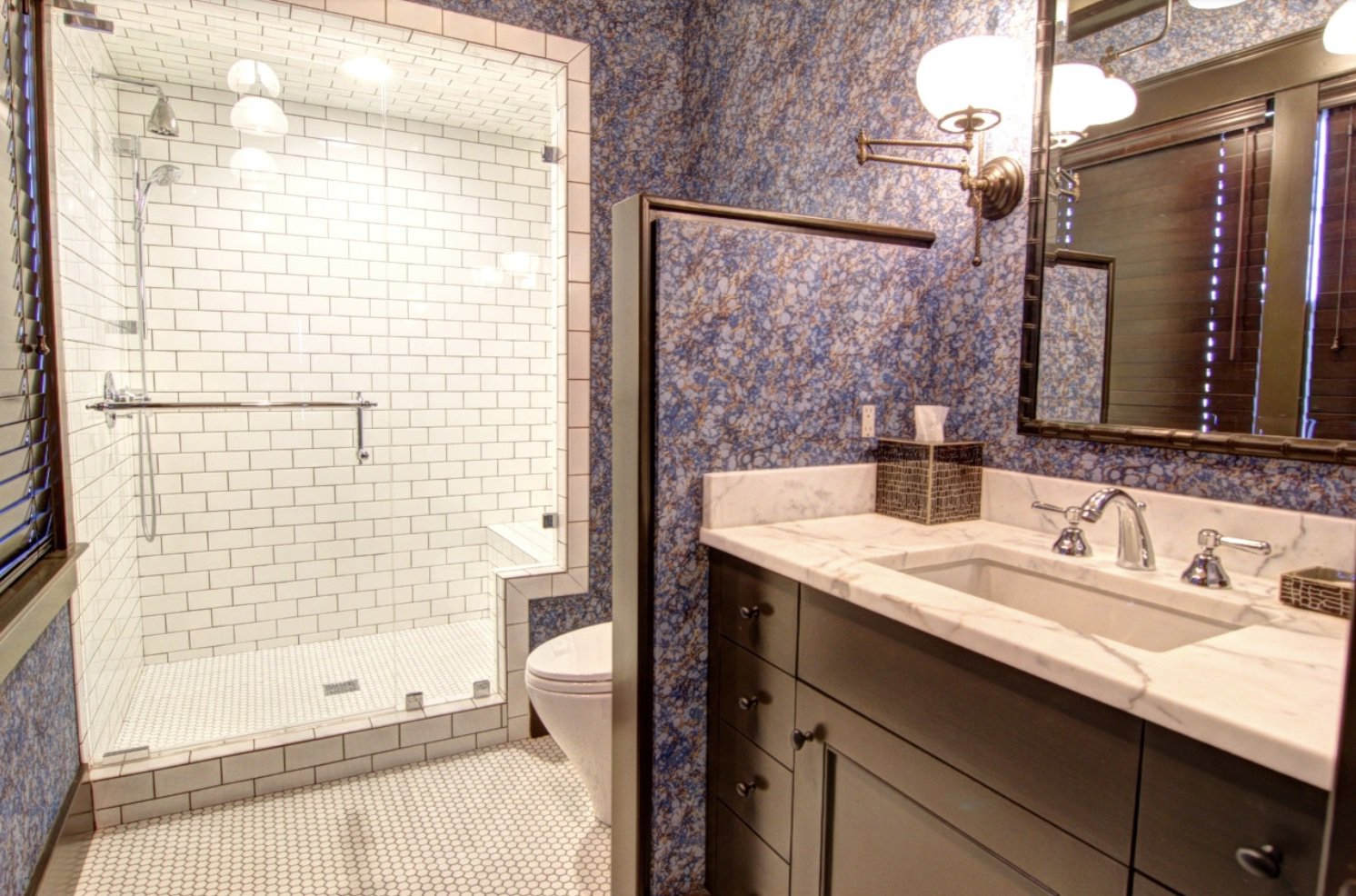
Bathroom renovations often focus heavily on appearance, but functionality matters just as much during the planning process. Layout, storage, lighting, and circulation all influence how comfortable and efficient the space feels each day. For homeowners renovating bathrooms, improving organization and usability often becomes a top priority. Older bathrooms frequently lack adequate storage, efficient layouts, and modern features that support everyday routines comfortably.
Limited counter space, poor lighting, and crowded layouts can make bathrooms feel smaller than they actually are. Thoughtful renovation planning helps address these issues while improving long-term convenience and visual appeal.
This article explores renovation ideas that improve bathroom function and storage. It also highlights practical design choices that help bathrooms remain organized, efficient, and easier to maintain over time.
Renovating Bathrooms With Better Layout Planning
Bathroom layout has a major impact on functionality. Poor spacing can make even larger bathrooms feel restrictive and uncomfortable during daily use. Many older bathrooms were designed around smaller fixtures and different storage needs. Modern renovations often reconfigure layouts to improve circulation and create more usable space.
Relocating vanities, expanding shower areas, or adjusting door placement can dramatically improve movement throughout the room. These changes often create a more open and efficient layout without increasing square footage.
Storage planning should begin during the layout phase. Built-in niches, recessed shelving, and vanity placement all affect how well the bathroom supports everyday organization.

Storage Solutions That Improve Bathroom Organization
Storage remains one of the biggest concerns during bathroom renovations. Cluttered countertops and overcrowded cabinets often reduce both functionality and visual appeal.
Custom vanities help maximize available storage space more effectively than standard cabinetry. Drawer organization systems, vertical storage, and built-in compartments improve accessibility throughout the bathroom.
Recessed medicine cabinets provide another efficient storage option. These cabinets create additional organization without extending outward into valuable circulation space.
Open shelving can also support functionality when used carefully. Towels, baskets, and frequently used items remain accessible while helping the room feel lighter and less enclosed.
Renovating Bathrooms With More Efficient Showers and Tubs
Showers and tubs strongly influence how bathrooms function each day. Older configurations often waste space or limit usability within the room. Walk-in showers have become increasingly popular in modern renovations. Frameless glass enclosures improve sightlines and make bathrooms feel larger and more open.
Built-in shower niches improve storage while reducing clutter from hanging shelves or corner baskets. These features keep everyday items organized without disrupting the overall design. Freestanding tubs are also common in larger bathroom renovations. However, space planning remains important to maintain circulation and prevent overcrowding around fixtures.
Lighting Upgrades During Bathroom Renovations
Lighting significantly affects both comfort and functionality inside bathrooms. Poor lighting often creates shadows and reduces visibility around mirrors and work areas. Layered lighting improves usability throughout the room. Combining overhead fixtures, vanity lighting, and accent lighting creates a more balanced environment for daily routines.
Natural light also improves bathroom comfort. Enlarged windows, skylights, and frosted glass features increase brightness while maintaining privacy. Lighting placement matters as much as fixture selection. Proper positioning reduces glare and improves visibility around sinks, mirrors, and showers.
Material Choices That Support Easier Maintenance
Bathroom materials should balance durability with visual appeal. Moisture exposure makes surface selection especially important during renovation planning. Large-format tiles remain popular because they reduce grout lines and simplify cleaning. Durable surfaces also help bathrooms maintain a cleaner appearance over time.
Quartz countertops provide strong moisture resistance and low maintenance requirements. These surfaces perform well in bathrooms while supporting modern or traditional design styles.
Cabinet finishes also affect long-term durability. Moisture-resistant materials and quality hardware help prevent swelling, peeling, and premature wear in humid environments.

Small Bathroom Renovations That Maximize Space
Smaller bathrooms require especially careful planning during renovations. Efficient layouts and smart storage solutions help compact spaces feel more functional. Floating vanities improve visual openness by exposing more floor area beneath cabinetry. This approach helps smaller bathrooms feel less crowded and easier to navigate.
Pocket doors can also improve circulation in tight spaces. Traditional swinging doors often consume valuable floor space inside smaller bathrooms. Mirrors and reflective materials support visual expansion as well. Strategic lighting and lighter finishes help compact bathrooms feel brighter and more open.
Renovating Bathrooms for Long-Term Functionality
Bathroom renovations work best when they balance storage, comfort, and efficient design. Thoughtful layouts and organized storage solutions improve how these spaces function every day.
Features such as custom vanities, walk-in showers, and layered lighting help bathrooms remain practical while supporting long-term visual appeal. Material choices also influence maintenance requirements and durability over time.
Renovating bathrooms with functionality in mind often improves both daily convenience and overall home value. Careful planning helps create spaces that remain comfortable and organized for years.
At Konrady & Son Construction, we approach bathroom renovations with careful attention to function, storage, and long-term usability. Whether we are updating outdated layouts or creating custom spaces from the ground up, our team focuses on craftsmanship, efficiency, and thoughtful design.
Let us build the home of your dreams. Get in touch with us today.