The Benefits of a Custom Home Build with Long-Term Maintenance in Mind
Building a home involves decisions that affect comfort, functionality, and maintenance for decades. Early planning choices often shape how efficiently a home performs long after construction ends. A custom home build allows homeowners to design spaces around long-term needs rather than temporary trends. Layouts, materials, storage, and mechanical systems can all be selected with durability and maintenance in mind.
Many production homes prioritize speed and standardization during construction. Custom homes provide greater flexibility for planning efficient systems and reducing future maintenance demands.
This article explores the long-term advantages of a custom home build designed around durability and upkeep. It also highlights design strategies that improve comfort, efficiency, and long-term property performance.
Why a Custom Home Improves Long-Term Planning
Custom homes provide greater control over design decisions from the earliest stages of planning. This flexibility allows homeowners to prioritize functionality and maintenance alongside aesthetics.
Site orientation, drainage, and material exposure can all be evaluated before construction begins. These considerations help reduce long-term wear caused by moisture, sunlight, and changing weather conditions.
Storage planning also becomes more intentional in custom homes. Built-in organization systems and utility spaces improve efficiency while reducing clutter throughout the property.
Mechanical systems benefit from early coordination as well. HVAC placement, plumbing access, and electrical layouts can all support easier maintenance over time.
Material Selection in a Custom Home Build
Material choices strongly influence long-term durability and maintenance requirements. Custom construction allows homeowners to select finishes suited for their environment and lifestyle.
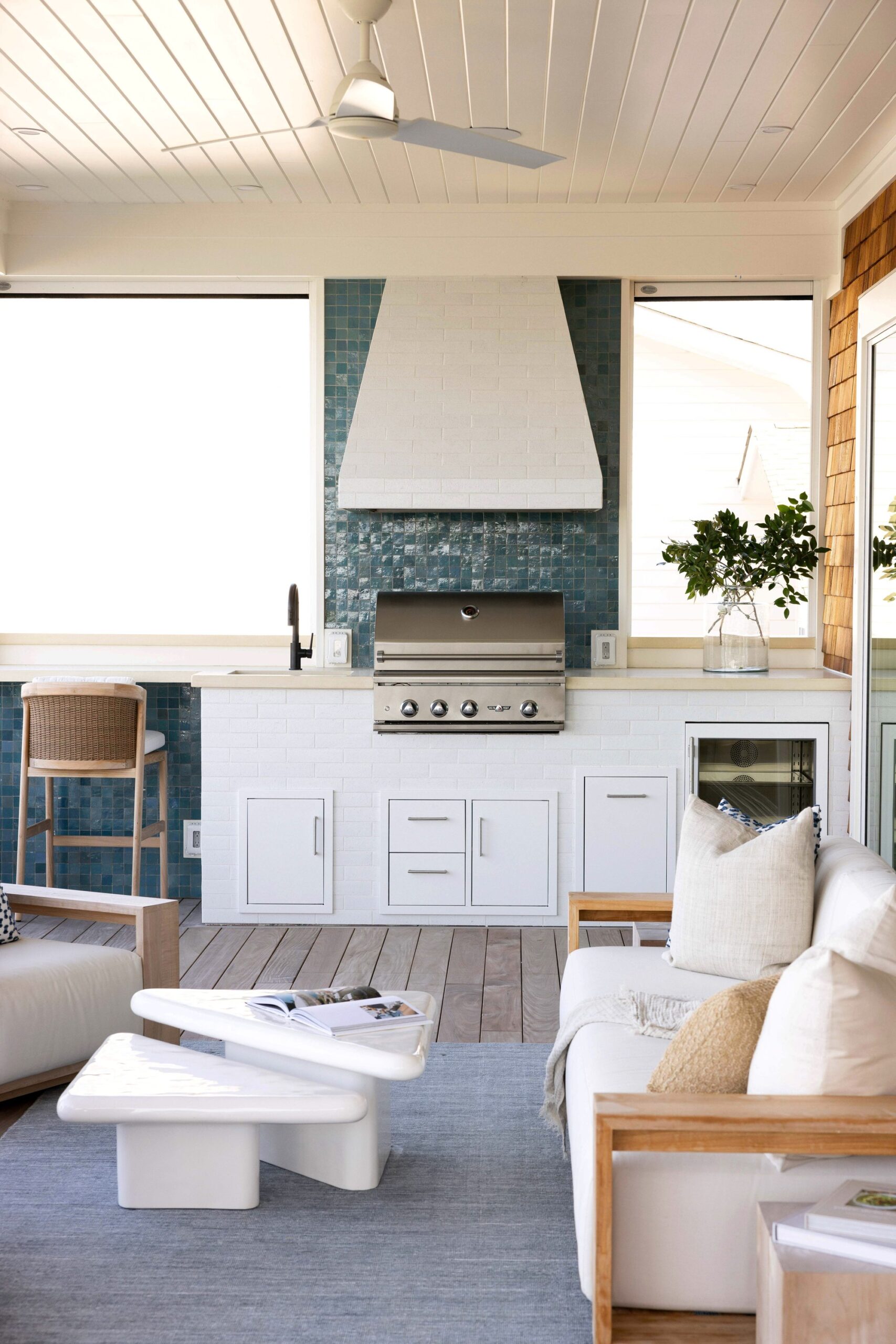
Exterior materials should withstand local weather conditions without excessive upkeep. Coastal homes, for example, benefit from moisture-resistant finishes and corrosion-resistant hardware.

Interior materials also affect maintenance demands over time. Durable flooring, quality cabinetry, and stain-resistant surfaces help reduce repair and replacement costs later.
Roofing systems deserve careful attention as well. Long-lasting roofing materials often provide better long-term value despite higher upfront investment during construction.
Designing a Custom Home Build for Easier Maintenance
Maintenance-friendly design starts with accessibility and thoughtful planning. Homes should allow safe access to important systems without disruptive future renovations.
Mechanical equipment placement affects maintenance efficiency significantly. HVAC units, plumbing shutoffs, and electrical panels should remain accessible for inspections and repairs.
Exterior maintenance also improves with proper design decisions. Roof slopes, gutter placement, and drainage systems all help manage water more effectively around the structure.
Simplified landscaping can reduce long-term maintenance requirements as well. Native plants and efficient irrigation systems often require less upkeep over time.
Energy Efficiency Benefits in a Custom Home Build
Energy efficiency remains one of the biggest advantages of custom construction. Homes designed around efficiency often perform better while reducing operating costs long term.
Insulation planning plays an important role in indoor comfort. Proper insulation helps stabilize indoor temperatures and reduces strain on heating and cooling systems.
Window placement also affects energy performance significantly. Natural light can improve comfort while reducing daytime lighting demands throughout the home.
Modern HVAC systems and ventilation planning improve efficiency further. Well-designed airflow systems help maintain healthier and more comfortable indoor environments year-round.
Storage and Organization in a Custom Home
Storage planning influences how functional a home feels during everyday use. Custom layouts allow homeowners to create organization systems tailored to their routines.
Mudrooms, walk-in pantries, and built-in cabinetry improve efficiency throughout busy living spaces. These features help reduce clutter while supporting long-term organization.
Garage storage planning also improves usability. Dedicated equipment zones and integrated shelving systems help maintain cleaner and more functional spaces.
Bedroom and bathroom storage deserve equal attention during planning. Well-designed closets and cabinetry improve convenience without increasing unnecessary square footage.
How a Custom Home Build Supports Future Flexibility
Homes often need to adapt as household needs change over time. Custom layouts can support future flexibility more effectively than standardized floor plans.
Flexible rooms may serve different purposes throughout the life of the home. Offices, guest rooms, or bonus spaces can evolve without requiring major structural renovations later.

Aging-in-place features are also easier to incorporate during initial construction. Wider hallways, accessible bathrooms, and main-level living arrangements improve long-term functionality.
Technology planning matters as well. Electrical infrastructure and smart home systems can be integrated early for easier future upgrades and adaptability.
Building Homes Designed for Long-Term Living
Custom homes provide opportunities to plan for comfort, durability, and maintenance from the beginning. Thoughtful design decisions often reduce long-term costs while improving everyday functionality.
Material selection, storage planning, energy efficiency, and system accessibility all influence how well homes perform over time. Early coordination helps these features work together more effectively.
A custom home built around long-term maintenance often delivers stronger value for years after construction ends. Homes planned carefully tend to remain more comfortable, adaptable, and efficient throughout changing needs.
At Konrady & Son Construction, we build homes with long-term performance and livability in mind. Whether we are creating a custom home build or renovating existing spaces, our team focuses on thoughtful planning, durable construction, and functional design.
Ready to build the home of your dreams? Contact us today.