The Importance of Waterproofing in Coastal Construction
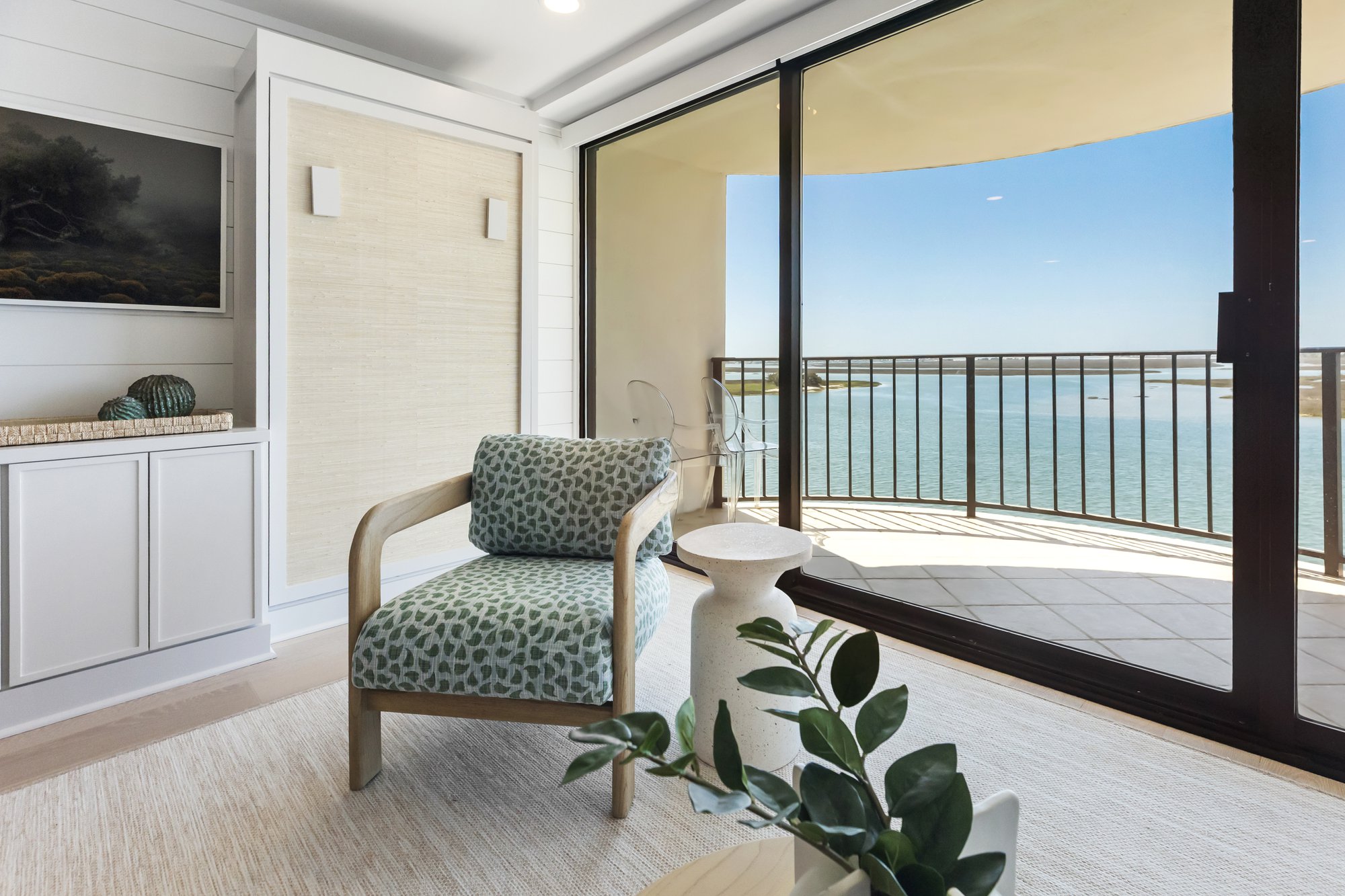
Water is both the defining appeal and the greatest threat of coastal living. The same proximity to the ocean, sound, or marsh that makes a coastal property desirable also subjects it to moisture exposure that inland homes never face. Waterproofing in coastal construction is not an optional upgrade but a foundational requirement that protects the structural integrity, interior finishes, and long-term value of the home. Homeowners who treat it as an afterthought consistently face consequences that are far more expensive than the cost of doing it right the first time.
What Makes Coastal Construction Uniquely Vulnerable to Water Damage
Coastal homes face moisture threats from multiple directions simultaneously. Rain-driven wind forces water horizontally against wall assemblies, window frames, and door systems with far greater pressure than standard vertical rainfall.
Salt air accelerates corrosion in metal fasteners, flashing, and structural connectors. Humidity levels near the coast remain elevated for much of the year, creating conditions where moisture can accumulate inside wall cavities and framing systems without any visible leak present.
Flooding from storm surge and heavy rainfall adds hydrostatic pressure against foundations and below-grade assemblies. Each of these forces requires a specific waterproofing response, and an effective system addresses all of them in a coordinated way.
The Role of the Building Envelope in Coastal Waterproofing
The building envelope is the system of components that separates the conditioned interior of a home from the exterior environment. In coastal construction, every element of that envelope must be treated as a potential moisture entry point.

The roof, wall assemblies, window and door openings, penetrations for mechanical systems, and the foundation all require waterproofing details that work together as an integrated system. A weak detail in any one location can allow water to enter and migrate through the structure in ways that are difficult to trace and expensive to repair.
The most effective coastal waterproofing strategies address the entire envelope during construction, when every layer is accessible, and details can be verified before being covered by finish materials.
Why Waterproofing Costs More After Construction
The cost difference between waterproofing during construction and waterproofing after the fact is significant. During construction, waterproofing membranes, weather-resistant barriers, flashing systems, and sealants are applied as each layer of the building assembly is installed. The work is straightforward, accessible, and relatively low in cost relative to the total project budget.
After construction, correcting inadequate waterproofing requires removing finish materials to access the underlying assemblies. Exterior cladding, interior drywall, flooring, and trim must all be removed, the deficiency corrected, and the finishes reinstalled.
Water intrusion remediation in completed homes costs an average of three to five times more than the original waterproofing work would have cost during construction. In coastal homes where moisture damage can spread quickly through framing and insulation, those costs climb even higher.
What Happens When Coastal Construction Skips Proper Waterproofing
The consequences of inadequate waterproofing in coastal construction follow a predictable and damaging progression. Initial water intrusion is often invisible. Moisture enters through a failed window flashing, an improperly detailed wall penetration, or a compromised roof-to-wall connection and begins accumulating inside the building assembly.
Over time, that moisture feeds mold growth, degrades insulation performance, and begins to rot wood framing. By the time visible signs appear, such as staining on interior walls, peeling paint, or musty odors, the damage inside the assembly is typically already extensive.
The Environmental Protection Agency (EPA) notes that mold can begin colonizing wet building materials within 24 to 48 hours of moisture exposure. Structural repairs to rotted framing, combined with mold remediation and finish replacement, routinely run into tens of thousands of dollars on coastal properties.
Key Waterproofing Systems in Coastal Construction
Effective waterproofing in coastal construction involves several distinct systems working in coordination. The weather-resistant barrier, typically a housewrap or building paper installed behind exterior cladding, is the primary defense against wind-driven rain infiltrating wall cavities.
Flashing at all window and door openings, roof penetrations, and wall-to-roof intersections directs water out of the assembly before it can migrate inward. Below-grade waterproofing membranes protect foundation walls from hydrostatic pressure in flood-prone or high-water-table areas.
Sealants at all penetrations for plumbing, electrical, and HVAC systems close off paths that water would otherwise exploit. Each of these systems must be installed in the correct sequence and with the correct materials to perform as designed over the life of the home.
Window and Door Waterproofing in Coastal Homes
Windows and doors are the most common points of water entry in coastal homes. The opening created in the wall framing to receive a window or door unit is inherently vulnerable if not properly protected. Pan flashing at the sill, integrated flashing at the head, and continuous sealant at the jambs create a drainage plane that directs water away from the rough opening and out of the wall assembly.

In high-wind coastal environments, standard window installation practices are insufficient. Coastal construction requires extended sill pans, fully adhered membrane flashing, and sealant applications that account for the movement and pressure differentials created during storm events. These details add minimal cost during new construction and are extremely difficult to retrofit correctly after the home is finished.
Roofing and Waterproofing in Coastal Construction
The roof is the single largest surface area exposed to moisture in any home, and in coastal construction it faces extraordinary demands. Self-adhering underlayment applied beneath roofing materials provides a secondary waterproofing layer that performs even if primary roofing materials are damaged during a storm.
Proper flashing at all roof penetrations, valleys, and transitions prevents water from finding a path into the structure at these vulnerable points. Drip edge installation at eaves and rakes directs water off the roof deck and away from fascia and soffit assemblies.
In coastal North Carolina, the combination of hurricane-force winds and heavy rainfall creates conditions where even minor roofing deficiencies result in significant interior water damage within hours.
Protecting Your Investment from the Ground Up
Waterproofing decisions made during construction determine how a coastal home performs over decades of exposure to the elements. The cost of getting it right during the build is a fraction of the cost of correcting it afterward, and the protection it provides to the structure, the finishes, and the health of the occupants is incalculable.
At Konrady & Son Construction, we approach every custom home build and renovation in Wilmington, NC, with a rigorous focus on building envelope performance. Our team specifies and installs waterproofing systems that meet coastal construction demands, from foundation to ridge line.
We are on site every day to verify that details are executed correctly before each layer of the assembly is closed in. When we build a home, we build it to last against everything the Carolina coast can deliver. Send us a message today.