Understanding Structural Reinforcements in Coastal Construction
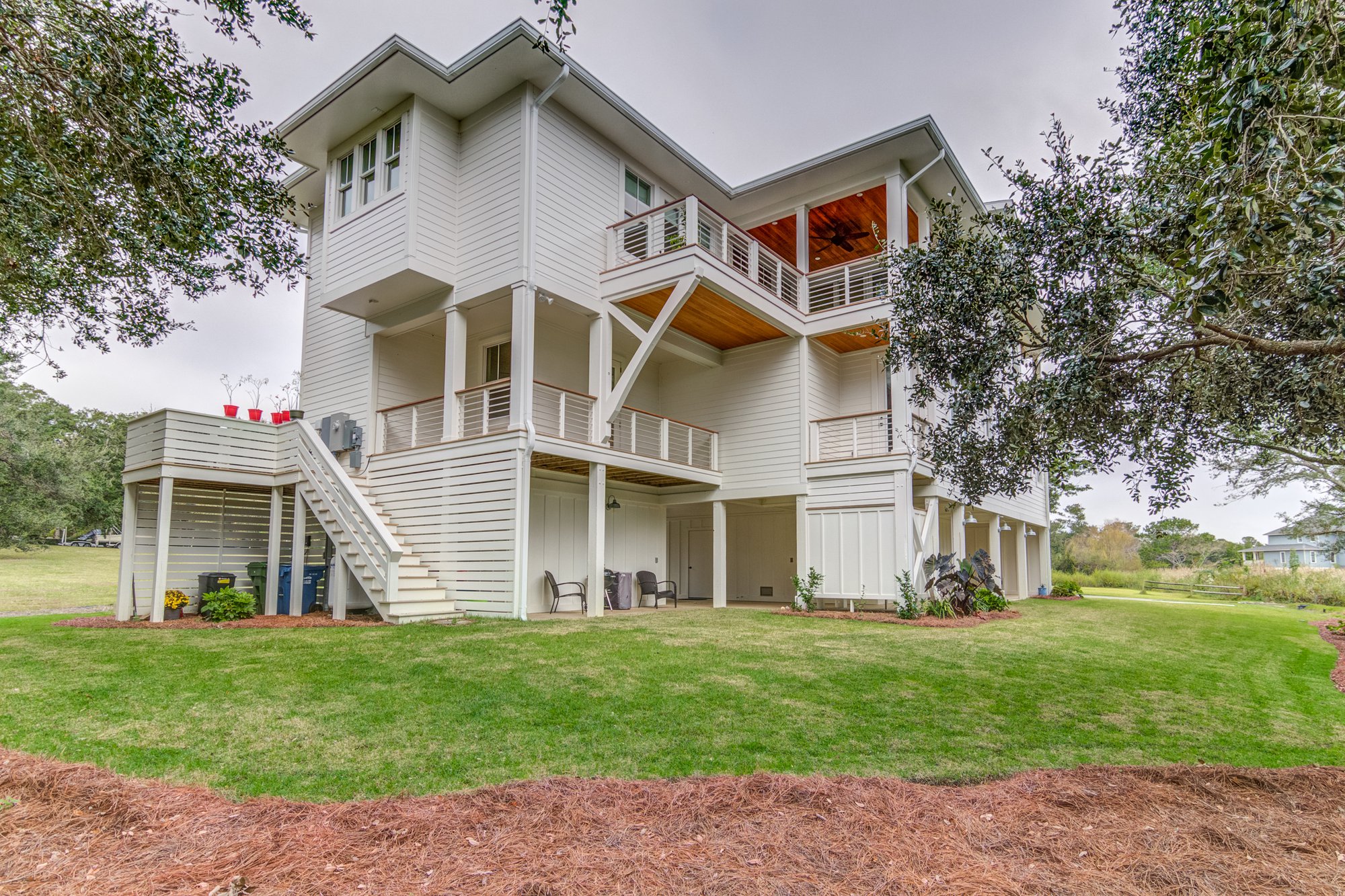
Homes near the coast face a level of environmental stress that inland properties rarely encounter. High winds, storm surge, and constant moisture all place extra demands on a structure. Coastal construction requires specific reinforcements to withstand these conditions over time.
Building codes in coastal regions reflect these realities with stricter requirements than inland areas. Meeting these standards protects both the home and the people living inside it. Knowing what these reinforcements involve helps homeowners understand the value behind the details.
Insurance considerations often follow closely behind structural decisions in coastal areas. Homes built to withstand higher wind speeds and flood risks frequently qualify for lower premiums. This connection makes structural reinforcement both a safety measure and a financial one.
Why Coastal Construction Demands Extra Structural Planning
Wind loads near the coast can reach speeds far beyond what standard construction typically addresses. Hurricanes and tropical storms bring sustained winds capable of damaging poorly reinforced structures. Building codes account for these risks through specific engineering requirements.
Moisture exposure adds another layer of complexity to coastal building projects. Constant humidity accelerates wear on materials that aren't properly protected. Salt air also speeds up corrosion in metal components used throughout a structure.
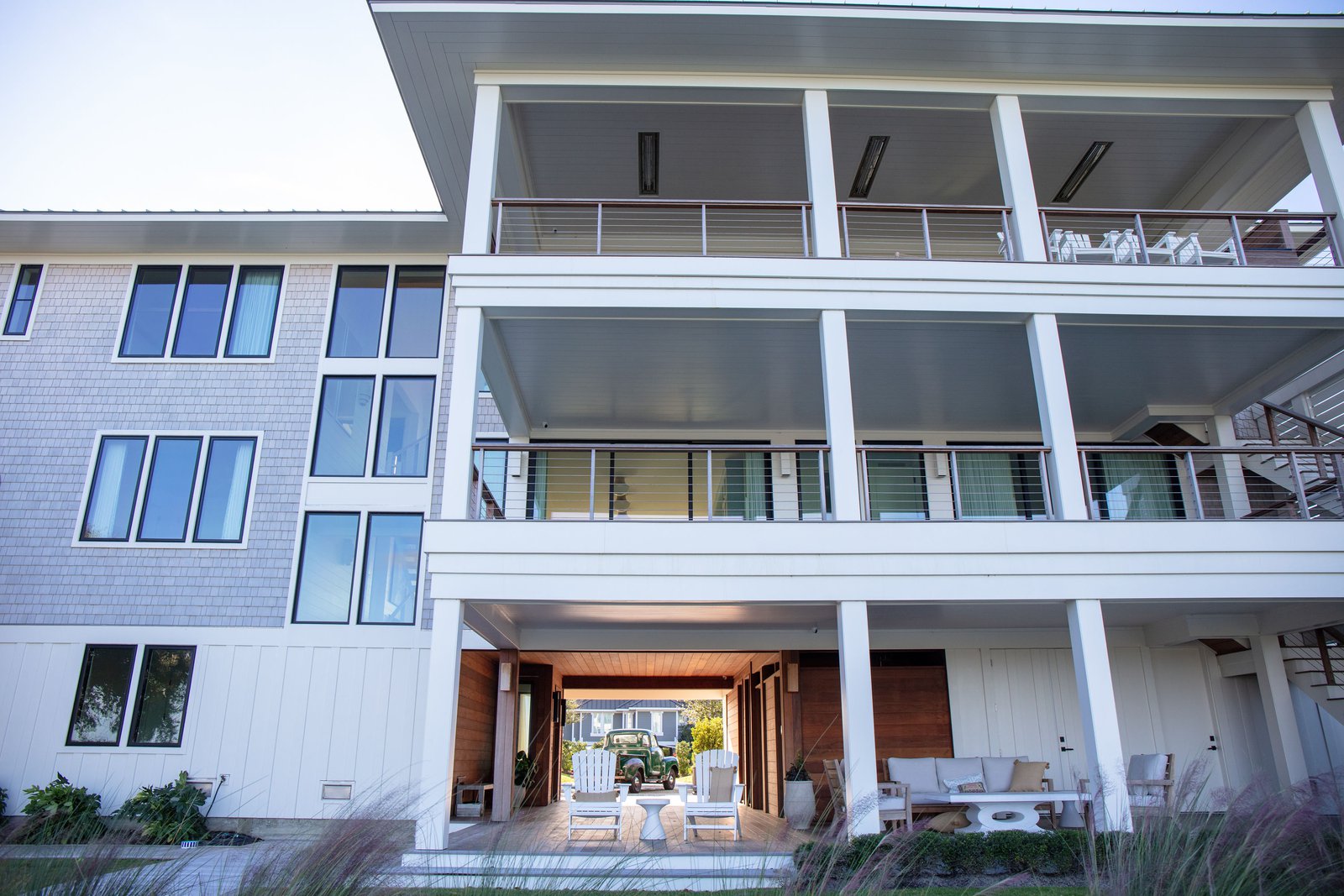
Combining wind resistance with moisture protection requires careful planning from the earliest design stages. Retrofitting these features into an already-built home costs significantly more than incorporating them from the start. This makes early planning one of the most valuable steps in coastal projects.
Wind Resistance and Roof-to-Foundation Connections
A home's ability to withstand high winds depends heavily on how well its components connect to each other. Hurricane straps and clips secure the roof structure to the walls below. These metal connectors prevent roofs from lifting during extreme wind events.
Continuous load paths extend this concept throughout the entire structure. Every connection, from roof to walls to foundation, needs to transfer wind forces safely downward. A weak link anywhere in this chain can compromise the whole system.
Roof shape also influences wind performance significantly. Hip roofs generally perform better than gable roofs during high wind events. Builders in coastal areas often recommend this style specifically for its improved wind resistance.
Bracing at gable ends adds further protection when that roof style is preferred for other reasons. Additional framing members distribute wind pressure more evenly across the structure. This detail is often overlooked in standard construction but matters significantly along the coast.
Elevated Foundations for Flood and Storm Surge Protection
Flood risk plays a major role in foundation design for coastal properties. Elevated foundations raise a home's living space above expected flood levels. This design choice protects both the structure and its contents during storm surge events.
Pilings and pier foundations are common choices in flood-prone coastal areas. These systems allow water to pass beneath a home rather than pooling against it. Proper engineering ensures these foundations can also withstand wind and seismic forces.
Local flood zone maps determine specific elevation requirements for new construction. Builders must factor these requirements into early planning stages. Meeting or exceeding these standards often qualifies homeowners for reduced flood insurance premiums.
Breakaway walls sometimes accompany elevated foundations in high-risk flood zones. These walls are designed to give way under floodwater pressure without damaging the main structure above. This approach protects the home's structural integrity even during severe flooding events.
Moisture-Resistant Materials in Coastal Construction
Material selection plays a critical role in how well a home withstands coastal humidity. Pressure-treated lumber resists rot and insect damage better than standard framing materials. This makes it a common choice for structural components exposed to moisture.
Stainless steel or hot-dipped galvanized fasteners resist corrosion far better than standard hardware. Salt air accelerates rust on unprotected metal, weakening structural connections over time. Choosing corrosion-resistant fasteners protects these critical connection points for decades.
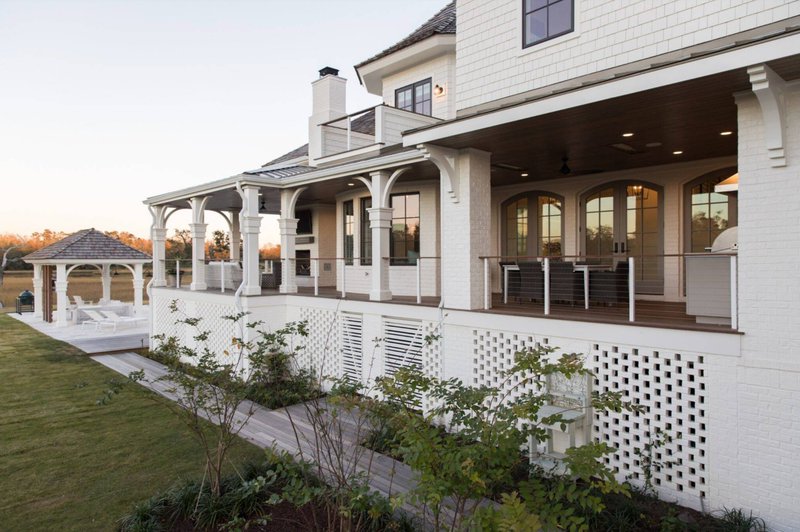
Vapor barriers and proper flashing further protect structural elements from moisture intrusion. These details work alongside material choices to keep water away from vulnerable framing components. Skipping these steps can lead to hidden damage long before visible signs appear.
Reinforced Framing and Impact-Resistant Windows
Wall framing in coastal homes often includes additional reinforcement beyond standard requirements. Shear walls add lateral strength, helping structures resist the sideways forces created by high winds. This reinforcement works alongside proper connections to keep the entire structure stable.
Impact-resistant windows provide another essential layer of protection during storms. These windows withstand flying debris that could otherwise shatter standard glass. Once compromised, a broken window can allow wind to enter and cause significant structural damage.
Garage doors also deserve attention in coastal construction planning. Standard garage doors often fail under wind pressure, creating a vulnerable entry point. Reinforced doors rated for coastal wind speeds close this gap effectively.
Coastal Construction Built to Last in Wilmington
Structural reinforcement plays an essential role in protecting coastal homes from wind, flooding, and moisture damage. Strong connections, elevated foundations, resistant materials, and reinforced framing all work together toward this goal. These details determine how well a home performs during severe weather events.
At Konrady & Son Construction, we build with these coastal challenges in mind on every project. Our team brings four generations of experience to custom home builds and renovations throughout Wilmington, NC. We understand the specific reinforcements needed to keep homes safe and durable near the coast.
Build the home of your dreams with a team that builds for real coastal conditions. Send us a message today and let’s start planning your project.