The Benefits of Durable Trim and Exterior Finishes in Coastal Homes
Trim and exterior finishes often get overlooked compared to siding or roofing choices. However, coastal homes rely on these details just as much for long-term protection. Durable trim resists the specific stresses of salt air and humidity.
Window casings, fascia boards, soffits, and corner trim all face constant exposure to the elements. Choosing the right materials prevents costly deterioration over time. The benefits below explain why durable trim deserves consideration during any coastal build or renovation.
Why Coastal Homes Need Durable Trim and Finishes
Standard wood trim performs poorly in humid, salt-heavy coastal environments without significant maintenance. Moisture easily penetrates unprotected wood, leading to swelling, cracking, and eventual rot. This deterioration often starts subtly before becoming visible.
Modern trim materials address these vulnerabilities through improved composition and manufacturing. Composite and PVC trim products resist moisture absorption far better than traditional wood. These materials maintain their appearance and structural integrity much longer under coastal conditions.
Some of the advantages include:
1) Resist Moisture Damage and Wood Rot
Humidity levels near the coast stay consistently higher than most inland regions. Wood trim exposed to this moisture absorbs water gradually, even with regular painting and sealing. Over time, this absorption leads to swelling, warping, and structural failure.
Composite and PVC trim materials eliminate this vulnerability almost entirely. These products don't absorb moisture the way natural wood does, preventing the rot cycle from beginning. This resistance significantly extends the lifespan of trim around windows, doors, and rooflines.
Reduced rot risk also protects structural elements hidden behind exterior trim. Moisture that penetrates deteriorating trim can eventually damage framing and sheathing underneath. Durable trim acts as a reliable barrier that keeps this moisture outside the home.
2) Withstand Salt Air Without Corroding
Salt air affects more than just metal components on a coastal home. It also accelerates the breakdown of certain paints, sealants, and lower-quality trim materials. Homes near the water often show faster exterior wear than those built further inland.
High-quality trim materials resist this corrosive effect through their chemical composition. Many composite products include additives designed specifically to resist salt exposure. This resistance helps the trim look fresh without constant touch-ups.
Fasteners used to install trim deserve equal consideration here. Stainless steel or coated fasteners prevent the rust streaking that often appears on lower-quality installations. This detail protects both the trim and the surrounding finishes.
3) Trim That Helps Coastal Homes Resist Wind Damage
Strong coastal winds constantly stress exterior trim, especially around windows and rooflines. Poorly secured or brittle trim can crack, loosen, or detach during severe weather. This damage often exposes underlying structures to further moisture intrusion.
Impact-resistant trim materials hold up significantly better under these wind conditions. Their flexibility and strength allow them to withstand pressure that would crack traditional wood trim. This durability reduces storm-related repair costs considerably over time.
Proper installation techniques further reinforce this wind resistance. Secure fastening patterns and appropriate spacing prevent trim from becoming a vulnerability during high winds. Combining quality materials with correct installation maximizes protection for coastal homes.
4) Reduce Long-Term Maintenance and Repainting
Wood trim typically requires repainting every few years to maintain appearance and protection. This maintenance cycle becomes more frequent in coastal climates due to constant moisture exposure. Homeowners often underestimate how much time and cost this upkeep requires.
Durable trim materials dramatically reduce this maintenance burden. Many composite and PVC products come factory-finished with colors that resist fading for decades. This reduces or even eliminates the need for regular repainting altogether.
Lower maintenance requirements translate directly into long-term savings. Fewer repainting cycles mean reduced labor and material costs over a home's lifetime. This benefit alone often justifies the higher upfront investment in quality trim.
5) Improve Energy Efficiency Around Openings
Trim around windows and doors plays a role in a home's overall energy performance. Poorly sealed or deteriorating trim can create gaps that allow air infiltration. This infiltration increases heating and cooling costs while reducing indoor comfort.
Quality trim materials maintain tighter seals around openings for longer periods. Their resistance to warping and shrinking keeps installation gaps from widening. This stability supports steady energy performance over time.
Proper installation further enhances this benefit by ensuring trim fits securely from the start. Combining durable materials with careful installation creates an effective barrier against air leakage. This improvement supports both comfort and lower utility costs.
6) Support Curb Appeal in Coastal Homes for Years to Come
Exterior trim significantly influences a home's overall visual appeal. Crisp, well-maintained trim highlights architectural details and creates a polished look. By contrast, deteriorating trim can make a well-built home look neglected.
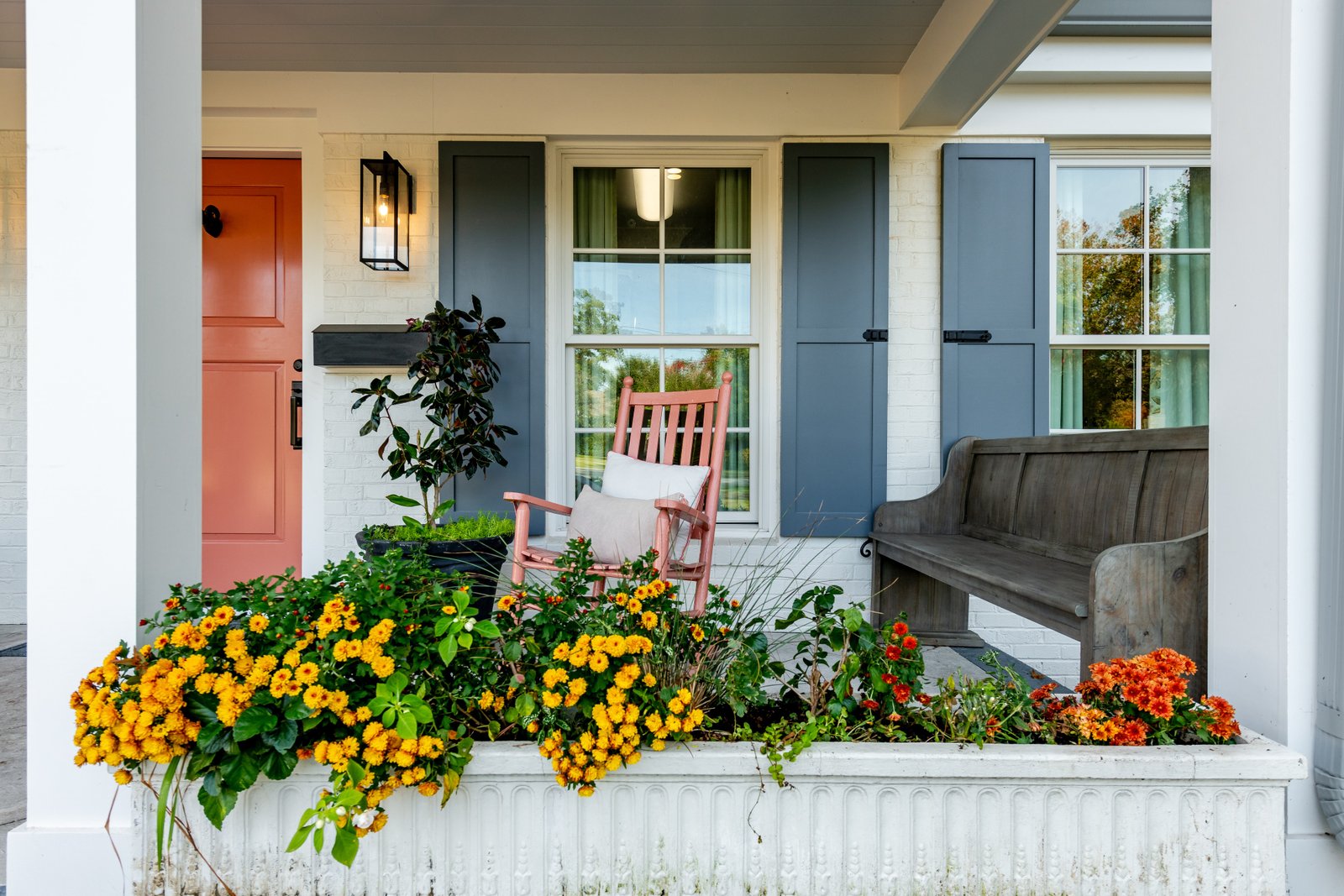
Durable materials help maintain this appeal without constant homeowner intervention. Colors and finishes that resist fading keep a home looking fresh for many years after installation. This consistency supports strong curb appeal throughout changing seasons and weather conditions.
Resale value benefits directly from this sustained appearance. Buyers often notice trim condition as an indicator of overall maintenance. Durable trim signals quality and care, which can positively influence a home's perceived value.
Coastal Homes Wilmington Families Can Finish with Confidence
Durable trim and exterior finishes protect coastal homes from moisture, salt exposure, wind stress, and constant maintenance demands. These materials support energy efficiency and curb appeal at the same time. Investing in quality trim pays off through reduced upkeep and lasting performance.
At Konrady & Son Construction, we build custom homes and renovate coastal homes with durability and long-term performance in mind. Our team knows which materials perform best against the challenges facing coastal homes. We apply this expertise across custom builds and renovations throughout Wilmington, NC.
Contact us today and let us start planning for the home of your dreams.