Renovation Planning for Homes Purchased as Investment Properties
Buying a home as an investment can create an opportunity to improve the property while preparing it for its next purpose. However, successful renovations require more than choosing attractive finishes or updating dated rooms. Start renovation planning by understanding the property's condition, intended use, budget, and long-term goals.
Investment properties can face different demands than homes renovated for personal use. Whether the property will become a long-term rental, vacation rental, or resale opportunity, the renovation should prioritize improvements that make the home functional, durable, and appealing to its intended occupants.
Start With the Property's Existing Condition
Before deciding what to renovate, investors should understand what they are actually buying. A property may have outdated cabinets or flooring, but those cosmetic issues may not be the most important ones to address. A thorough evaluation should consider the roof, foundation, structure, plumbing, electrical systems, HVAC, windows, exterior components, and signs of moisture intrusion.
Addressing these underlying concerns can be more important than immediately investing in cosmetic improvements. This initial evaluation can also help establish a realistic renovation scope. Knowing which systems need attention lets investors prioritize work instead of spending the available budget on visible improvements while overlooking problems behind the walls.
Define the Property's Intended Use
The right renovation depends heavily on how the property will be used. A home intended for long-term tenants may have different priorities than a property being prepared for resale or used as a vacation rental.
For a rental property, durability and easy maintenance can be particularly valuable. Flooring, countertops, cabinetry, fixtures, and other frequently used materials should withstand regular wear without constant repairs or replacement.
A property intended for resale may place greater emphasis on broad buyer appeal, functional layouts, updated kitchens and bathrooms, and improvements that complement the surrounding market. Establishing the property's purpose early helps guide these decisions and keeps the renovation focused.
Prioritize Structural and Functional Improvements During Renovation Planning
Not every renovation needs to involve a complete transformation. In many investment properties, the most valuable work may involve improving the home's basic function and addressing issues that could become more expensive later.
Structural repairs, water management, outdated electrical systems, plumbing concerns, roofing issues, and inadequate ventilation can all affect the property's long-term performance. These areas deserve attention before purely decorative changes are made.
Once investors identify critical work, they can consider improvements that make the property easier and more enjoyable to use. Better layouts, improved storage, updated kitchens, functional bathrooms, and well-planned outdoor areas can all contribute to the property's overall appeal.
Choose Materials for Long-Term Performance
Investment properties experience wear differently from owner-occupied homes. Tenants, guests, or prospective buyers may use the property in unpredictable ways, so durability should be a key part of material selection.
That does not mean every surface needs to be the most expensive option available. Instead, investors should consider how materials perform under repeated use, how easily they can be maintained, and how difficult they are to repair or replace.
This is especially relevant in coastal areas. Humidity, moisture, salt air, rain, and sand can place additional demands on exterior materials and certain interior spaces. Choosing the right materials during renovation can help the property stay attractive and functional with less maintenance over time.
Think About Maintenance During Renovation Planning
A renovation can look impressive when it is finished but become a burden if it requires frequent maintenance. Investment-property renovations should account for what it will take to keep the property in good condition after the construction crew leaves.
Easy-to-clean surfaces, durable flooring, practical landscaping, adequate drainage, and accessible mechanical systems can all simplify future maintenance. Thoughtful storage can also help occupants stay organized and reduce unnecessary wear on living spaces.
Investors should also consider how easily individual components can be serviced or replaced. Planning access to plumbing, electrical, HVAC, and other systems can make future repairs more manageable.
Create a Realistic Renovation Budget
Renovation budgets should account for both planned improvements and the possibility of unexpected conditions. Older homes can reveal damaged materials, outdated systems, moisture problems, or structural concerns once demolition begins.
A realistic budget should therefore distinguish between essential work and optional upgrades. Clear priorities make it easier to decide when the project uncovers an issue that needs immediate attention. Make material selections and design decisions with the overall budget in mind. Major changes late in the project can affect both costs and scheduling, so plan carefully before construction begins.
Consider the Layout, Not Just the Finishes
Investors may be tempted to focus on visual updates because new finishes are immediately noticeable. However, a well-designed layout can have a much greater effect on how a property functions.
Removing an unnecessary wall, improving the connection between a kitchen and living area, creating better storage, or reconfiguring an inefficient bathroom can make the home feel substantially more useful. These changes can also make the property easier for occupants to navigate and enjoy.
The best approach depends on the existing structure and the property's intended purpose. Renovation planning should therefore consider how each space is used before deciding which walls, fixtures, or finishes should change.
Don't Overlook Outdoor Spaces
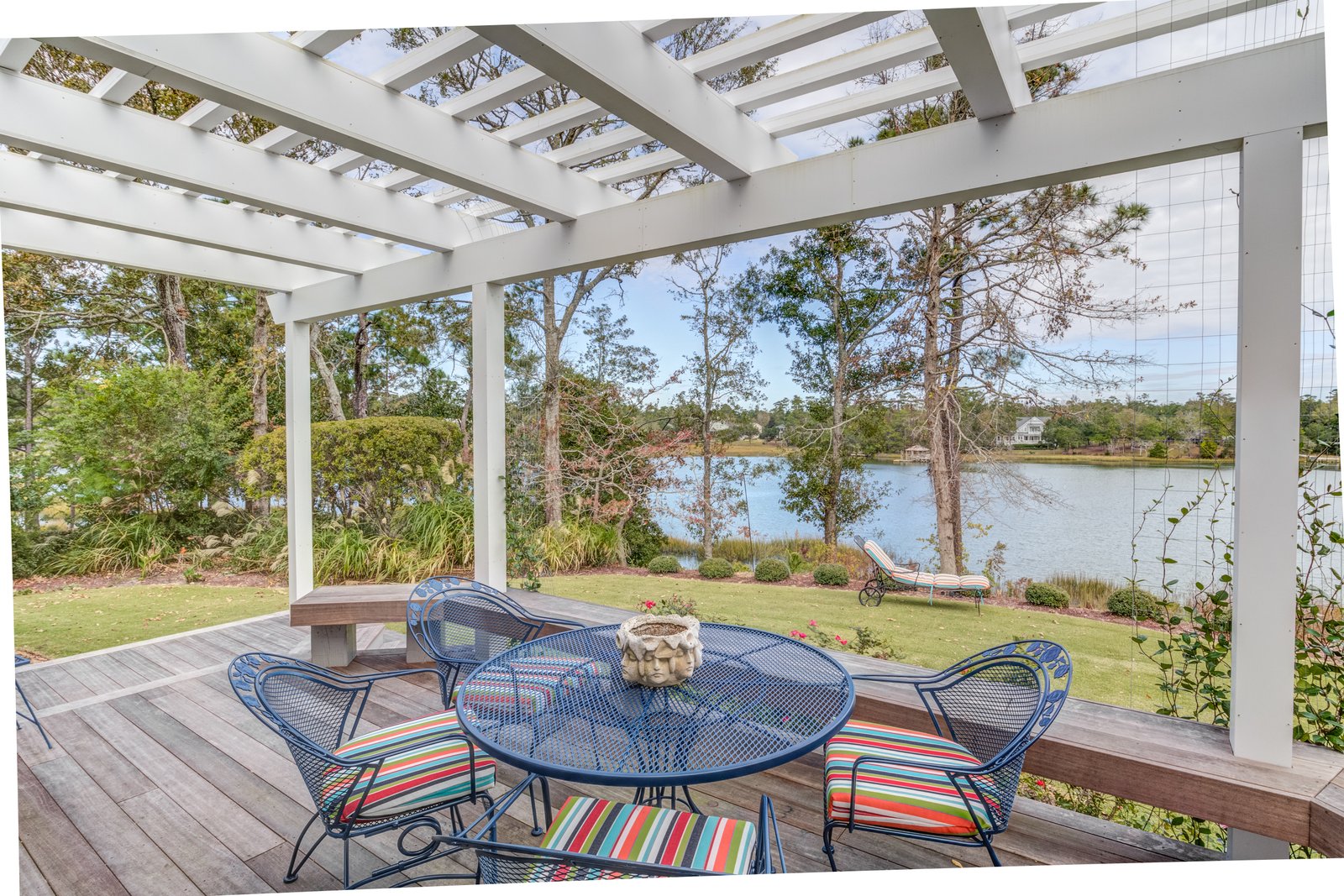
Outdoor areas can be an important part of a property's appeal, particularly in coastal North Carolina. Porches, decks, patios, outdoor kitchens, and other exterior spaces can extend a home's usable area while giving occupants more ways to enjoy the property.
These spaces also need to be planned around durability and maintenance. When renovating an existing outdoor area, consider materials, drainage, structural conditions, and weather exposure. Improving an outdoor space doesn't always require adding elaborate features. Sometimes better lighting, improved seating areas, updated surfaces, or a more functional connection between the interior and exterior can make a meaningful difference.
Plan Before the Renovation Begins
Investment-property renovations can involve many competing priorities. The key is to set those priorities before construction begins so decisions are based on the property's condition and intended use, not shifting preferences throughout the project.
A well-planned renovation considers what needs repair, what should be improved, and what can reasonably wait. It also accounts for durability, maintenance, budget, functionality, and the property's characteristics.
Whether you are preparing an investment property for its next occupants or transforming an existing home for a new purpose, Konrady & Son Construction can help you approach the work thoughtfully. Our team provides renovation services and custom home construction, with an emphasis on quality workmanship and practical design. Get in touch today.