Planning a Home Build on Narrow Coastal Lots with the Right Custom Home Builder
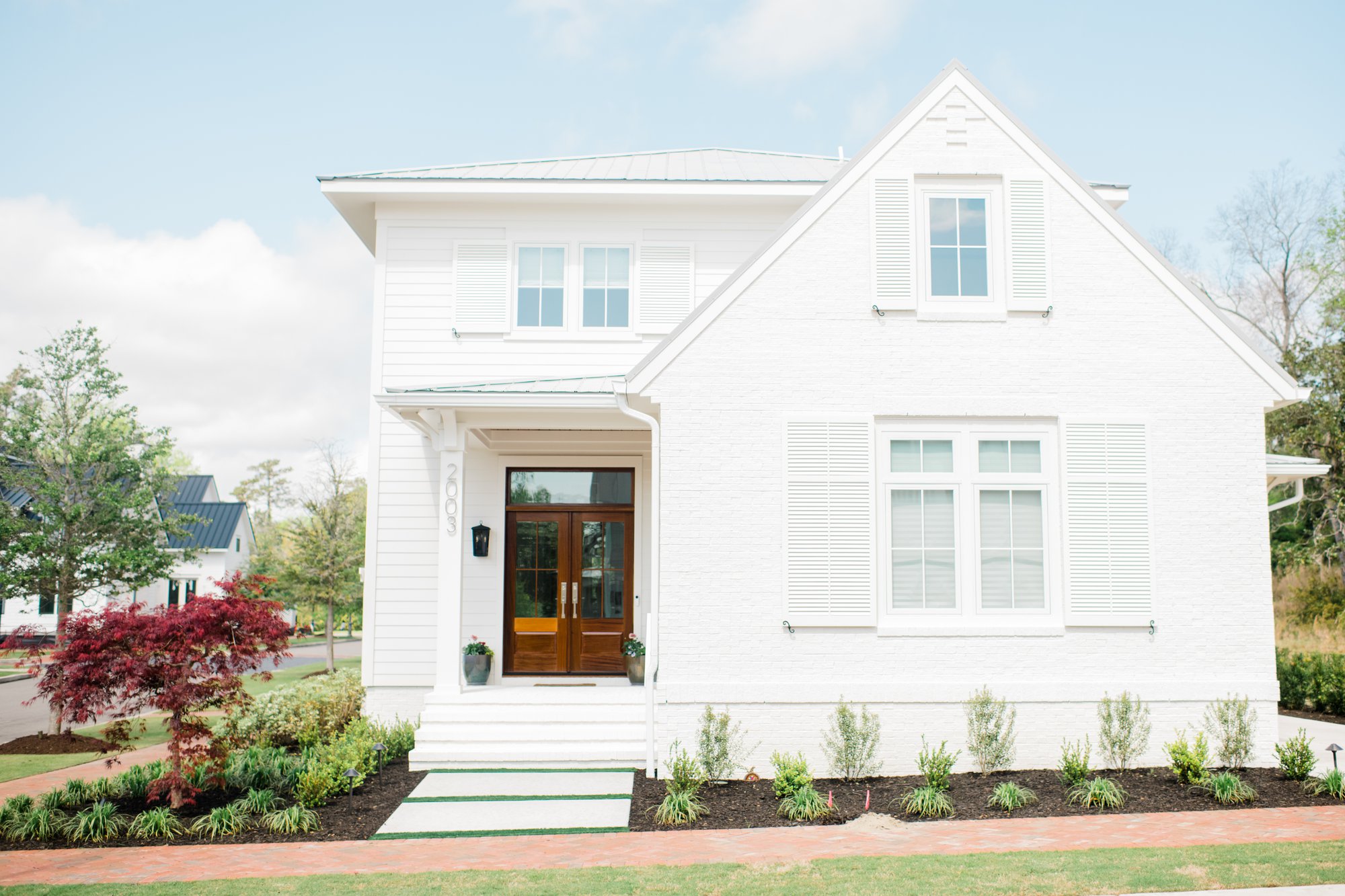
aZCoastal land is some of the most desirable real estate in the country, and also some of the most constrained. Lot widths shrink as proximity to the water increases, and the challenge of building well on a narrow footprint requires a different level of planning than a standard suburban build. Searching for the right custom home builder is one of the most important decisions a homeowner will make, particularly when the lot presents real physical and regulatory limitations.
This article covers the key difficulties of building on narrow coastal lots and what to look for in a builder who can navigate them confidently.
What Qualifies as a Narrow Coastal Lot?
Narrow lots are generally defined as parcels with a width of 50 feet or less, though some coastal communities place that threshold even lower. In established beach communities and waterfront neighborhoods, lots this size are common. They were platted decades ago, long before modern homes grew in size and complexity.
Building on them today means working within setback requirements, height restrictions, storm elevation rules, and neighbor proximity constraints simultaneously. The result is a building envelope, which is the area where construction is actually permitted, that can feel remarkably small relative to the overall lot size. An experienced custom home builder knows how to maximize every square foot within that envelope without sacrificing livability or code compliance.
Setbacks, Easements, and Coastal Regulations
Regulatory constraints are among the first and most significant challenges on narrow coastal lots. Local zoning ordinances require minimum setbacks from the front, rear, and sides of a property. On a narrow lot, side setbacks alone can consume a substantial portion of the total width.

In addition to local zoning, coastal properties in North Carolina are subject to Coastal Area Management Act (CAMA) regulations, which establish additional buffer zones from shorelines, wetlands, and estuarine areas. Floodplain designations under FEMA maps further dictate finished floor elevations, often requiring homes to be elevated on pilings or stem walls. Each of these layers of regulation affects the buildable footprint, the structural system, and the overall design of the home.
Foundation Challenges on Narrow Coastal Lots
Foundation design on narrow coastal lots demands careful engineering. Elevated foundations, such as piling systems or pier-and-beam construction, are standard in flood zones throughout coastal North Carolina. On narrow lots, the spacing and placement of foundation elements must account for property lines, easements, and the need for equipment access during installation.
Helical piles and driven timber pilings both have specific installation requirements that affect how close to a property line work can be performed. A builder without direct experience in coastal foundation systems may underestimate these constraints, leading to costly redesigns or schedule delays once the project reaches the field. Foundation decisions made early in the design process have downstream effects on framing, elevation, and utility connections throughout the entire build.
Vertical Design: Building Up on a Narrow Footprint
When horizontal space is limited, the most effective solution is to build vertically. Multi-story design is a practical response to a narrow coastal lot, and skilled custom home builders use it to deliver generous square footage within a tight footprint. Open stair systems, rooftop decks, and elevated living areas are common features in narrow coastal homes. They maximize usable space while taking full advantage of water views that increase with height.
Elevator shafts are also a popular addition in multi-story coastal homes, particularly for clients who plan to age in place or want to add long-term accessibility. Vertical design requires careful structural planning to ensure that wind uplift loads, lateral forces, and floor-to-floor connections all meet coastal building code requirements.
Access, Staging, and Construction Logistics
Building on a narrow lot creates logistical challenges that affect the entire construction timeline. Equipment access is limited. Material staging areas are compressed. Neighboring structures are close, which requires extra care during framing, roofing, and exterior work. Concrete pours, crane lifts, and excavation all require detailed coordination on tight sites that would be straightforward on a larger parcel.
An experienced custom home builder will have established protocols for managing constrained job sites, including sequenced material deliveries, shared access agreements with neighboring properties when necessary, and clear communication with local authorities about lane closures or right-of-way use. Builders without this experience can find narrow coastal sites disorganizing and expensive.
What to Look for When Hiring a Custom Home Builder
Not every builder has the specific skill set that narrow coastal lots demand. When evaluating builders, homeowners should look for demonstrated experience with coastal construction, familiarity with CAMA regulations and FEMA flood zone requirements, and a portfolio that includes completed homes on constrained sites.

References from past clients who built on similar lots carry more weight than general testimonials. A builder's relationships with local engineers, surveyors, and permitting staff also matter. Coastal jurisdictions have specific review processes, and builders who work in these markets regularly have established rapport with the agencies involved. That familiarity translates directly into smoother permitting timelines and fewer surprises during the approval process.
Design Creativity Within Constraints
Narrow lots force creative problem-solving that often produces homes with more character and ingenuity than a standard wide-lot build. Built-in storage systems, dual-purpose rooms, covered parking beneath elevated living areas, and carefully positioned windows that borrow light and views from multiple directions are all tools that experienced builders use to make narrow homes feel spacious and livable.
Outdoor spaces, including rooftop terraces, side-yard gardens, and ground-level covered areas beneath elevated structures, extend the functional square footage of the home beyond its interior. The best narrow coastal homes feel intentional in every detail, because they have to be.
Build Smart on the North Carolina Coast with a Custom Home Builder
Narrow coastal lots reward homeowners who invest in the right builder from the start. The regulatory complexity, foundation demands, construction logistics, and design creativity required to build well on a constrained coastal site are not skills that generalist builders develop casually. They come from years of working in specific markets, on specific lot types, with specific code requirements.
At Konrady & Son Construction, we have spent generations building custom homes and managing renovations throughout Wilmington, NC. We know these lots, these regulations, and these neighborhoods in detail.
Our team brings the engineering relationships, permitting experience, and design ingenuity needed to deliver a home that makes the most of every square foot, no matter how the land is shaped. When the site is challenging, our experience is the advantage. Send us a message today.