How Landscaping Protects Coastal Homes from Wind and Water
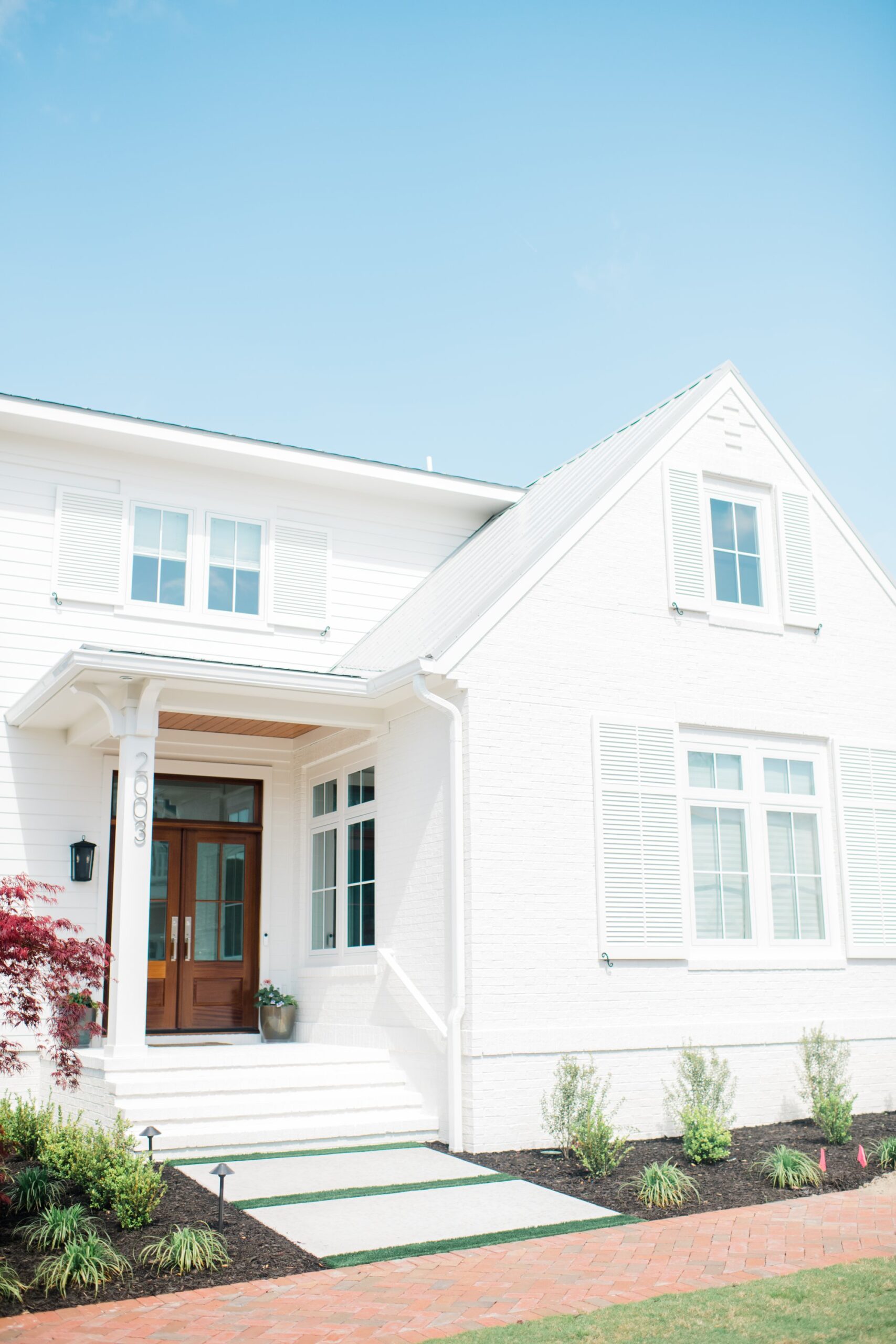
Coastal properties offer unmatched views and access to the water, but they also come with a unique set of environmental challenges. Constant exposure to strong winds, salt air, heavy rainfall, and storm surge can take a serious toll on both structures and the surrounding land. Over time, these elements can lead to costly damage if not properly managed. For coastal homes, landscaping isn’t just about curb appeal.
Landscaping functions as a critical layer of protection that helps defend against natural forces. Thoughtful landscape design can redirect water, reduce wind impact, and reinforce the stability of the soil around a property. When done correctly, it becomes an essential part of long-term property preservation.
The Risks Facing Coastal Homes
Before diving into solutions, it is important to understand what coastal properties are up against. These environments experience a combination of stressors that often work together, amplifying damage over time.
Strong coastal winds can lift debris and place pressure on structures, especially in open or poorly protected areas. At the same time, soil erosion becomes a major concern as wind and water gradually wear away the ground supporting foundations and landscaping features. Heavy rainfall and storm surge further complicate matters by overwhelming drainage systems and saturating soil.
Salt exposure adds another layer of difficulty. It can weaken plant life, degrade soil quality, and accelerate wear on outdoor materials. Without intervention, these issues compound, leading to unstable terrain and increased vulnerability during storms. Landscaping, when approached strategically, serves as the first line of defense against these risks.
Wind Protection Through Strategic Planting
One of the most effective ways to reduce wind impact is through carefully planned vegetation. Trees, shrubs, and hedges can act as natural windbreaks, slowing down gusts before they reach the home.
However, placement is critical. Poorly positioned plantings can create wind tunnels that intensify airflow instead of reducing it. A staggered, layered approach works best, allowing wind to be filtered and dispersed gradually. This reduces pressure on structures while also limiting airborne debris.
Plant selection also plays a key role. Coastal environments require species that can tolerate salt and withstand strong winds without breaking or uprooting. Flexible branches and deep root systems help plants absorb wind energy rather than resist it outright. For contractors and property managers, this means prioritizing durability and long-term performance over purely aesthetic choices.

Erosion Control and Soil Stabilization
Erosion is one of the most damaging forces affecting coastal properties. As soil shifts or washes away, it can expose foundations, damage hardscaping, and create uneven terrain.
Landscaping addresses this issue through a combination of plantings and structural solutions. Ground covers and deep-rooted plants help anchor the soil, preventing it from being carried away during heavy rain or high winds. These natural reinforcements are especially important on slopes or areas prone to runoff.
In more vulnerable zones, retaining walls and terracing can provide additional support. These features hold soil in place while also reducing the speed at which water moves across the property. Mulching further enhances soil stability by protecting the surface from direct impact and helping retain moisture.
Together, these strategies create a more resilient landscape that protects both the land and the structures built on it.
Managing Water Flow and Drainage in Coastal Homes
Water management is a critical component of protecting coastal homes. Without proper drainage, even moderate rainfall can lead to pooling, flooding, and long-term damage.
Effective landscaping begins with grading. By shaping the land to direct water away from structures, property owners can significantly reduce the risk of water intrusion. Even subtle changes in slope can make a major difference in how water moves across a site.
Additional solutions, such as French drains and swales, help capture and redirect excess water. These systems are designed to handle large volumes efficiently, preventing buildup in vulnerable areas. Permeable surfaces also play a role by allowing water to seep into the ground rather than run off uncontrollably.
When combined, these elements create a controlled flow of water that protects foundations, reduces erosion, and minimizes flood risk.
Hardscaping as a Protective Barrier
While plants play a major role in coastal landscaping, hardscaping provides the structural strength needed to withstand extreme conditions. Features such as stone walls, reinforced pathways, and elevated surfaces act as barriers against both wind and water.
These elements help slow down runoff, reducing the force of moving water before it can cause damage. They also provide added protection to key areas of the property, such as entry points and foundation edges.
The most effective designs integrate hardscaping with soft landscaping elements. For example, a retaining wall paired with strategic planting can offer both structural support and natural erosion control. This combination ensures that the landscape functions as a unified system rather than a collection of separate features.
Plant Selection for Coastal Environments
Choosing the right plants is essential for long-term success in coastal settings. Not all vegetation can withstand the harsh conditions found near the ocean, and poor selection often leads to higher maintenance costs and reduced effectiveness.
Ideal plants for coastal landscapes share several key traits. They are salt-tolerant, capable of thriving in sandy or nutrient-poor soils, and flexible enough to endure strong winds. Deep or spreading root systems are particularly valuable, as they help stabilize the soil and support erosion control efforts.

Grouping plants based on their function can further enhance performance. For example, low-growing ground covers can protect the soil surface, while taller shrubs and trees provide wind protection. This layered approach maximizes the protective benefits of the landscape.
Long-Term Maintenance and System Performance
Even the best-designed landscape requires ongoing maintenance to remain effective. Coastal conditions are constantly changing, and regular upkeep ensures that protective systems continue to perform as intended.
Routine inspections help identify issues such as plant damage, soil displacement, or drainage blockages. Addressing these problems early prevents them from escalating into larger, more costly concerns. After major storms, replanting and reinforcement may be necessary to restore stability.
Drainage systems also require attention. Clearing debris and ensuring proper flow keeps water moving efficiently, reducing the risk of flooding. When maintenance is treated as part of a long-term strategy, the landscape continues to provide reliable protection year after year.
Build a Landscape That Works as Protection for Coastal Homes
Konrady & Son Construction specializes in building landscapes that do more than look good. Our customized coastal solutions are designed to withstand harsh conditions while preserving the integrity and value of your property. If you are looking to protect your coastal home with a smarter, more resilient approach, now is the time to take action. Contact us today.