Choosing Windows That Perform Well in Coastal Storm Zones
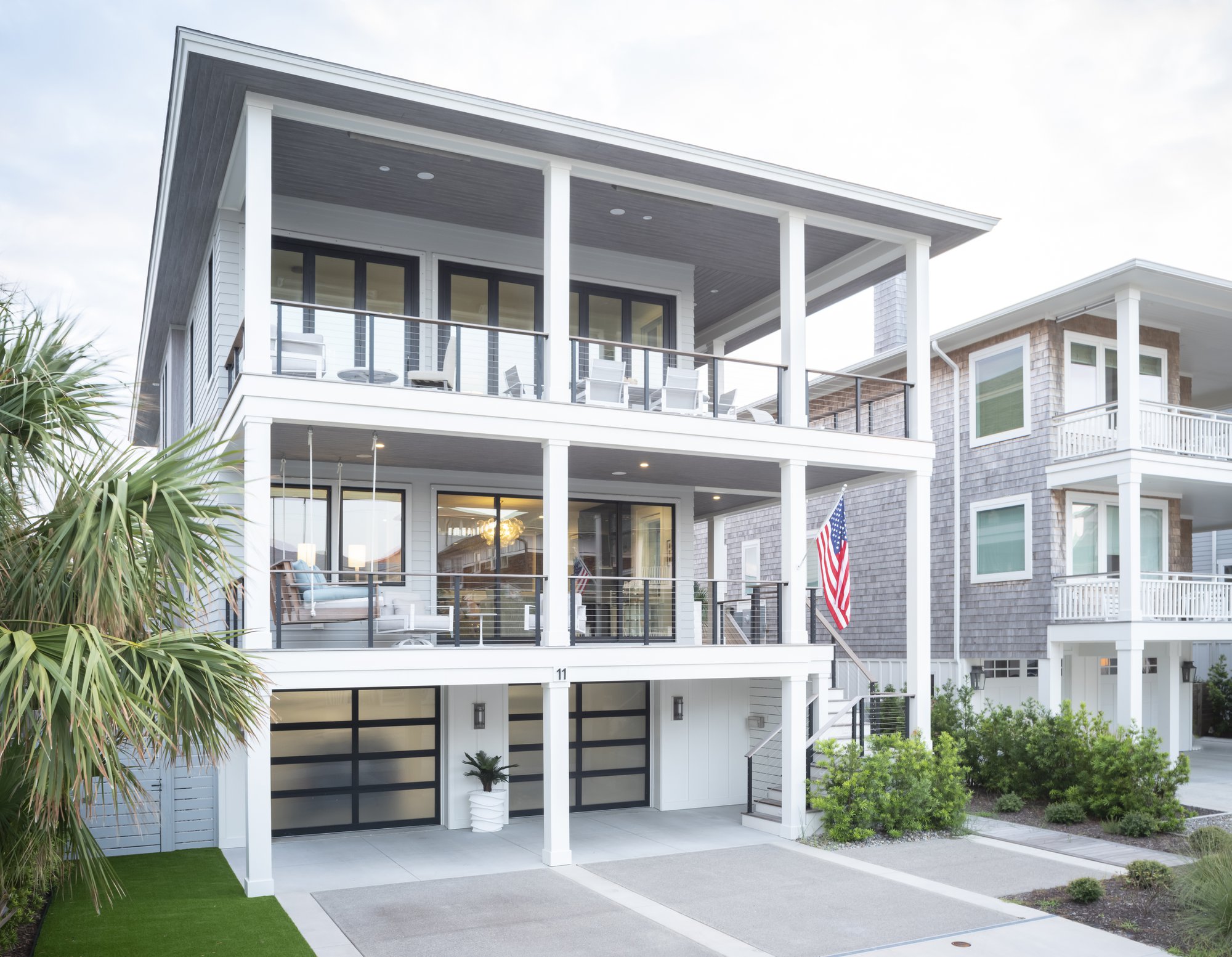
Windows are one of the most vulnerable parts of any home. When building or renovating near the coast, choosing windows that can withstand coastal storm conditions is not optional but essential. The right windows protect against wind, rain, and flying debris. They also help maintain energy efficiency and structural integrity year-round.
This guide walks through the key factors homeowners and builders should consider when selecting windows for coastal storm zones.
Why Coastal Storm Conditions Demand Specialized Windows
Coastal environments expose homes to a unique combination of stressors. High winds, salt air, hurricane-force gusts, and windborne debris all take a toll on standard windows. According to the Insurance Institute for Business and Home Safety (IBHS), window and door failures are among the leading causes of catastrophic damage during hurricanes.
Once a window fails, interior pressure can spike rapidly, increasing the risk of roof and wall damage. Choosing the right windows from the start significantly reduces this risk.
Understanding Impact Ratings for Coastal Storm Zones
Not all windows are built to the same standard. In coastal storm zones, impact resistance ratings are the most critical specification to evaluate. Look for windows that meet Miami-Dade County Product Approval standards, which are among the strictest in the country. These windows are tested against large missile impact and cycling pressure loads.
The American Architectural Manufacturers Association (AAMA) also rates windows for air infiltration, water resistance, and structural performance. For coastal builds, an AAMA rating of HC (High Coastal) is the baseline to target.

Impact-Resistant Glass vs. Storm Shutters
Homeowners often debate between impact-resistant glazing and external storm shutters. Both offer protection, but they serve different purposes. Impact-resistant windows use a polyvinyl butyral (PVB) or ethylene-vinyl acetate (EVA) interlayer between two glass panes. This laminated construction holds shattered glass in place, preventing breach even under significant force.
Storm shutters, on the other hand, require manual deployment before each storm event. Impact-resistant windows provide continuous, passive protection without the need for last-minute preparation. For coastal homes, many building codes now require impact-resistant glazing as a minimum standard.
Frame Material Matters in Coastal Storm Zones
Glass performance is only part of the equation. The window frame must also stand up to the coastal environment. Aluminum frames are a popular choice for coastal construction. They are strong, lightweight, and corrosion-resistant when properly anodized or coated.
Fiberglass frames offer excellent strength-to-weight ratio and resist salt air corrosion effectively. Vinyl frames are another viable option, though they can warp under extreme heat exposure over time.
Wood frames, while aesthetically appealing, require significant maintenance in salt-air environments and are generally not recommended for direct coastal exposure. The frame material should match both the structural demands and the long-term maintenance capacity of the homeowner.
Pressure Ratings and Design Pressure Numbers
Every window approved for use in a coastal storm zone carries a Design Pressure (DP) rating. This number reflects the wind load the window can withstand, measured in pounds per square foot. For areas with high hurricane risk, a DP rating of 50 or higher is generally recommended.
Homes within one mile of the coastline often require even higher ratings, depending on local building codes. Builders should consult local code requirements and wind speed maps from ASCE 7 (the American Society of Civil Engineers standard for wind loads) when specifying windows. Choosing windows with the correct DP rating is not just a performance decision but also a code-compliance requirement in most coastal jurisdictions.
Installation Quality Is as Important as the Product
Even the highest-rated window will fail if it is not installed correctly. Proper installation in coastal storm zones involves more than setting the frame and sealing the edges. Fasteners must be corrosion-resistant and spaced according to manufacturer specifications.
Flashing must be continuous and correctly lapped to prevent water intrusion during wind-driven rain. The structural rough opening must be properly reinforced to transfer load forces from the window frame into the wall assembly.
Cutting corners on installation undermines the entire investment in high-performance windows. This is why working with experienced builders who understand coastal construction standards is critical.

Energy Efficiency in Coastal Storm Windows
High-performance coastal storm windows also offer significant energy benefits. Laminated glass and tight-fitting frames reduce air infiltration, which lowers heating and cooling costs. Low-emissivity (Low-E) coatings reflect infrared heat while allowing visible light to pass through, keeping interiors cooler in warm coastal climates.
In hot and humid regions like the Carolinas, selecting windows with a low Solar Heat Gain Coefficient (SHGC) further reduces cooling loads. Many impact-resistant windows now carry ENERGY STAR certification, meaning they meet federal energy performance benchmarks. Choosing windows that perform well in coastal storm zones does not have to come at the expense of comfort or efficiency.
Building Right the First Time on the Carolina Coast
Windows are a long-term investment, and the choices made during the build or renovation process have lasting consequences. From impact ratings and frame materials to installation standards and energy performance, every decision contributes to how a home holds up over decades of coastal living. Selecting the right windows is one piece of a larger puzzle that includes structural design, roofing, and overall building envelope performance.
At Konrady & Son Construction, we bring expertise to every custom home build and renovation on the North Carolina coast. Our team understands the specific demands of building in Wilmington, Wrightsville Beach, Landfall, and Figure Eight Island.
We work with proven materials, trusted subcontractors, and time-tested methods to deliver homes that are beautiful, resilient, and built to last. From window selection to final walkthrough, we are involved in every phase of the process.
Ready to build the home of your dreams? Send us a message today.