What Custom Home Builders Consider About Soil Conditions Before Building
Building a new home involves much more than choosing a floor plan, selecting finishes, and deciding where each room should go. Before construction begins, custom home builders also need to understand the property itself, including what lies beneath the surface. Soil conditions can influence everything from foundation requirements to drainage, grading, and site preparation.
For homeowners, these considerations may be less visible than architectural plans or material selections. However, understanding the site before construction starts can help create a stronger foundation for the entire project.
Why Soil Conditions Matter Before Construction
The ground beneath a home needs to support the structure reliably over time. Different soils have different characteristics, and those characteristics can affect how well the ground supports a foundation. Some soils provide stable support, while others have characteristics that require additional engineering or preparation.
Moisture is another important consideration. Soil can behave differently depending on how much water it contains, particularly in areas with heavy rainfall or high groundwater levels. Changes in moisture can contribute to movement, settlement, or drainage challenges if you don't account for them during planning.
This is why evaluating site conditions is an important part of preparing for construction. A home can be beautifully designed above ground, but the design still needs to work with the property's physical characteristics.
What Custom Home Builders Look For
A site evaluation can reveal information that is difficult to determine simply by looking at the property. Depending on the project and local requirements, professionals may evaluate soil composition, bearing capacity, drainage characteristics, groundwater conditions, and other site-specific factors.
Soil composition can vary considerably, even between nearby properties. Sand, clay, silt, fill material, and combinations of different soils can behave differently under the weight of a structure. Understanding those characteristics helps the project team determine what preparation and foundation approach may be appropriate.
Custom home builders also need to consider the overall site, not just the building footprint in isolation. Existing grades, slopes, vegetation, neighboring properties, access points, and planned outdoor spaces can all affect how the site should be prepared.
The Role of Soil Testing and Engineering
When additional information is needed, soil testing can provide a more detailed understanding of the conditions beneath a proposed building site. Engineers and other qualified professionals can use this information to evaluate whether the anticipated foundation design is appropriate for the site's characteristics.
Testing may be particularly important when the property has unusual soil conditions, significant elevation changes, previous development, or other characteristics that could affect construction. The results can help identify potential issues before excavation and foundation work begin.
This early information is valuable because changing a plan after construction has started can be more complicated than addressing the issue during the design phase. When the project team understands site conditions early, it can incorporate appropriate measures into the plans instead of reacting to unexpected conditions later.
How Soil Conditions Can Affect Foundations
The foundation is one of the most important connections between a home and the land beneath it. Its design must account for the structure's loads and the site's characteristics.
Soil conditions can influence decisions about foundation type, depth, reinforcement, drainage, and other structural considerations. These decisions should be based on site-specific information and appropriate engineering rather than assumptions about what worked on another property.
For homeowners, this is one reason custom construction requires more than selecting a house plan. The same architectural design may require different considerations when built on different lots. A successful custom home responds not only to how the homeowner wants to live, but also to the property's characteristics.
Coastal Properties Present Additional Considerations
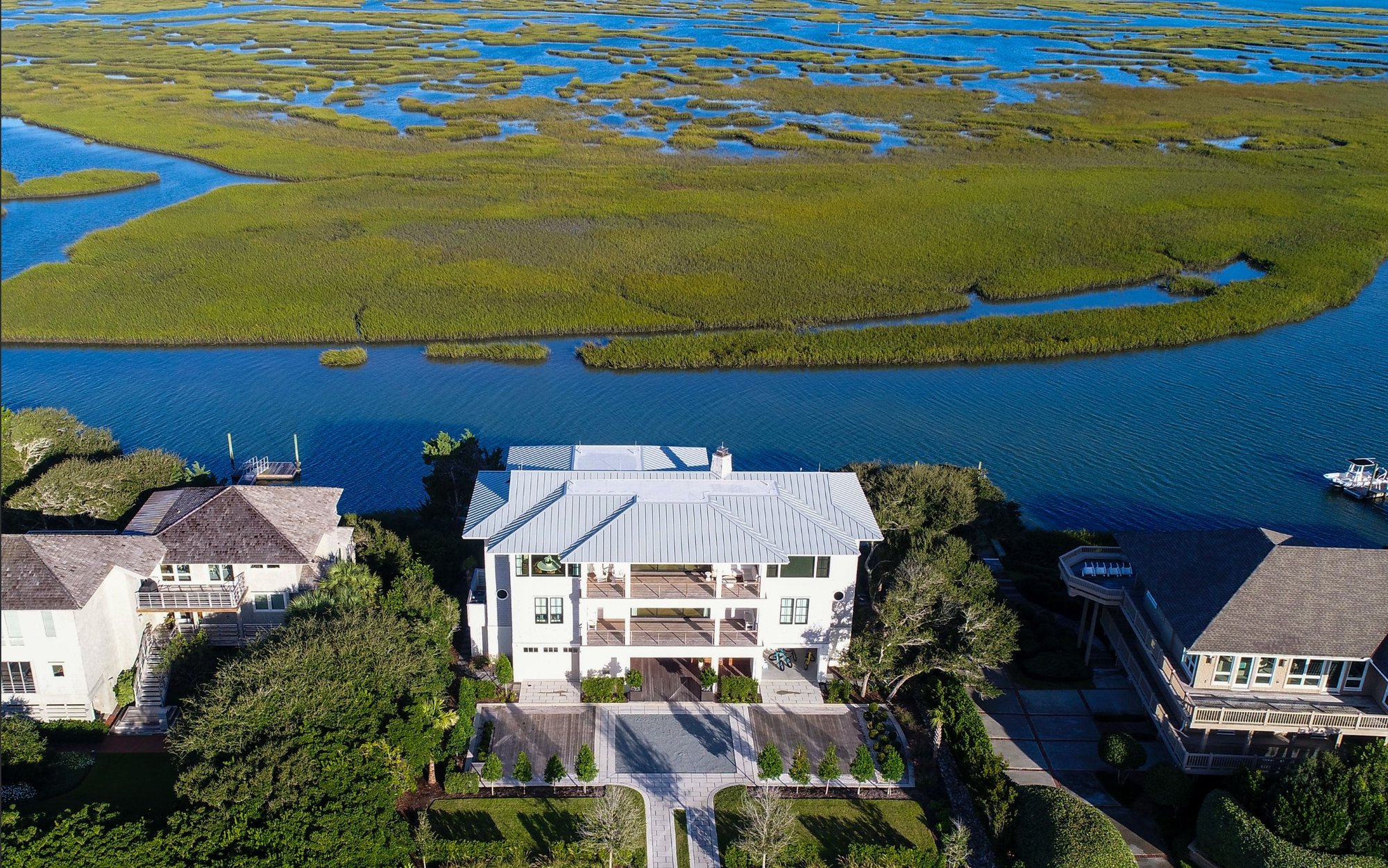
Coastal properties can present their own set of site challenges. Sandy soils, high groundwater, heavy rainfall, drainage concerns, and exposure to severe weather can all influence how a building site is evaluated and prepared.
Water management is especially important. The project team may need to consider how water moves across the property, how grading directs runoff, and how drainage systems interact with the foundation and surrounding landscape.
Coastal conditions can also make material selection and structural planning particularly important. The goal is not simply to build a home that looks appropriate for its setting, but to create one that responds thoughtfully to the environmental conditions of the site.
Grading and Drainage Start With the Site
Soil and drainage are closely connected. The way a property is graded can influence where rainwater travels, how quickly it leaves the building area, and whether water collects near the foundation.
Effective site planning considers these relationships before construction begins. Grading, gutters, downspouts, drainage features, landscaping, and other elements should work together rather than being treated as completely separate decisions.
This is especially important for homes in areas that experience substantial rainfall. Managing water effectively helps protect the foundation and other parts of the property while also supporting the long-term performance of the landscape and outdoor spaces.
Why Early Planning Helps Homeowners
Discovering site conditions before construction begins gives homeowners and their project team an opportunity to make informed decisions. It can help establish realistic expectations for site preparation, foundation work, drainage, and other aspects of the project.
It can also help reduce the likelihood of major surprises once excavation begins. While no construction project can eliminate every unexpected condition, thorough planning can identify many potential concerns before they become construction problems.
For homeowners building a custom house, this is ultimately part of the value of a carefully planned process. The objective is not to make the site conform to an arbitrary design. Instead, the home should be designed and constructed with the property itself in mind.
Building From the Ground Up with Experienced Custom Home Builders
The most important parts of a home are not always the ones homeowners see after construction is complete. The foundation, grading, drainage, structural connections, and other underlying elements all play an important role in how a house performs over time.
Custom home builders consider these factors early because good construction begins with understanding the site. Soil conditions can influence important decisions long before the first walls are framed, making site evaluation an essential part of responsible home planning.
Konrady & Son Construction can help you approach any project with careful planning and attention to the property itself, whether you're building a custom home or considering a renovation that requires structural or site-related work. Get in touch today.