How Custom Home Builders Design Homes That Age Gracefully Over Decades
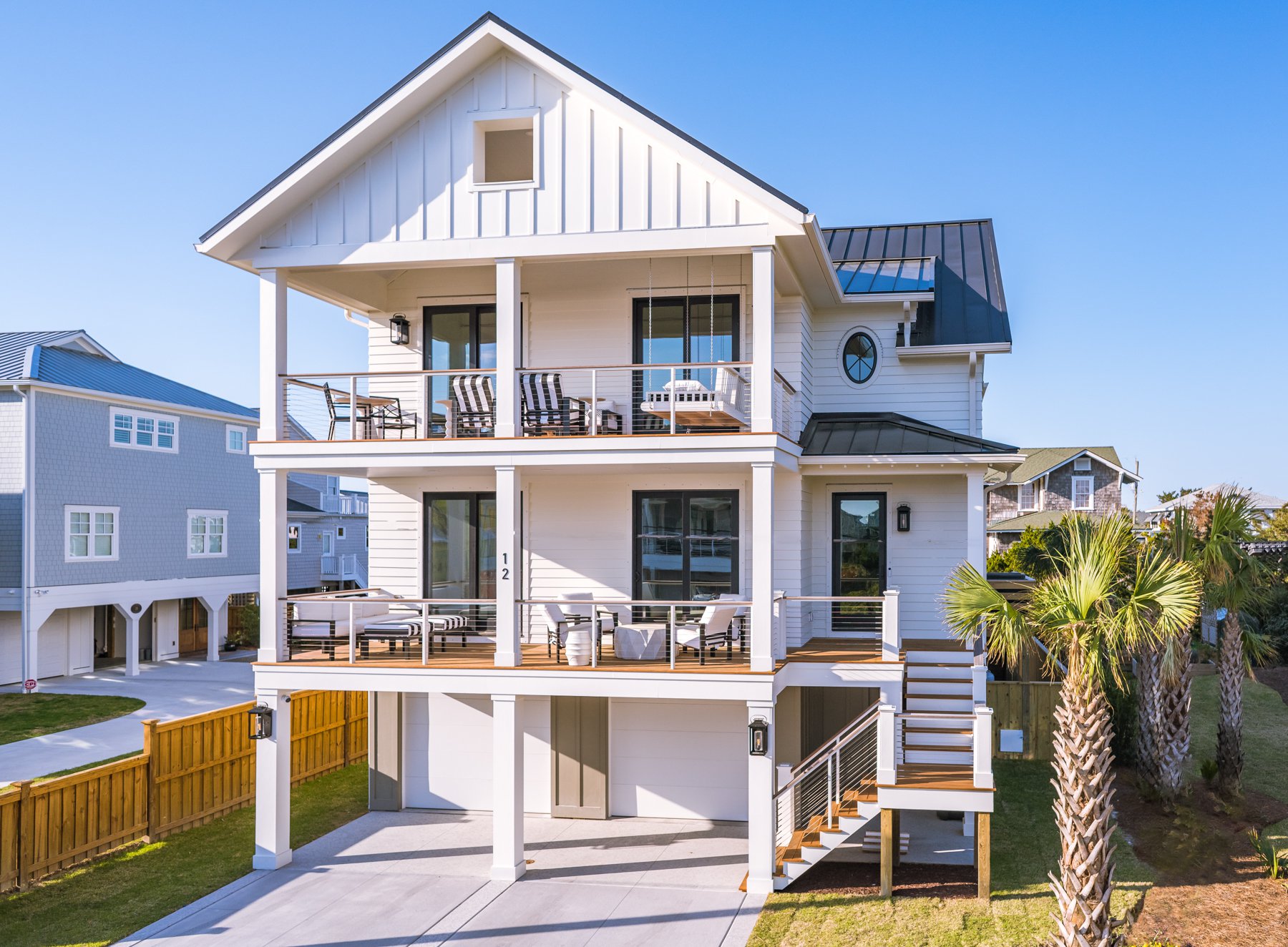
A well-built house should look and function beautifully decades after the final nail. Custom home builders achieve this through deliberate choices made long before construction begins. These decisions determine whether a coastal home ages gracefully or shows wear within just a few years.
Longevity depends on far more than good materials alone. Design choices, structural planning, and maintenance access all affect how well a home holds up. The following approaches show how experienced builders create homes that stand the test of time.
How Custom Home Builders Approach Longevity in Coastal Homes
Coastal conditions accelerate wear on homes that aren't designed with the environment in mind. Salt air, humidity, and storm exposure all take a toll over time. Builders who understand these challenges plan around them from the earliest design stages.
Longevity planning also considers how a family's needs might change over the years. Flexible layouts and durable systems let a home adapt without major renovations. This forward-thinking approach saves homeowners significant money and stress later on.
Here’s how home builders can ensure that they build for long-term durability:
1) Choose Materials That Resist Salt Air and Moisture
Material selection sets the tone for how well a home ages near the coast. Fiber cement siding, stainless steel fasteners, and pressure-treated framing all resist corrosion and rot far better than standard alternatives. These choices cost more upfront but pay off through decades of reduced maintenance.
Roofing materials deserve equal consideration. Metal roofing and impact-rated shingles withstand wind and moisture exposure better than basic asphalt options. Selecting the right roofing system protects everything beneath it for years to come.
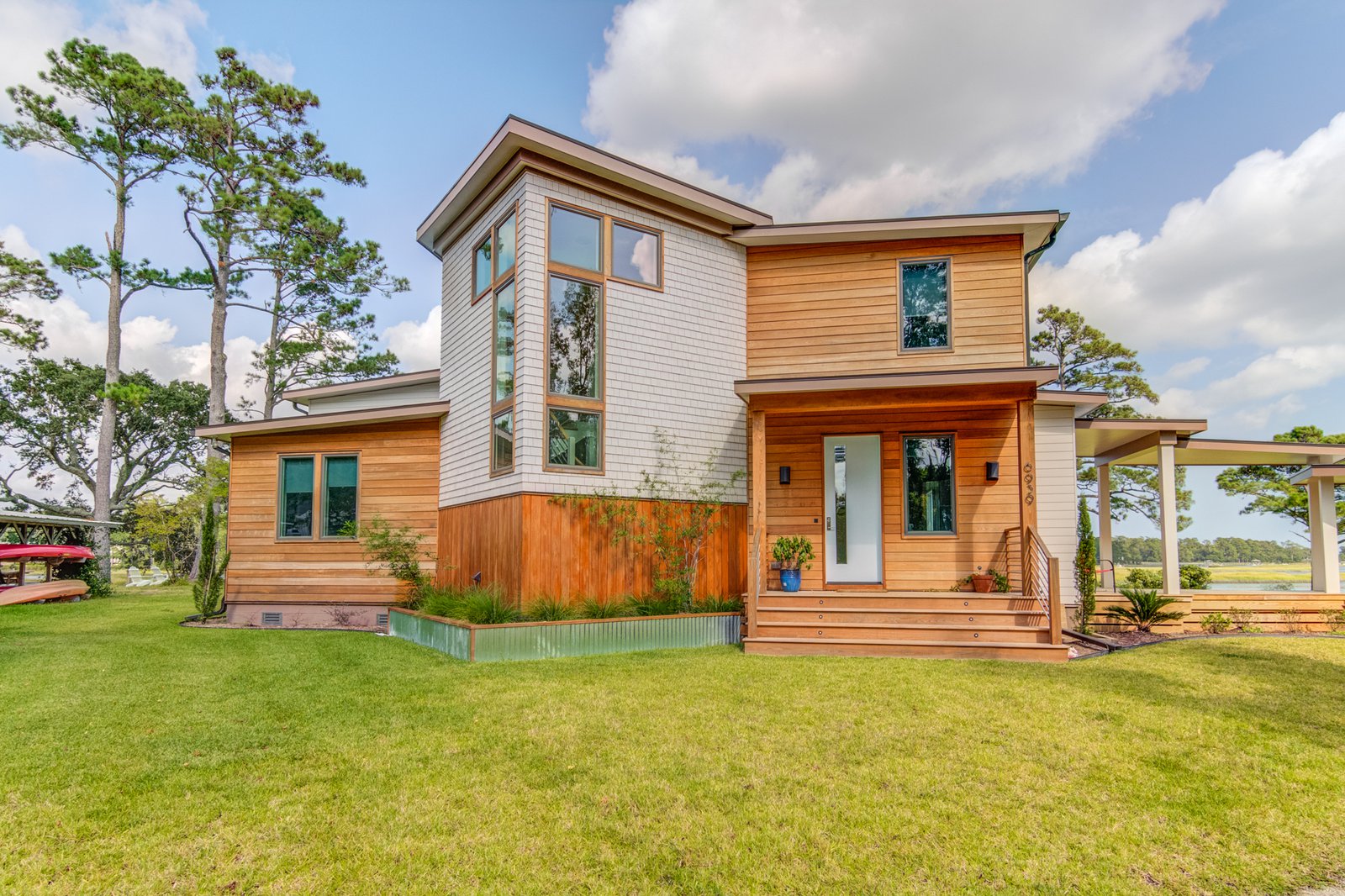
Interior finishes also benefit from careful material choices in humid coastal climates. Moisture-resistant drywall and properly sealed cabinetry resist warping and mold growth. Small decisions like these add up to significant differences in long-term durability.
2) Design Custom Home Builders Trust for Structural Flexibility
Flexible floor plans allow a home to evolve alongside a growing or changing family. Rooms designed with multiple potential uses avoid becoming outdated as needs shift. A home office today might easily convert into a nursery or guest room later.
Structural planning also anticipates future additions or modifications. Reinforced framing in key locations makes it easier to add a second story or expand a room. Planning for this flexibility during initial construction avoids expensive structural work later.
Universal design principles further support long-term flexibility for aging homeowners. Wider doorways, zero-step entries, and reinforced bathroom walls accommodate future accessibility needs. These features blend seamlessly into a home's design while offering practical benefits for decades.
3) Plan Timeless Architectural Styles Over Trends
Trendy design choices often look dated within just a few years. Classic architectural styles, by contrast, maintain their appeal across changing design fads. Coastal builders often favor timeless elements like clean lines, natural materials, and balanced proportions.
Neutral color palettes support this same goal for interior finishes. Bold, trend-driven colors can quickly feel outdated compared to versatile neutral tones. Homeowners can always add personality through furniture and decor, which is far easier to update than fixed finishes.
Exterior details benefit from this same restrained approach. Simple, well-proportioned facades tend to age better than overly ornate designs. This timeless quality helps a home retain its value and curb appeal for decades.
4) Build in Maintenance-Friendly Systems Access
Homes that age well typically make maintenance easier, not harder. Accessible crawl spaces, labeled electrical panels, and clearly marked shutoff valves simplify routine upkeep. These small details save future homeowners significant time and frustration.
Attic and mechanical room access also matters for long-term maintenance. Properly sized access points allow technicians to service HVAC systems without difficulty. Builders who prioritize this access help prevent costly complications during repairs.
Exterior maintenance access deserves the same attention during design. Gutters, vents, and exterior fixtures should remain reachable without specialized equipment. This consideration keeps routine upkeep manageable throughout a home's lifespan.
5) Elevate and Reinforce Against Coastal Elements
Elevated foundations protect homes from flooding while also improving long-term structural performance. Raising a home above expected flood levels considerably reduces the risk of water damage. This design choice becomes increasingly important as coastal weather patterns intensify.
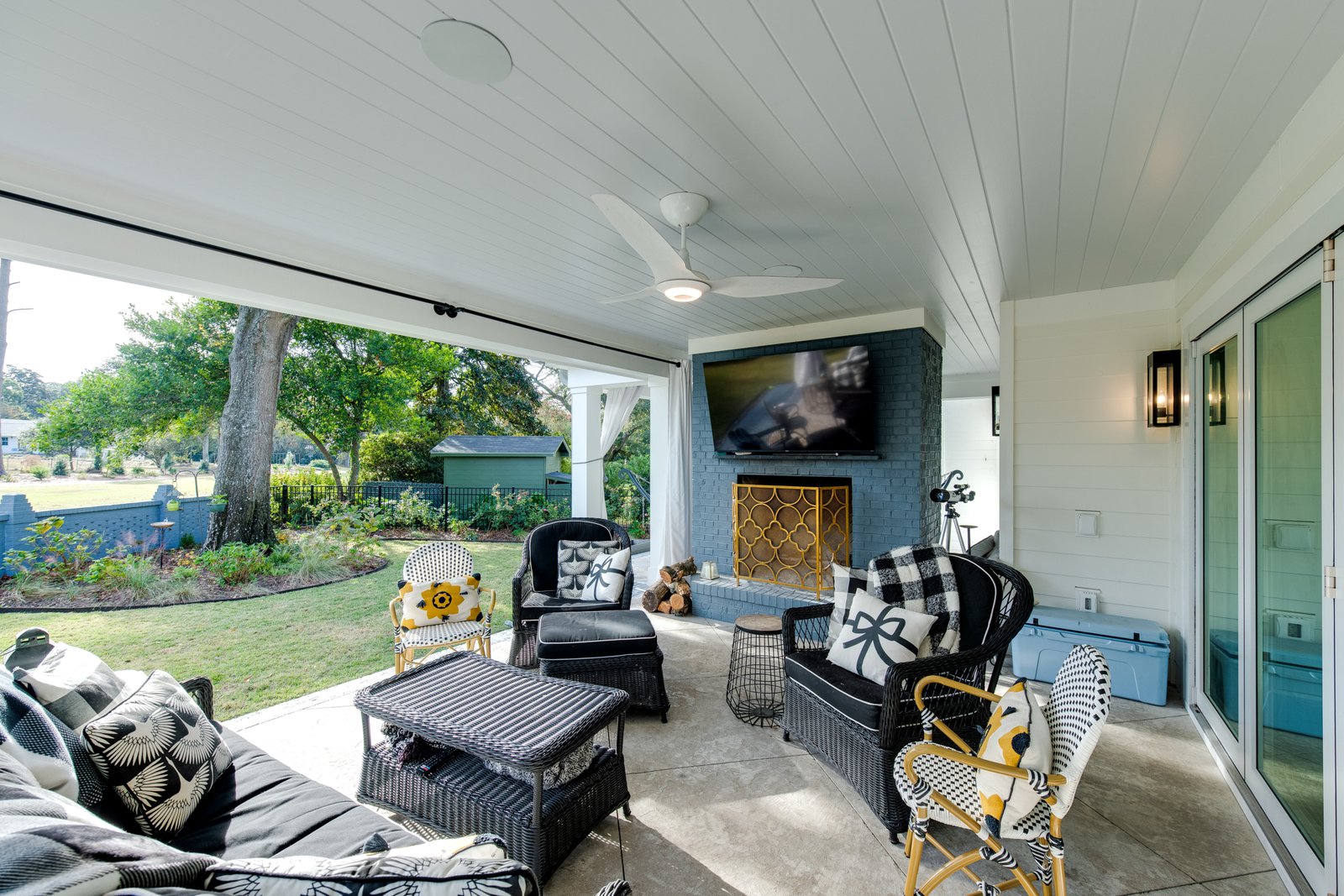
Reinforced connections between the roof, walls, and foundation add another layer of long-term protection. Hurricane straps and continuous load paths help a home withstand repeated storm exposure over many years. These reinforcements often go unnoticed but make a significant difference during severe weather.
Drainage planning around the home's perimeter further supports long-term durability. Proper grading directs water away from the foundation instead of allowing it to pool. This detail protects the structure from slow, cumulative water damage over time.
Why Working with Experienced Custom Home Builders Matters
Designing a home that ages gracefully requires expertise across materials, structure, style, and long-term maintenance planning. Builders who understand coastal challenges make decisions that protect a home's value and performance for decades. These strategies work together to keep a home functional and beautiful for years to come.
At Konrady & Son Construction, we bring four generations of building experience to every project. Our team understands the coastal conditions that affect long-term durability in custom homes. We apply these same principles to both new construction and renovation projects.
Build the home of your dreams with a team that designs for decades to come. Send us a message today to start planning your project.