Designing Mudrooms for Beach Homes
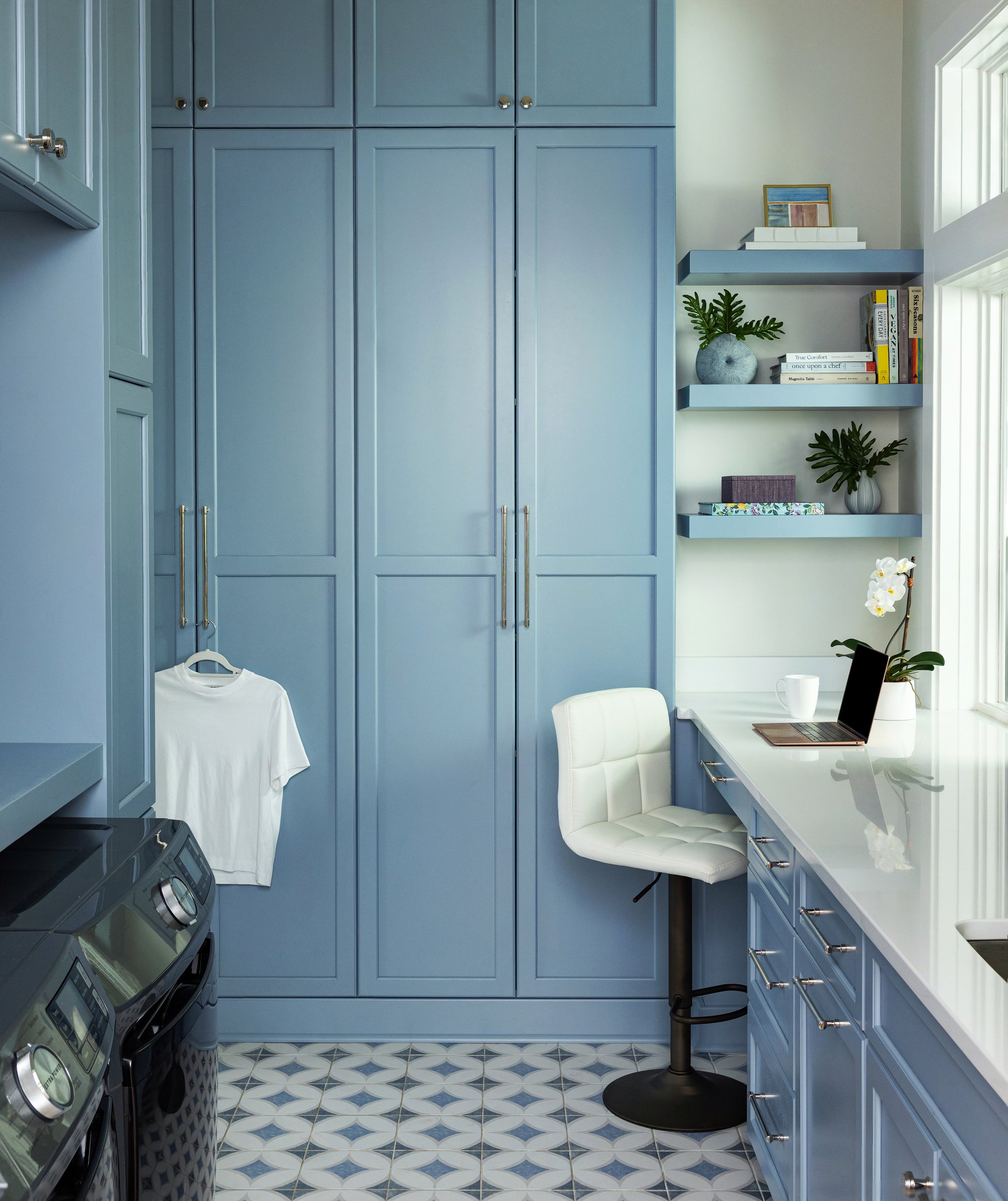
Beach homes are made for living fully. Long days on the water, sandy feet, wet swimsuits, and gear that travels in and out constantly. Managing all of that without a dedicated transition space is a daily frustration that adds up quickly. Mudrooms solve this problem by creating a functional buffer zone between the outdoors and the main living areas of the home.
In coastal homes, where sand, salt, and moisture are a constant presence, a well-designed mudroom delivers practical value that goes well beyond what it offers in a typical inland residence.
Why Coastal Homes Need Mudrooms More Than Most
The case for mudrooms in beach homes is straightforward. Coastal living generates a specific category of mess that accumulates at the entry points of the home every single day. Sand tracked across hardwood floors works its way into finish surfaces and causes premature wear.
Wet towels and swimsuits draped over furniture create moisture problems in living areas. Surfboards, paddleboards, fishing gear, and beach chairs need a home that keeps them accessible without cluttering primary spaces. A dedicated mudroom intercepts all of this at the threshold, keeping the rest of the home clean, organized, and comfortable.
According to the National Association of Home Builders, mudrooms and laundry entry spaces consistently rank among the top requested features in new home construction, and that demand is even more pronounced in coastal markets.
Positioning Mudrooms for Maximum Efficiency
Placement is one of the most important design decisions in a coastal mudroom. The most effective mudrooms in beach homes are positioned at the entry point most frequently used after outdoor activity. For waterfront homes, that is often a rear entry off a deck, dock, or pool area rather than the front door.

Homes near the beach frequently feature a side entry that connects to an outdoor shower, making the transition from beach to interior a clean, sequential process. When the mudroom is positioned correctly, it becomes the natural first stop after any outdoor activity.
Designing it into the floor plan from the start, rather than carving it out of an existing space during renovation, allows for optimal sizing, plumbing access, and connection to adjacent spaces like the laundry room or garage.
Mudroom Flooring That Handles Sand, Salt, and Moisture
Flooring is the most heavily used surface in any mudroom and requires materials that can handle constant abuse in a coastal environment. Large-format porcelain tile is the most practical choice for coastal mudrooms. It resists moisture, cleans easily, and holds up to the abrasive effects of sand and salt without degrading.
Textured or matte finishes provide better traction underfoot when floors are wet, reducing slip risk for children and adults coming in from the water. Grout lines should be sealed and kept minimal through the use of larger tile formats, as unsealed grout collects sand and salt residue over time.
Avoid natural stone finishes that require regular sealing or that are sensitive to salt exposure. The right flooring choice in a coastal mudroom requires almost no maintenance beyond routine cleaning.
Built-In Storage Designed for Coastal Gear
Storage design in a beach home mudroom must account for the specific volume and variety of gear that coastal living generates. Open cubbies at multiple heights accommodate everything from adult beach bags and wetsuits to children's sandals and pool toys.
Deep hooks rated for heavy loads handle wet towels, drysuits, and life jackets without pulling from the wall over time. Bench seating with storage underneath provides a place to sit while removing footwear and conceals bulky items like fins, goggles, and sand toys behind closed doors or drawers.
A dedicated surfboard rack or paddle storage system, either wall-mounted or freestanding, keeps large equipment organized and off the floor. In Wilmington, NC, where outdoor recreational activity spans most of the calendar year, storage capacity in the mudroom directly affects how organized and functional the rest of the home feels.
Outdoor Showers and Their Connection to Mudroom Design
The outdoor shower is a standard feature in coastal homes, and its relationship to the mudroom entry deserves careful planning. Ideally, the outdoor shower is positioned immediately adjacent to the mudroom entry door, creating a rinse-first, enter-second sequence that keeps the majority of sand and salt outside the home entirely.

A covered transition area between the outdoor shower and the mudroom door protects this zone from rain and provides a place to hang towels and leave wet footwear before entering. Connecting the mudroom to the outdoor shower through thoughtful site planning is one of the most functional decisions a coastal homeowner can make during the design phase. It establishes a habit-forming routine that keeps the interior dramatically cleaner over time.
Laundry Integration in Coastal Mudrooms
Combining mudroom and laundry functions in a single space is a highly practical layout strategy for beach homes. Wet towels, swimsuits, and sun-protective clothing can move directly from the entry area into the wash cycle without traveling through the rest of the home.
A stacked washer and dryer unit or side-by-side configuration can be tucked behind cabinet doors in a mudroom of modest size, keeping the laundry function present without visually dominating the space. A utility sink adjacent to the laundry provides a place to rinse sandy or salt-crusted items before washing.
In homes with larger footprints, a full laundry room accessible directly from the mudroom achieves the same benefit with more capacity and dedicated folding space.
Build a Mudroom That Works as Hard as You Play
At Konrady & Son Construction, we build custom homes and renovations across Wilmington, NC, with a clear focus on livability at every level. Our team works with clients to design mudrooms and transition spaces that fit their specific lifestyle, gear, and daily routines.
From floor plan positioning and storage configuration to tile selection and laundry integration, we build spaces that make coastal living cleaner, more organized, and more enjoyable from day one. Contact us today and let us begin planning for your next renovation.