The Importance of Proper Ventilation in Coastal Homes
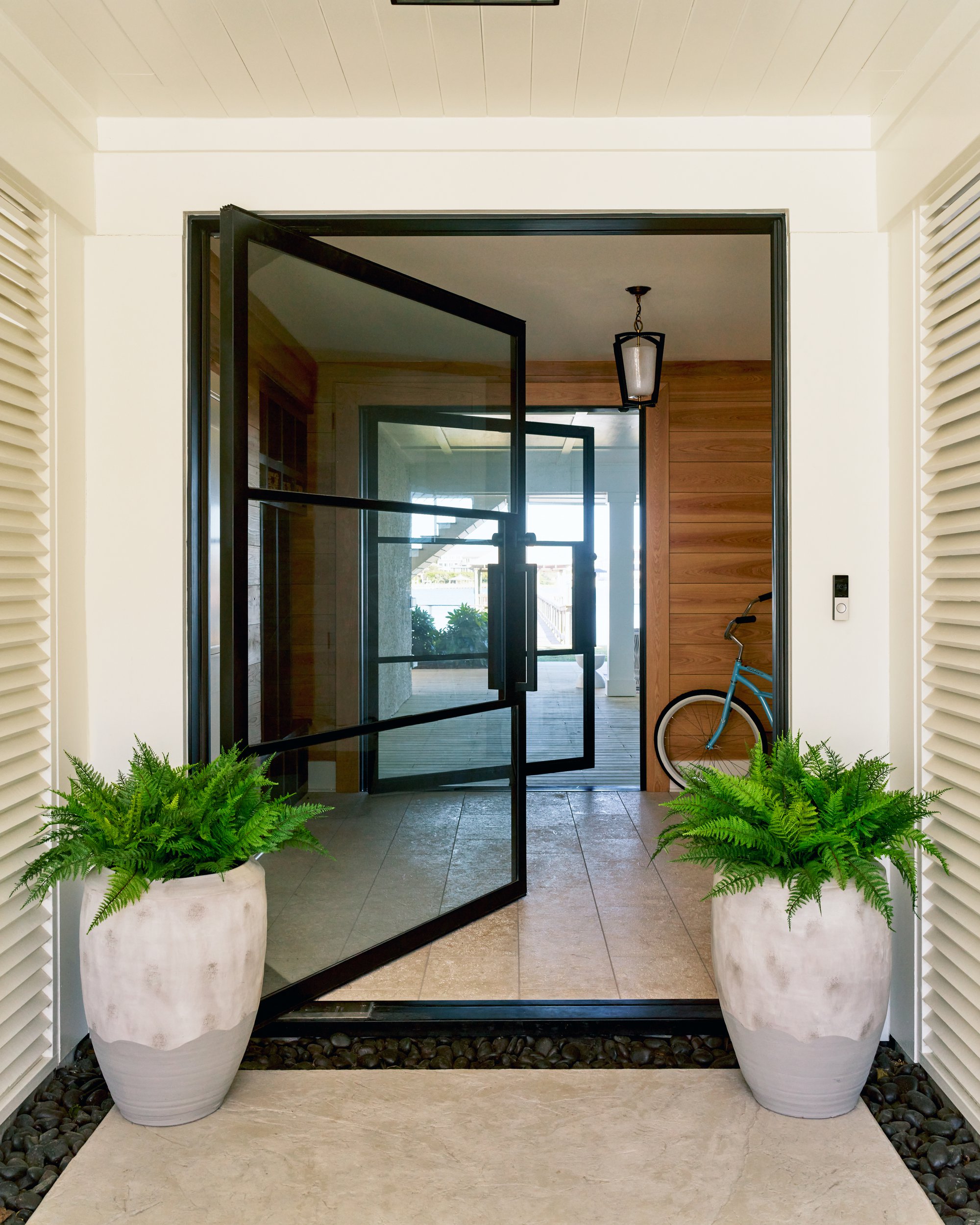
Homes near the coast face environmental conditions that differ greatly from inland properties. Constant humidity, salt air, heat, and seasonal storms all affect how homes perform over time. For many coastal homes, proper ventilation plays a major role in protecting comfort, structural durability, and indoor air quality. Airflow affects everything from moisture control to energy efficiency, especially in humid coastal climates.
Without adequate ventilation, homes can trap excess moisture inside walls, attics, and living spaces. Over time, this can contribute to mold growth, wood deterioration, and poor indoor comfort.
This article explores why ventilation matters in coastal environments and how thoughtful design choices support healthier, longer-lasting homes. It also explains how ventilation planning influences both new construction and renovation projects.
Why Coastal Homes Experience Higher Moisture Levels
Coastal climates naturally contain more airborne moisture than many inland regions. Humidity levels remain elevated for long periods, especially during warmer seasons. When moisture enters a home without proper airflow, it becomes trapped inside enclosed spaces. Attics, crawlspaces, and wall cavities are especially vulnerable to moisture buildup over time.
Daily activities also increase interior humidity. Cooking, bathing, laundry, and even normal occupancy release moisture into the air throughout the day. In coastal homes, ventilation systems must manage both exterior humidity and interior moisture generation. Balanced airflow helps reduce long-term strain on the structure and living environment.
How Ventilation Protects Coastal Homes From Structural Damage
Moisture-related damage often develops gradually. Homeowners may not notice problems until staining, warping, or mold becomes visible inside the home.
Ventilation helps regulate temperature and humidity levels within enclosed areas. Attics, roof systems, and crawlspaces all benefit from steady airflow that prevents condensation buildup.

Without proper ventilation, trapped moisture can weaken framing materials and reduce insulation performance. Over time, repeated exposure accelerates wear across structural components. Roof systems are particularly sensitive to poor airflow. Excess heat and moisture trapped beneath roofing materials can shorten roof lifespan and increase maintenance needs.
Airflow and Indoor Comfort in Coastal Homes
Ventilation also affects daily comfort throughout the home. Stagnant indoor air often feels heavy, humid, and inconsistent from room to room. Proper airflow supports healthier indoor conditions by reducing excess moisture and improving air circulation. This creates more stable temperatures across living spaces.
Natural ventilation strategies can improve comfort significantly. Window placement, ceiling height, and room orientation all influence how air moves through the home. Mechanical systems also play an important role. Exhaust fans, HVAC design, and dehumidification systems work together to maintain balanced indoor conditions.
Ventilation Design Features
Many modern coastal homes incorporate ventilation planning directly into the architectural design. These features improve performance while supporting energy efficiency and comfort.
Large windows positioned for cross-ventilation help move fresh air naturally through interior spaces. Operable windows on opposite sides of rooms improve airflow consistency throughout the day.
Elevated ceilings also contribute to better ventilation. Warm air rises naturally, allowing homes to feel cooler and less confined during humid weather. Covered outdoor spaces support airflow as well. Porches, patios, and transitional spaces help reduce heat buildup near exterior walls and entry points.
Warning Signs of Poor Ventilation in Coastal Homes
Ventilation issues are not always obvious immediately. Many signs appear gradually and worsen over time if left unresolved. Persistent humidity indoors is often one of the first indicators. Rooms may feel damp or uncomfortable even when air conditioning is running consistently.
Other warning signs include condensation on windows, musty odors, peeling paint, or visible mold growth. Flooring and trim materials may also expand or warp due to excess moisture. High energy bills can also point toward airflow problems. HVAC systems work harder when humidity levels remain uncontrolled throughout the home.

Ventilation Upgrades During Renovation Projects
Renovations create opportunities to improve airflow and moisture management. Older homes often contain outdated ventilation systems that no longer support modern performance standards. Attic ventilation upgrades are common during roofing or structural renovations. Improved intake and exhaust airflow help regulate heat and moisture more effectively.
Window replacements can also improve natural ventilation. Modern window systems allow better airflow control while supporting insulation and storm protection. Mechanical improvements matter as well. Updated HVAC systems, exhaust fans, and dehumidifiers help maintain healthier indoor conditions year-round.
Building Coastal Homes With Long-Term Performance in Mind
Ventilation affects far more than comfort inside a coastal home. Proper airflow helps regulate moisture, protect structural materials, and support healthier indoor living conditions. Homes designed with ventilation in mind often perform better over time. They experience fewer moisture-related problems and maintain more consistent comfort throughout changing seasons.
Both new construction and renovation projects benefit from early ventilation planning. Thoughtful airflow strategies improve durability while supporting energy efficiency and long-term livability.
At Konrady & Son Construction, we design and renovate coastal homes with long-term performance in mind. From airflow planning to moisture management, our team focuses on building custom spaces that remain comfortable, durable, and functional through changing coastal conditions. Let us build the home of your dreams. Reach out today.