Creating Flexible Rooms That Adapt as Your Family Changes
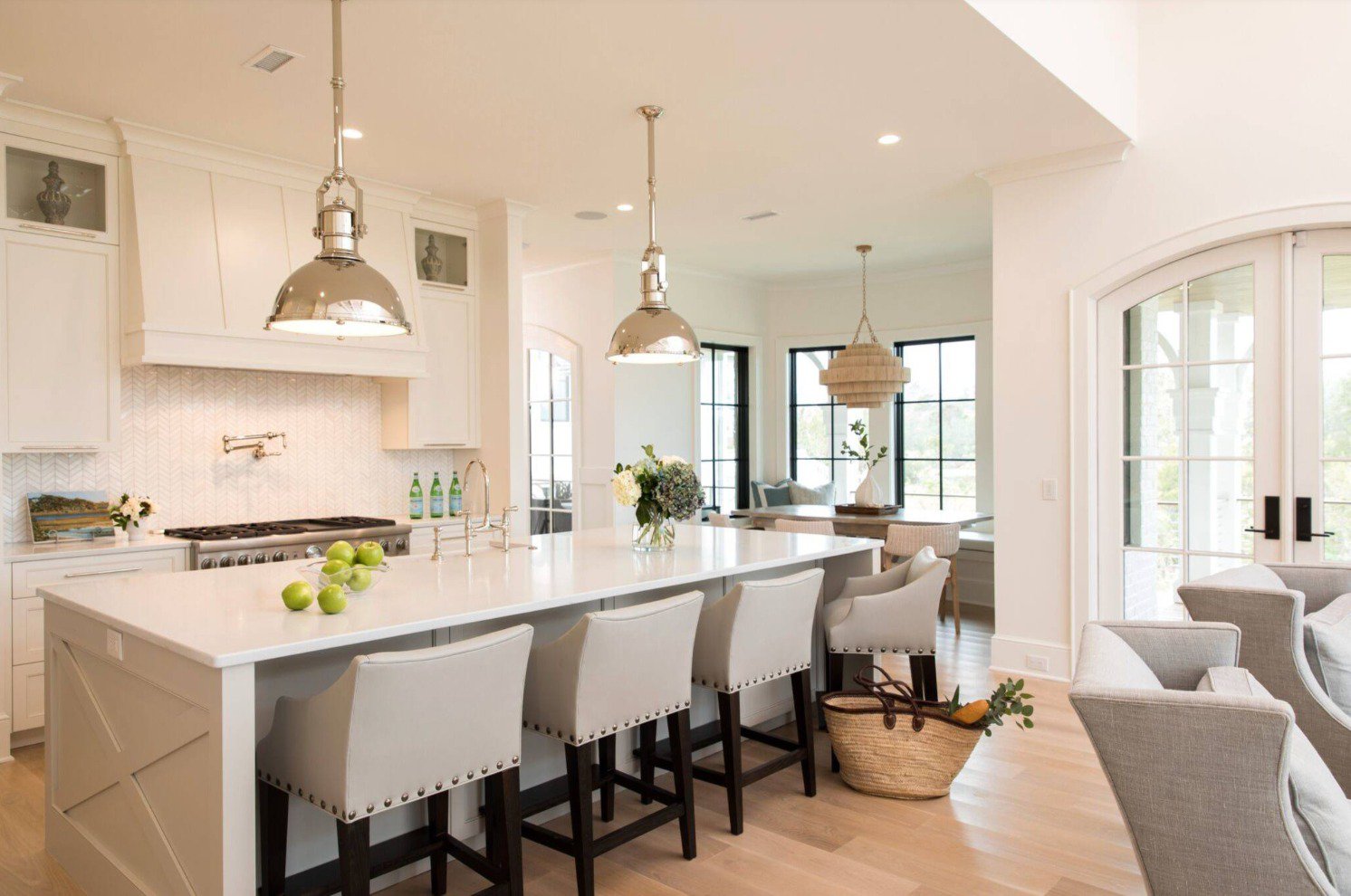
Homes are constantly evolving as daily routines, priorities, and space requirements shift over time. What works today may need to function differently in just a few years, making adaptability an important part of long-term design. Incorporating flexible rooms into a home allows spaces to adjust as needs change without requiring major renovations. With thoughtful planning, these rooms can support a variety of uses while maintaining comfort, organization, and efficiency.
Support Multi-Purpose Living with Flexible Rooms
Flexible rooms are most effective when they are designed with multiple uses in mind from the start. Instead of assigning a single function, these spaces are planned to transition easily between activities.
A guest room can double as a home office, providing a quiet workspace during the day and comfortable accommodations when needed. Similarly, a playroom can evolve into a study area or media room as routines change.
Layout plays a key role in this adaptability. Open floor space, neutral design elements, and accessible storage make it easier to shift between uses without requiring major adjustments. This approach ensures that the room remains useful over time.
Flexible Rooms and Smart Furniture Choices
Furniture selection has a direct impact on how adaptable a space can be. Choosing pieces that serve multiple functions helps maximize usability without increasing square footage.
Fold-out desks, wall beds, and modular seating allow rooms to transform quickly. These solutions provide flexibility while maintaining a clean and organized appearance. Lightweight or movable furniture also makes it easier to reconfigure layouts as needed.

Built-in features can further enhance functionality. Custom cabinetry or integrated seating provides storage and usability without taking up unnecessary space. These additions help maintain a balance between practicality and design.
Selecting the right furniture ensures that flexible rooms can adapt efficiently to different needs.
Rooms Designed with Storage in Mind
Storage is essential for maintaining flexibility. Without proper organization, multi-purpose spaces can quickly become cluttered and difficult to use.
Built-in storage solutions help keep items accessible while maintaining a streamlined appearance. Shelving, cabinets, and hidden compartments allow different uses to coexist within the same space.
Closets can be designed with adjustable systems that accommodate changing needs. As the function of the room evolves, storage can be reconfigured to support new activities.
Effective storage planning ensures that transitions between uses are simple and efficient, allowing the room to remain functional at all times.
Adaptable Layouts and Dividers
The ability to adjust the layout of a room enhances its versatility. Design elements that allow for separation or openness provide greater control over how the space is used.
Sliding doors, folding partitions, or movable screens can divide a room when privacy is needed. When opened, these features create a larger, more open area for shared activities.
Zoning within the room also improves functionality. Defining areas for different purposes, such as work and relaxation, helps maintain organization without requiring permanent walls.
Adaptable layouts ensure that flexible rooms can accommodate both individual and shared activities without compromising comfort.
Flexible Rooms That Evolve with Technology and Work Needs
Technology continues to influence how spaces are used within the home. Flexible rooms can support these changes by incorporating infrastructure that accommodates evolving needs.
Adequate electrical outlets, charging stations, and internet connectivity are essential for modern functionality. Planning for these elements ensures that the room can support work, entertainment, and communication.
Lighting also plays an important role. Adjustable lighting options allow the space to shift between tasks, from focused work to relaxed settings. These features contribute to a more comfortable and efficient environment.
Designing with technology in mind ensures that flexible rooms remain relevant as usage patterns change.
Flexible Rooms That Balance Privacy and Connection
A well-designed home provides both shared spaces and areas for privacy. Flexible rooms can help achieve this balance by adapting to different levels of interaction.
During busy periods, these rooms can serve as quiet retreats for work or relaxation. At other times, they can open up to support group activities or social gatherings.

Sound control is another important factor. Incorporating insulation or acoustic treatments helps reduce noise, making the space more comfortable for a variety of uses.
Balancing privacy and connection allows flexible rooms to support a wide range of activities without disruption.
Why Flexible Rooms Add Long-Term Value
Flexible rooms contribute to the long-term usability and value of a home. As needs change, these spaces can adapt without requiring major renovations or expansions.
This adaptability makes the home more efficient and easier to manage over time. It also increases appeal by offering a level of versatility that supports different lifestyles.
Investing in flexible design ensures that the home remains functional and relevant, even as circumstances evolve. This approach supports both immediate comfort and future planning.
Design Spaces That Grow with You
Flexible rooms provide a practical solution for creating homes that adapt over time. By focusing on layout, storage, furniture, and technology, these spaces support a wide range of uses while maintaining efficiency and comfort.
Konrady & Son Construction designs custom homes and renovations with flexibility in mind, ensuring that every space delivers long-term value and usability. We create thoughtful layouts that evolve with changing needs while maintaining quality and durability.
Let us help you create the family home of your dreams. Contact us today and let’s get started.