The Shift Toward Smaller, Smarter Homes in Coastal Communities
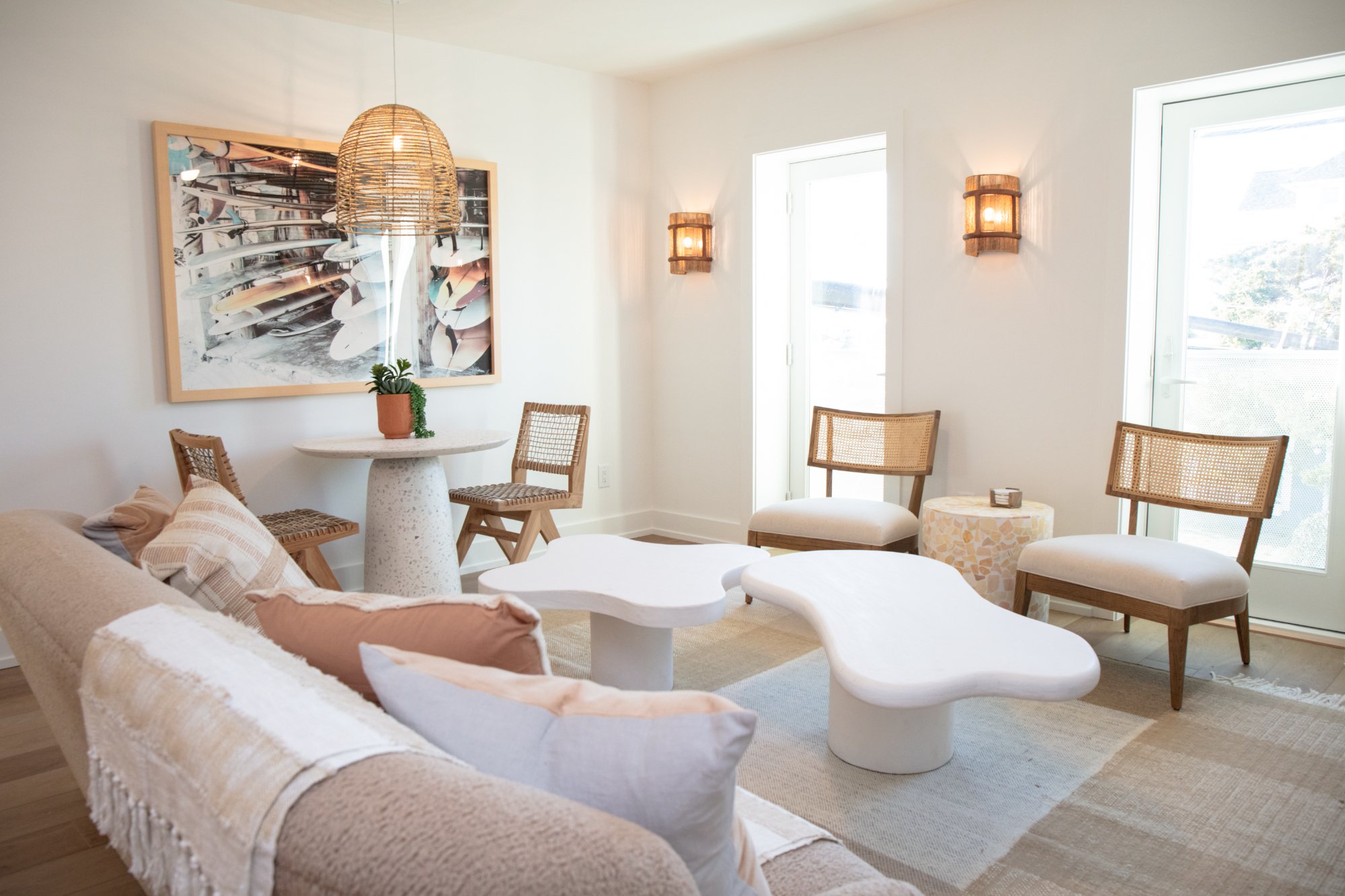
Along North Carolina’s shoreline, the trend toward small homes continues to reshape the way coastal communities build and live. These homes are not defined by limitation but by intention. They prioritize thoughtful design, efficient use of space, and sustainability. As homeowners increasingly look for properties that support both lifestyle and long-term value, the appeal of smaller, smarter construction has grown rapidly.
The shift reflects the realities of coastal living. Building near the ocean brings unique challenges, from storm exposure to rising maintenance needs. Smaller homes offer opportunities to focus on quality rather than scale, making them easier to protect, maintain, and personalize. Many new coastal properties embrace this direction because it allows families to enjoy the benefits of coastal life without the burden of excessive size or upkeep.
Why Coastal Communities Are Embracing Smaller Homes
Coastal areas thrive on simplicity and connection to the environment. Smaller homes enhance this connection by reducing footprint and encouraging more efficient layouts. Homeowners appreciate how modest square footage brings attention to details that elevate comfort, function, and style. Spaces are easier to cool, easier to maintain, and often more energy efficient.
In markets like Wilmington, land availability and construction costs also influence design choices. Smaller homes allow families to live close to the water while staying within budget. At the same time, advances in engineering and design make it possible to build homes that feel spacious even when their square footage remains modest.
While some buyers once equated size with luxury, the trend now leans toward purposeful, streamlined spaces. The qualities that matter most include durability, safety, and smart resource use. Smaller homes are able to deliver these advantages without compromising aesthetics.
Efficient Home Design That Maximizes Every Inch
Thoughtfully planned layouts are at the heart of efficient home design. Builders and architects work together to create spaces that are bright, open, and practical. Natural light plays a major role in this process. Large windows, glass doors, and open sightlines make rooms feel larger and more inviting.
Multipurpose spaces are another key feature. A dining area may blend into a workspace, or a hallway nook might become a reading corner. Storage is integrated into staircases, seating, and built-in cabinetry, allowing the home to stay clutter-free without adding square footage.
Careful placement of rooms also improves comfort. Many small coastal homes position bedrooms away from busy gathering spaces or use sliding doors to create privacy when needed. The result is a home that feels balanced and adaptable.

Compact Luxury That Reflects Modern Coastal Living
Smaller homes invite creativity, especially in the realm of finishes and fixtures. With less square footage to cover, homeowners can invest in higher-quality materials. This trend toward compact luxury gives coastal homes a polished finish that reflects both personal style and environmental awareness.
Details like quartz countertops, custom cabinetry, durable flooring, and high-performing windows elevate the interior. Bathrooms often feature spa-inspired elements, and kitchens benefit from streamlined layouts with top-tier appliances. These materials and features perform well in coastal settings, where humidity, salt air, and heavy use can wear down less durable products.
Outdoor spaces also become part of the living experience. Even with a smaller interior footprint, decks, screened porches, and patios extend usable space and enhance everyday enjoyment. These areas often rely on weather-resistant materials, making them the ideal complement to smaller coastal homes.
Tiny Coastal Homes and Their Growing Appeal
The rise of tiny coastal homes represents the most compact end of the small home trend. These homes emphasize sustainability, affordability, and minimal environmental impact. They appeal to homeowners drawn to simplicity or those investing in vacation properties that prioritize location over size.
Tiny coastal homes often require even greater attention to design. Builders must consider storage, layout, and natural light with precision. Despite their size, they provide comfort and function through customized solutions. Built-in seating, wall-mounted fixtures, and convertible furnishings allow tiny homes to perform like larger spaces.
While tiny homes are not for everyone, they showcase the potential of efficient design and inspire innovations that benefit homes of all sizes.
Sustainability and Coastal Responsibility
Environmental stewardship is woven into the design of many small coastal homes. Sustainable building practices support healthier living environments and reduce long-term maintenance demands. Smaller homes naturally require fewer materials, reducing construction waste and embodied energy.
Energy-efficient systems further improve sustainability. High-quality insulation, airtight construction, and efficient HVAC equipment help maintain indoor comfort even during hot and humid coastal summers. Many homeowners also incorporate solar panels, rainwater harvesting systems, and durable exterior materials that reduce future repair needs.
This thoughtful approach helps protect both the environment and the home. Coastal conditions test resilience, and sustainable materials tend to outperform others in durability and longevity.

Smarter Layouts for Coastal Conditions
Smaller coastal homes must respond to the realities of weather, flood risk, and humidity. Builders design layouts that support ventilation, moisture control, and elevated living. Even modest homes often include raised foundations that support better airflow and protect the property from flood risk.
Interior materials are chosen for their ability to withstand moisture and daily wear. Tile, engineered wood, and composite trim products perform well in coastal conditions, reducing the likelihood of warping or mold growth. Kitchens and bathrooms benefit from materials that hold up to humidity and frequent use.
Together, these elements help the home function better in coastal climates and stand strong year after year.
Technology That Enhances Small Coastal Homes
Advances in technology have made small homes smarter and more efficient. Smart thermostats, automated lighting, and home monitoring systems support convenience and energy savings. Remote access allows owners to check their home’s status from anywhere, which is especially important for vacation properties or second homes.
Appliances designed for compact spaces offer full functionality without overwhelming the room. Modern induction cooktops, space-saving refrigerators, and built-in microwave drawers keep kitchens open and versatile. In living areas, concealed storage solutions help maintain visual balance without reducing usable space.
Each upgrade reflects the central goal of small home design. Less wasted space, more versatility, and better performance.
Why the Shift Toward Smaller Homes Continues
The interest in small homes reflects a broader desire for meaningful, sustainable, and comfortable living. Coastal communities embrace this shift because it aligns with the rhythm of coastal life. Smaller homes invite easier upkeep, better energy use, and stronger connections to the landscape.
Homeowners appreciate the freedom that comes from managing a space that feels intuitive and manageable. Builders benefit from focusing on craftsmanship and detail. As the trend grows, small homes continue to showcase the exciting possibilities of efficient, coastal-inspired design.
At Konrady & Son Construction, we bring expertise and craftsmanship to projects that celebrate thoughtful design. Whether building new or transforming an existing space, we prioritize layouts and materials that support long-term performance. Every home we build reflects the values of coastal living and the creativity of modern construction. Get in touch today.