The Rise of Biophilic Design in Home Construction
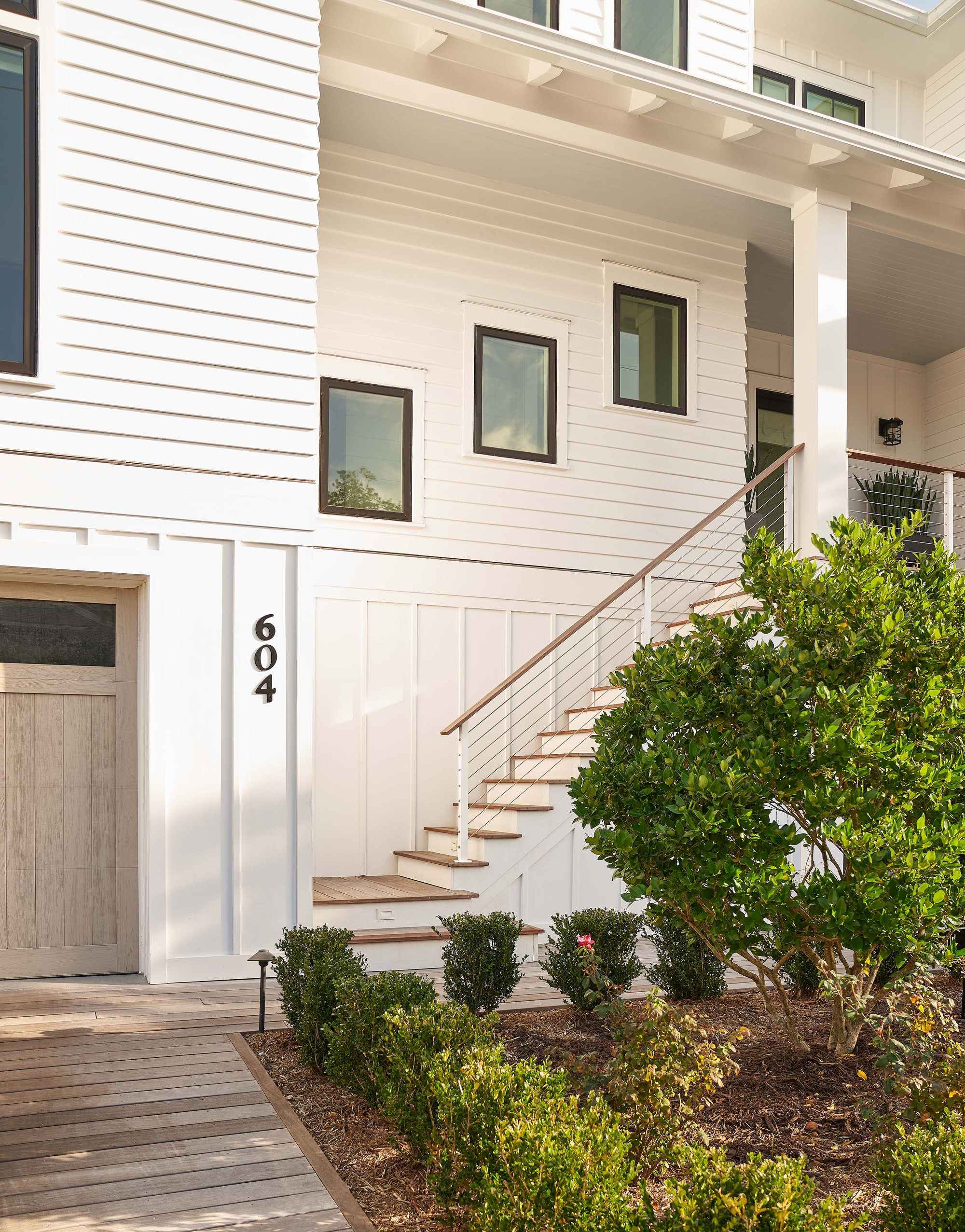
Homes along the North Carolina coast have always drawn inspiration from their natural surroundings, but the growing interest in biophilic home design is transforming the connection between indoor comfort and the outdoor world. This approach blends architecture with natural textures, daylight, and organic materials to create environments that feel healthier, calmer, and more grounded. As homeowners search for ways to bring the serenity of the coastline into their everyday lives, biophilic design has become one of the defining influences in modern coastal construction.
The motivation behind this design movement is simple. People want homes that feel connected to nature rather than separated from it. They value airflow, warm sunlight, views of greenery or water, and materials that create a sense of harmony. Biophilic design answers that desire while also improving the way a structure performs over time.
Biophilic Home Design and Its Growing Influence
Biophilic design focuses on the human relationship to nature. In coastal regions, this relationship is especially powerful. The shoreline, marshlands, and forests provide color, texture, and movement that guide architectural choices. Large windows, open layouts, and natural finishes blend exterior elements with interior spaces, allowing the home to feel alive and responsive.
The idea centers on more than visual appeal. Homes built with biophilic principles often promote well-being because they reflect the rhythms of the environment. Natural airflow, abundant daylight, and organic material choices create settings that feel calming and restorative. These qualities make biophilic design an appealing direction for new construction and renovations alike.
Natural Light Interiors in Coastal Homes
Light is one of the strongest elements of biophilic design, especially in coastal regions known for bright skies and sweeping horizons. Natural light interiors highlight the beauty of a home’s layout, making rooms feel larger and more welcoming. Thoughtfully placed windows capture morning and afternoon sun, enhancing warmth and reducing the need for artificial lighting.

Window placement is often planned with care to balance light, temperature, and views. Clerestory windows illuminate high ceilings without increasing glare. Glass doors connect living areas to outdoor spaces, creating fluid movement between inside and outside. Transoms and interior glass panels allow light to travel through rooms, supporting visual openness and reducing shadows.
Coastal homes instantly benefit from this approach. Sunlight reflects off nearby water and sand, creating dynamic patterns that shift throughout the day. These natural movements add a sense of life to every room.
Material Choices That Support Biophilic Home Design
The materials used in a home play an important role in the sensory experience of a space. Coastal biophilic design relies on organic textures that feel authentic and comfortable. Wood tones, stone finishes, clay tile, and natural fabrics create softness and warmth. These materials express the environment they come from and build a sense of permanence within the home.
Choosing these materials also supports durability, especially in coastal climates. Products that originate from nature tend to react more predictably to humidity and temperature changes. They retain their form and age gracefully, becoming richer over time. Builders familiar with coastal conditions select materials that balance beauty with performance, ensuring that a home’s interior stays strong while capturing the essence of nature.
Sustainable Architecture and Its Connection to Biophilic Design
Biophilic design often aligns naturally with sustainable architecture. Both approaches prioritize long-term environmental health and consider how the home interacts with the landscape. Sustainable choices may include high-performing insulation, low-VOC finishes, recycled materials, or energy-efficient systems. These features reduce a home’s environmental footprint while improving interior air quality.
Material sustainability goes beyond energy performance. Longevity is one of the most important considerations in coastal building. Materials must withstand salt air, humidity, and shifting temperatures. Products chosen for biophilic homes often meet these requirements, reducing maintenance needs and reinforcing the home’s connection to the natural world.
These environmentally conscious decisions create homes that function better, last longer, and feel more grounded.
Open Layouts That Encourage Flow
Biophilic design and open layouts complement each other effortlessly. Open floor plans promote movement, airflow, and visibility, which are core elements of natural design. They help daylight reach deeper into the home and encourage interaction with outdoor spaces.
In coastal homes, an open layout also maximizes views. Living areas often face the water, marsh, or trees, and removing barriers enhances the visual relationship to those outdoor landscapes. When windows stretch across multiple walls or connect to a deck, the home feels larger and more connected to its surroundings.
This simplicity in layout invites calmness and clarity. Fewer walls, fewer transitions, and fewer visual obstructions allow the space to feel like a thoughtful extension of the environment.
Biophilic Home Design Elements in Renovations

Older homes along North Carolina’s coast often benefit from biophilic updates. Renovations that add new windows, adjust room layouts, or incorporate natural materials can dramatically shift the feel of an existing home.
Replacing older flooring with wood or stone enhances warmth and texture. Opening walls to create continuous sightlines improves airflow and increases natural light. Landscaping updates around the home can improve views from interior rooms, making each window frame feel intentional and scenic.
These renovations support coastal living by strengthening the connection between the built environment and nature. They also align with the trend toward healthier, more efficient homes that perform well in changing climates.
Why Biophilic Home Design Continues to Grow
The rise of biophilic design reflects a desire to slow down, live intentionally, and create homes that feel like retreats. Coastal communities value this approach because it mirrors the qualities that make coastal living appealing. The sound of nearby water, the warmth of sunlight, and the softness of natural textures all contribute to a sense of peace.
Biophilic homes are not limited by style. They fit seamlessly into modern, transitional, or traditional architecture. The approach is flexible, allowing homeowners to personalize while maintaining a strong connection to nature.
Builders appreciate how biophilic principles create efficient, long-lasting, and visually cohesive homes. Homeowners value how these principles elevate everyday living. It is a design direction that continues to grow because it makes homes feel genuinely lived in, purposeful, and connected.
At Konrady & Son Construction, we bring biophilic principles into the design and construction process through natural materials, thoughtful layouts, and careful attention to the coastal environment. Every project is an opportunity to create spaces that feel both comfortable and inspiring.
Ready to create your dream home? Get in touch today.