Modular Coastal Homes: The New Standard for Building Along the Shore
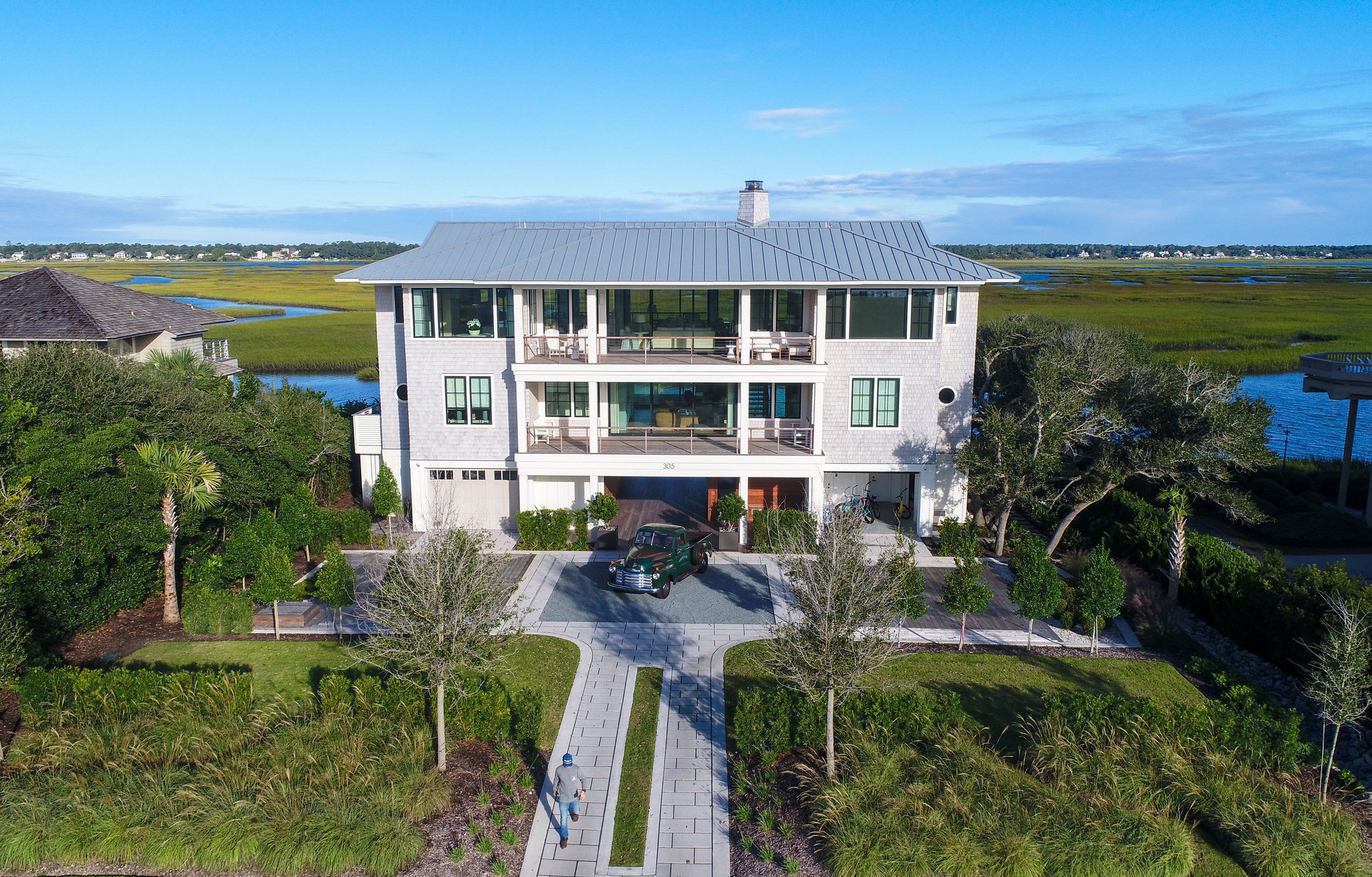
Modular coastal homes are changing the way shoreline properties are built, blending precision engineering with faster timelines and consistent quality. Along coastal regions, where weather patterns, rising costs, and land availability influence building strategies, this construction method offers a structured alternative to traditional stick-built homes. Factory-controlled construction paired with on-site assembly creates a dependable process well-suited for environments that demand durability and efficiency.
Unlike conventional builds that rely heavily on unpredictable weather conditions, modular construction begins off-site. Sections of the home are fabricated indoors, allowing materials to remain dry and protected while skilled technicians follow detailed plans to exact measurements. Once completed, these modules travel to the building site for placement and final assembly. The result is a construction process that reduces delays while maintaining high standards for performance.
How Modular Coastal Homes Perform in Harsh Coastal Environments
Coastal locations place exceptional demands on home construction. High winds, salt air, moisture exposure, and shifting ground conditions test even the strongest structures. Modular homes address these challenges through strict quality controls during fabrication. Structural components are assembled with consistent oversight that supports strength and alignment.

Every module is engineered to meet local construction codes, which include wind resistance, elevation requirements, and flood zone standards. Precision manufacturing improves load distribution and reduces structural inconsistencies that sometimes occur during traditional field construction. When modules come together on-site, the fitted joints and reinforced connections form a cohesive structure built to withstand coastal forces.
Coastal climates also demand advanced moisture barriers and material selection. Modular building techniques allow insulation, vapor retarders, and framing systems to be installed with greater accuracy. Tighter construction promotes better energy efficiency while reducing the risk of mold and corrosion.
Speed Matters in Modular Coastal Homes
Time affects cost, quality, and scheduling for any construction project. Building along the coast often means narrowing the work window due to storms, permitting approvals, and material availability. Modular methods shorten project timelines by enabling on-site and off-site work to occur simultaneously. While foundations and utilities are prepared at the homesite, factory teams complete the structure.
This approach reduces total build time significantly and minimizes the risk tied to prolonged weather exposure. Faster completion also allows new homes to reach occupancy sooner, benefiting homeowners who want to move or rent without extended delays.
Customization and Flexibility Through Modular Coastal Homes
One of the largest misconceptions about modular homes involves design limitations. Modern modular systems offer a wide range of floor plans, architectural styles, and layout options. Interior finishes, exterior materials, and roof styles allow homes to reflect both personal taste and regional aesthetics.
Design teams work alongside engineers to adapt modular layouts to shoreline living needs. Elevation requirements, outdoor living spaces, and garage placement integrate seamlessly into custom designs. Large windows, open living areas, and durable finishes preserve coastal character without limiting creative direction.
Even after delivery, modifications are possible. Additional modules expand living areas as needs change. Modular homes grow with families rather than forcing relocation when more space becomes necessary.
Cost Control with Predictable Building Systems
Construction pricing remains one of the most challenging aspects for property owners. Market volatility often leads to fluctuating material costs and labor shortages. Modular building reduces that uncertainty. Because large portions of the home are built within factory settings, bulk material purchases and consistent staffing stabilize pricing.
Controlled workflows lower onsite labor hours, reducing overhead expenses. Homeowners also avoid many unforeseen repair costs that arise during long on-site builds. Reduced weather damage during construction further protects budgets from surprise expenses.
Predictable cost structures appeal to anyone aiming for clarity during a build. Modular construction simplifies budgeting earlier in the process and maintains steadier financial planning.
Environmental Benefits and Energy Efficiency
Environmental responsibility increasingly influences construction decisions. Modular buildings use materials more efficiently due to accurate measurements and controlled processes. Reduced waste limits landfill contribution while careful planning trims excess purchases.
Energy performance improves from precisely fitted insulation and airtight construction. Long-term efficiency lowers heating and cooling costs while increasing indoor comfort throughout changing seasons.
Prefabricated construction NC projects often incorporate local standards for sustainability, aligning energy codes with environmental protection initiatives.
Inspection Standards and Quality Assurance
Modular homes undergo rigorous inspections during each production stage. Factories conduct evaluations before, during, and after assembly to verify accuracy at every step. On-site inspections continue once the modules arrive for installation.
Multiple checkpoints increase accountability and track quality metrics. Each component travels through documentation before placement. This transparency ensures homeowners receive a product that meets regulatory requirements along with construction best practices.
Quality assurance extends to interior finishes, electrical systems, and structural elements. Modular does not sacrifice craftsmanship for efficiency. The production process elevates oversight rather than replacing it.

Logistics and Installation Planning
Transporting modules requires precise coordination. Modules arrive on specially designed trailers and are lifted into place using cranes. Installation often takes only days, depending on project scope and weather conditions. Once the structure is secured, connection work for plumbing, electrical systems, and exterior finishing begins.
On-site disruption remains minimal compared to traditional builds. Fewer workers and shorter timelines reduce environmental impact on surrounding properties. Neighborhoods experience shorter active construction periods, and finished homes appear more quickly.
Why Modular Coastal Homes Continue Gaining Momentum
Shoreline communities require building strategies that balance resilience, efficiency, and aesthetics. Modular coastal homes answer these demands with engineered precision and practical timelines. As environmental pressures grow and construction costs rise, the modular approach offers proven advantages.
Public awareness continues to expand as completed projects demonstrate durability and beauty alongside modern convenience. Building methods once considered experimental now anchor coastal communities across the region.
Building with Confidence for the Future
Construction decisions shape lifestyle and legacy. Modular methods create reliable homes designed to meet present demands while resisting future challenges. With planned layouts, consistent quality, and cost transparency, modular construction positions homeowners for long-term success.
Konrady & Son Construction delivers modular builds, custom homes, renovations, property management, and storm protection services across the coast. Let us help you build the home of your dreams. Contact us today.