Interior Design Tips: Achieving A Modern Look
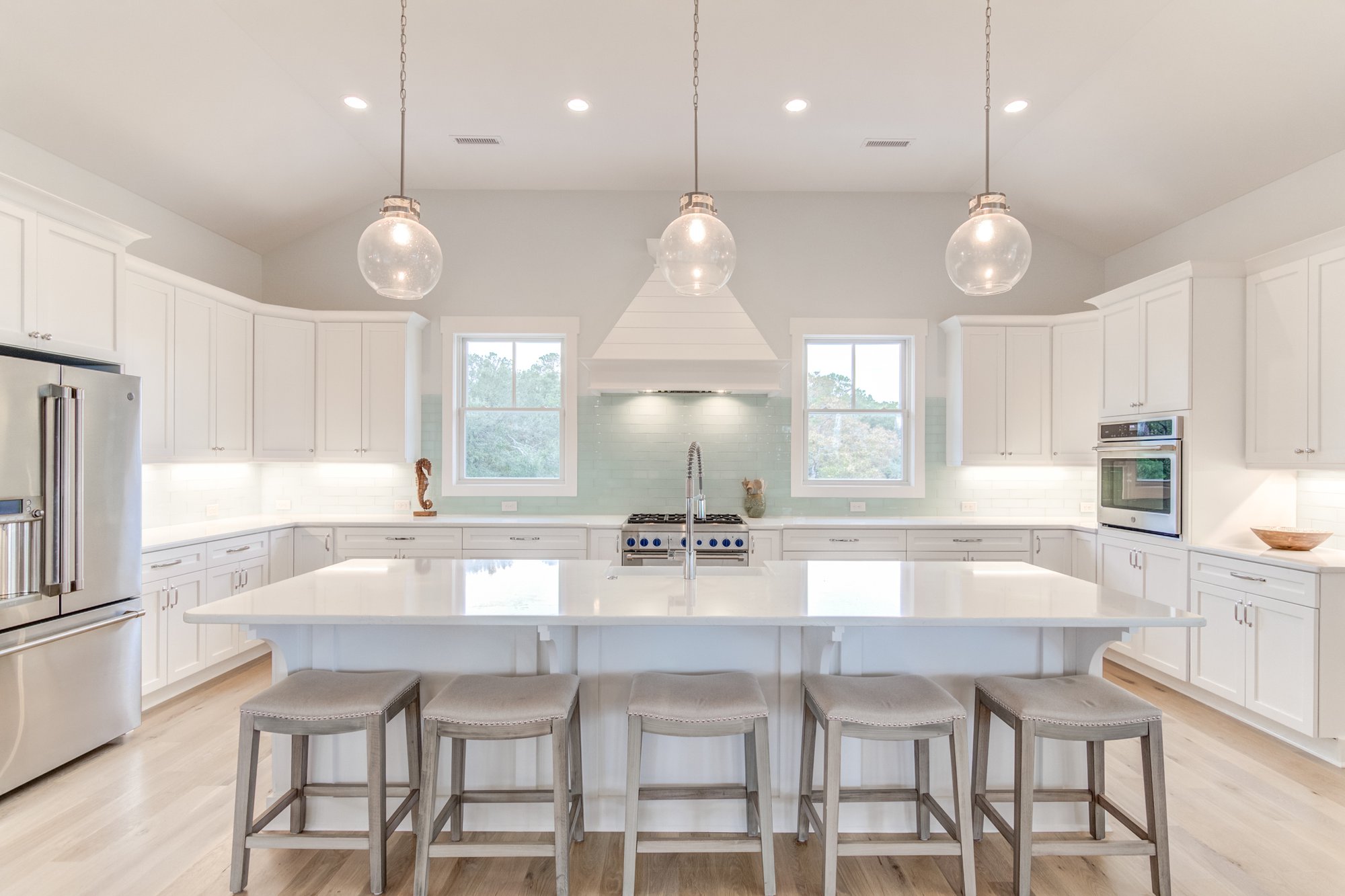
Modern interior design continues to be one of the most requested styles in residential construction and renovation. Its appeal comes from clarity, balance, and spaces that feel purposeful without being overdecorated. For homeowners seeking interior design tips, modern style works best when it is approached as a cohesive system. Color, materials, layout, furniture, and architectural features must work together rather than being selected independently.
Many modern interiors fall short when trends are layered without a guiding framework. The result can feel cold, unfinished, or visually inconsistent, even when high-quality finishes are used throughout the home.
Interior Design Tips for Establishing a Modern Color Foundation
Color sets the tone for modern interiors and should be selected with restraint and intention. Most contemporary homes rely on neutral foundations that allow architecture and materials to take center stage.
Soft whites, warm grays, taupes, and muted beiges create calm backdrops that support open layouts and natural light. These tones help spaces feel expansive rather than busy, especially in homes with large windows or high ceilings.
Contrast plays an important role, but should be used selectively. Dark accents, such as charcoal, black, or deep natural hues, work best when they define architectural elements like stair rails, window frames, or built-ins.
Consistency across rooms is essential in modern design. Repeating undertones throughout the home strengthens visual flow, particularly in open floor plans where spaces are constantly visible to one another.

Choosing Modern Materials That Add Depth
Modern interiors rely on material quality rather than ornamentation. Clean-lined spaces benefit from finishes that introduce texture and depth without unnecessary detail.
Wood remains a foundational material in modern homes, particularly in lighter or mid-tone finishes. Natural grain adds warmth and visual interest, preventing interiors from feeling overly stark or sterile.
Stone surfaces, including marble, quartz, and porcelain slabs, are commonly used for countertops and feature walls. These materials offer subtle movement and refinement while maintaining a streamlined appearance.
Supporting materials such as metal and glass should feel intentional rather than decorative. Matte finishes, brushed metals, and slim profiles reinforce modern aesthetics without drawing attention away from the overall design.
Tiles and Wallpapers in Modern Interiors
Tile selection has a significant impact on how modern spaces are perceived. Large-format tiles with minimal grout lines help maintain visual continuity, especially in kitchens, bathrooms, and open living areas.
Neutral tiles with subtle texture or soft veining work particularly well in contemporary homes. They add interest while preserving the clean, uncluttered look that modern interiors depend on.
Wallpaper is used more sparingly in modern design, but it still plays an important role. Textured or tone-on-tone wallpapers are effective in bedrooms, offices, or accent walls where depth is desired without visual distraction.
When patterns are introduced, they should support architecture rather than dominate it. In modern interiors, tile and wallpaper function as background elements that enhance form, proportion, and light.
Furniture and Layout for a Contemporary Look
Furniture selection reinforces modern design through simplicity, proportion, and placement. Clean silhouettes, low profiles, and minimal detailing allow rooms to feel open and intentional.
Modern furniture typically avoids heavy ornamentation. Pieces often feature exposed legs, streamlined upholstery, and neutral fabrics that support the surrounding architecture rather than compete with it.
Layout is just as important as furniture selection. Thoughtful spacing allows rooms to breathe and prevents overcrowding, which can undermine the clarity modern design aims to achieve.
Negative space plays a critical role in contemporary interiors. It highlights form and function while making each element feel purposeful rather than purely decorative.
Architectural Features That Define Modern Homes
Modern interior design extends beyond finishes into architectural decisions. Open floor plans are a defining feature, allowing light, movement, and sightlines to flow naturally through the home.
High ceilings amplify this openness by creating vertical balance. They enhance natural light and help neutral palettes feel expansive rather than flat or repetitive.
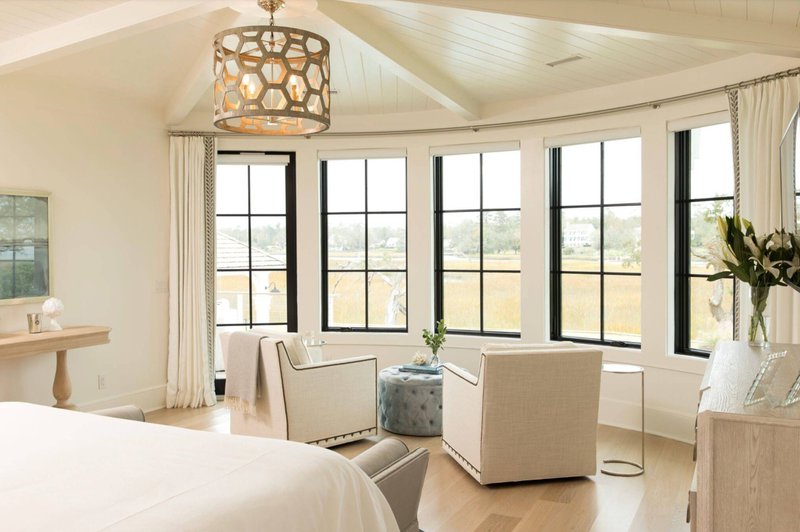
Clean lines are essential throughout modern homes. Trim profiles, cabinetry, and built-ins should feel deliberate and restrained, avoiding excessive detail or embellishment.
Minimalist aesthetics do not mean uncomfortable or bare spaces. When paired with warm materials, thoughtful lighting, and balanced proportions, modern architecture feels inviting and livable.
Common Mistakes to Avoid in Modern Interior Design
One common mistake is relying too heavily on trends. Statement features layered without a cohesive plan can quickly date a space and disrupt visual balance.
Another issue is ignoring warmth altogether. Interiors that rely exclusively on stark whites, glossy finishes, or hard surfaces often feel cold rather than refined.
Inconsistent material choices also weaken modern design. Mixing too many textures or finishes reduces clarity and makes spaces feel visually scattered.
Successful modern interiors prioritize restraint, balance, and long-term livability. Thoughtful decisions create spaces that feel current without needing constant updates.
Interior Design Tips To Help You Build Your Dream Home
Achieving a modern, contemporary look requires more than selecting the right furniture or finishes. It depends on how color, materials, layout, and architecture work together as a complete system.
When applied thoughtfully, modern design creates homes that feel calm, functional, and visually cohesive. These spaces support everyday living while maintaining a refined, current aesthetic.
At Konrady & Son Construction, modern design starts with intention. Whether you are refining interior spaces through a renovation or planning a new build from the ground up, our custom home build and renovation services can support your vision. Ready to create a modern home that feels cohesive, functional, and enduring? Contact us today.