How to Modernize a Mid-Century Beach House
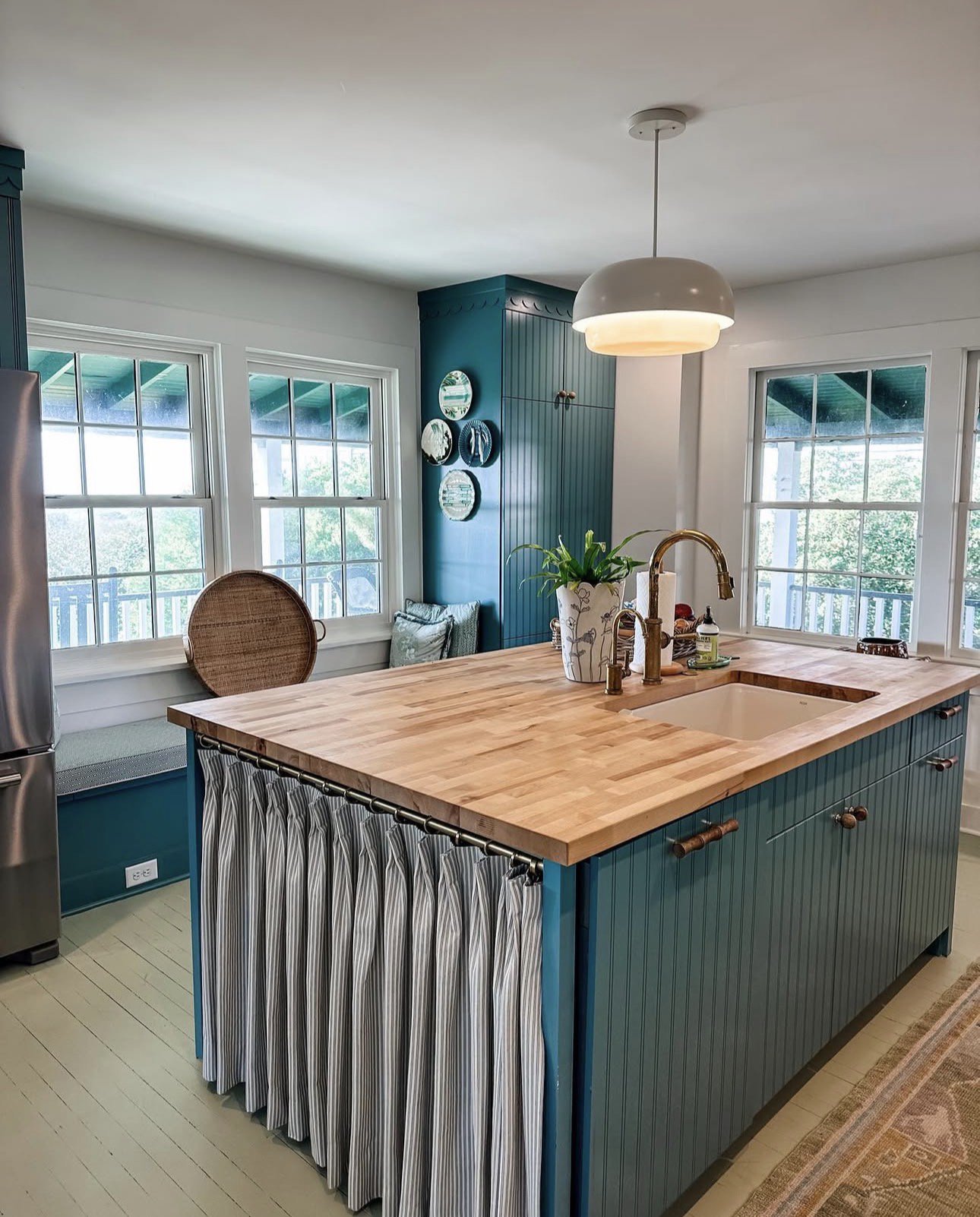
A modern beach house renovation offers the chance to refresh an older coastal home while holding onto the character that made it special in the first place. Along the North Carolina shoreline, mid-century beach houses remain popular for their airy layouts, modest footprints, and connection to the outdoors. Yet many of these homes were built long before today’s expectations for comfort, efficiency, and durability in coastal conditions. Modernization bridges the gap between nostalgic design and contemporary living without stripping away what makes these houses distinctive.
Preserving Character While Updating Structure in a Modern Beach House Renovation
Structural modernization lays the groundwork for visual upgrades to last. Foundations, framing, and roofing systems built decades ago may not meet current coastal codes or withstand today’s storm patterns. Renovation often begins with reinforcement or replacement that ensures the home is sound before design changes occur.
Wide roof overhangs and low-pitched profiles define mid-century architecture, but modern materials help them perform better against high winds and heavy rain. Upgrading roofing systems with impact-resistant materials allows homeowners to maintain the original roofline while improving durability. Windows deserve similar attention. Large panes were central to the original design, but modern hurricane-rated options improve energy efficiency and safety without sacrificing style.
Wall systems also benefit from refurbishment. New insulation methods reduce drafts common in older homes while helping maintain indoor comfort year-round. When framing and envelope upgrades work together, the home gains better climate control without altering its appearance.

Modern Beach House Renovation for Today’s Coastal Lifestyle
Mid-century designs favored open spaces long before open-concept living became mainstream. However, room usage has changed over time, and many original layouts no longer suit how people live today. Renovation allows walls to shift, kitchens to expand, and storage to multiply without disrupting architectural integrity.
Reconfiguring interior flow leads to rooms that feel connected yet purposeful. Larger kitchens become central gathering spaces, while bedrooms gain closets that accommodate modern wardrobes. Bathrooms evolve into spa-like retreats that retain simple lines but incorporate comfort-driven upgrades like better lighting and upgraded fixtures.
Indoor and outdoor living spaces also deserve attention. Expanding decks, patios, or screened porches allows homeowners to enjoy the surrounding landscape without compromising indoor systems. These upgrades reflect a lifestyle that blends comfort with outdoor access, preserving what made mid-century homes appealing while updating functionality.
Material Choices That Refresh Without Erasing History
Material selection carries much of the design weight in any renovation. A thoughtful approach keeps timeless features intact while updating finishes that show their age. Wood remains a staple in coastal architecture, and refinishing original beams or floors preserves character while restoring strength. Where replacement is necessary, modern materials often replicate original grain patterns with added resistance to moisture and salt air.
Flooring updates matter in oceanfront environments where sand and humidity present constant challenges. Durable yet attractive materials provide longevity without disrupting design harmony. Wall finishes deserve equal care. Neutral tones and subtle textures enhance natural light and give interiors a refreshed appearance.
Fixtures gently bridge the design eras. Clean-lined hardware and lighting complement simple architecture without overpowering it. The result feels fresh while remaining grounded in the home’s history.
Blending Mid-Century Style with Contemporary Comfort
A modern beach house renovation succeeds when new features enhance daily life without dominating the aesthetic. Technology, for example, integrates discreetly through lighting systems, climate controls, and security upgrades. Smart tools improve efficiency while remaining virtually invisible.
Furniture placement further influences visual balance. Mid-century spaces thrive when furnishings stay proportional and uncluttered. Soft textures contrast nicely with straight architectural lines, creating warmth throughout the home. Carefully chosen artwork and accessories bring color into interior spaces without distracting from structural elements.
Kitchen upgrades provide another opportunity for modern expression. Sleek cabinets, new countertops, and updated appliances quietly update the space while maintaining an uncluttered appearance that reflects the home’s roots.
How Modern Beach House Renovations Bring Sustainability and Durability Along the Coast
Sustainable building practices naturally fit within renovation plans. Energy-efficient windows, improved insulation, and upgraded HVAC systems reduce environmental impact while lowering utility costs. Thoughtful water management strategies address frequent rains and humidity.
Coastal environments require special consideration for salt exposure and moisture buildup. Selecting materials designed to resist corrosion prolongs the life of the renovation. Finishes and coatings specifically designed for marine settings reduce maintenance needs and protect investments long-term.
Homes renovated with sustainability in mind gain both comfort and resilience. Over time, these upgrades lessen repair costs and increase resale appeal.
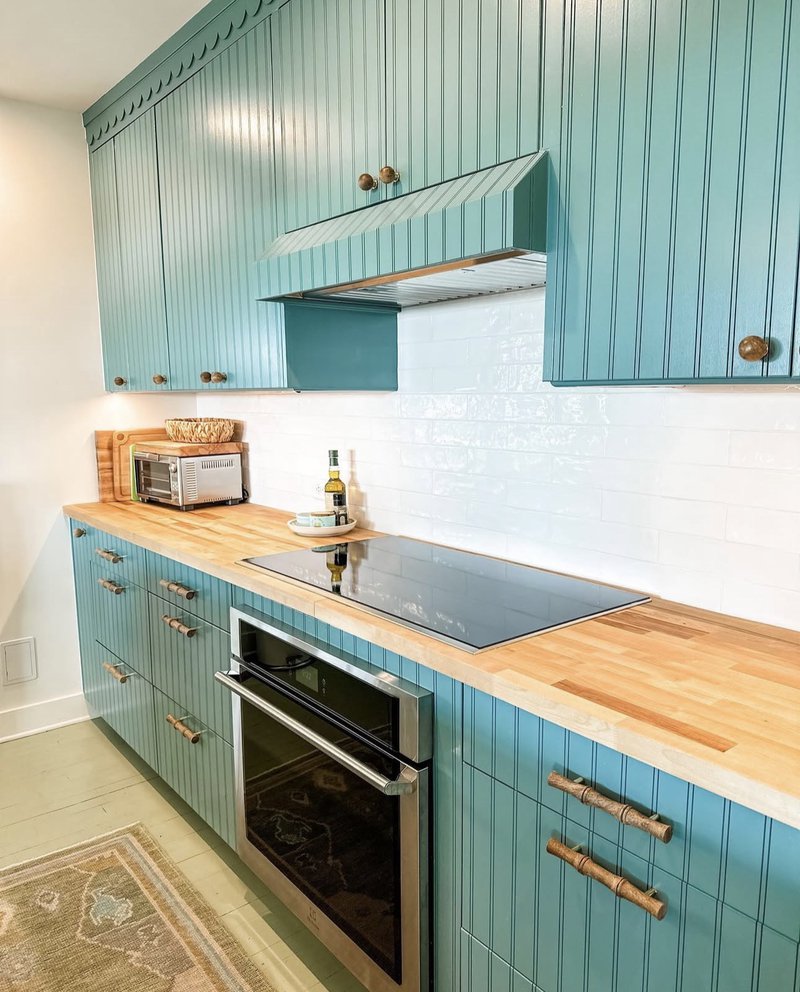
Creating Design Continuity Indoors and Out
Design choices should move seamlessly between interior and exterior spaces. Large windows frame ocean views, transforming them into focal points that require little embellishment. Outdoor areas echo interior aesthetics through similar materials and color schemes.
Elements such as decking, siding, and railings contribute to the home’s updated appearance. Refinishing or replacing these features improves curb appeal while supporting structural upgrades. Subtle changes here often yield dramatic results, especially when coastal light highlights every surface.
Design inspiration coastal influences often emphasize understated elegance rather than excess. Natural finishes, light-reflective surfaces, and relaxed layouts work together to deliver a cohesive experience from driveway to deck.
Renovation Planning That Prioritizes Long-Term Value
Effective renovation relies on careful planning, realistic timelines, and quality craftsmanship. Every update should balance aesthetic desire with structural responsibility. Detailed assessments inform which areas need immediate attention and which allow for gradual improvement.
Local experience becomes invaluable during this stage. Coordinating with specialists who understand zoning requirements, environmental considerations, and coastal construction standards ensures projects run smoothly. Renovation decisions should account for future maintenance ease alongside visual outcomes.
The inclusion of local experience, like interior remodel NC knowledge, helps align renovation plans with environmental realities and code requirements that impact coastal projects.
Your Beach House, Reimagined
A renovation guided by respect for the past and vision for the future results in a home that feels both familiar and new. Mid-century coastal homes deserve thoughtful updates that preserve their unique personality while supporting modern life. Renovation carries the responsibility of stewardship as much as it offers the chance for reinvention.
Konrady & Son Construction brings experience in custom homes, renovations, and property care along the Wilmington coastline. Let’s start building the home of your dreams. Send us a message today.