How Coastal Home Insurance Is Changing Construction Priorities in North Carolina
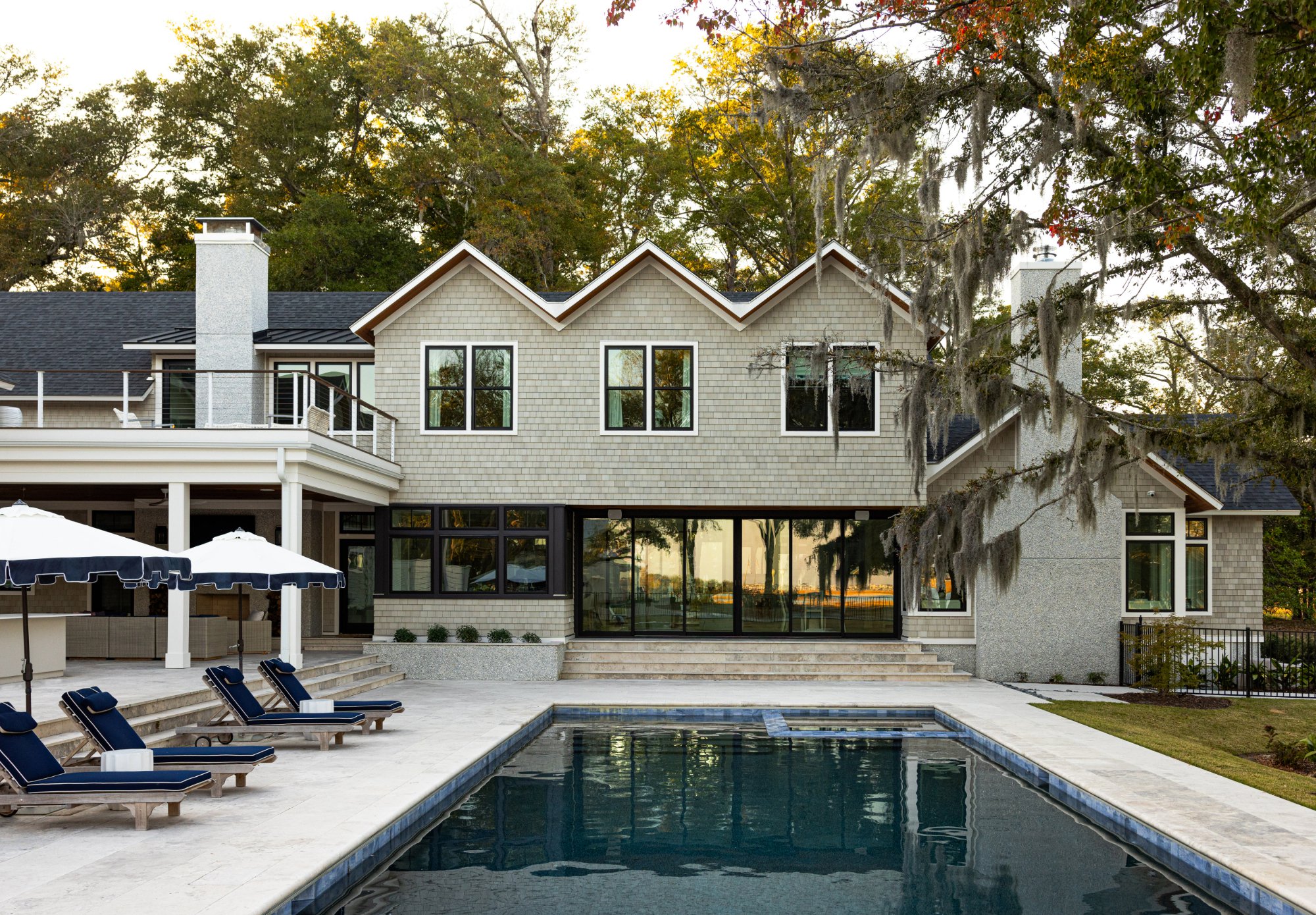
The cost of coastal home insurance in North Carolina has moved from a back-end expense to a front-line design consideration. Insurance providers are tightening requirements, and homeowners now feel the financial effects long before a house ever reaches the framing stage. As premiums climb and underwriting becomes more selective, decisions that once felt optional are now foundational, from structural systems to materials and layout. Building near the coast today involves weighing insurance risk as carefully as location and lifestyle.
Coastal Home Insurance Reshapes Building Strategy
Coastal home insurance policies now reflect how well a home can resist natural forces rather than simply its replacement value. Carriers rely on detailed risk models that factor elevation, structural reinforcement, roofing type, and even how water drains across a lot. Those calculations are shaping entire design strategies before permits are even pulled.
A growing number of new homes are designed with insurance evaluation in mind from the start. Elevated foundations, flood-resistant materials, reinforced rooflines, and impact-rated openings are becoming expected rather than exceptional. Builders who understand how insurers view properties are now able to guide clients toward choices that reduce long-term financial risk.
This shift also affects renovation planning. A remodeling project that improves structure and weather resistance can lower premiums, while cosmetic upgrades may not carry the same financial benefit. Insurance companies want to see evidence of durability, not decorative improvement. As a result, renovation work is becoming more structural in nature, focused on strengthening the home rather than simply refreshing it.

Materials Matter More Than Ever
Material selection now plays a central role in insurance viability. Roofs, windows, exterior cladding, and framing systems are all under greater scrutiny. Insurance companies favor materials that meet high wind ratings, resist mold and moisture, and maintain performance over decades of exposure.
Metal roofing and architectural shingles with improved wind ratings are becoming standard in coastal builds. Fiber cement siding and masonry surfaces are replacing wood in exposed areas. Windows and doors are expected to meet impact standards that rival hurricane codes even in regions that were once considered lower risk.
Interior systems feel the effects as well. Electrical wiring, insulation, and HVAC design increasingly account for flood resistance and moisture management. Insurers now look closely at how a home handles humidity and ventilation, since long-term exposure can increase the likelihood of claims related to mold or system failure.
Every product choice ties back to one central truth. Building materials today contribute directly to insurance outcomes. The wrong selection increases costs not only during construction but throughout ownership.
Structural Design Drives Coastal Home Insurance Premiums
Insurance models have begun prioritizing structure over superficial features. The shape of a roof, the angle of its pitch, and how well it anchors to the walls affect everything from premium quotes to policy approval.
Homes designed for storm-resistant building now use reinforced framing systems, engineered connections, and load path strategies that distribute force safely through the structure. These design principles are becoming essential for both new construction and major renovations.
Open floor plans remain popular, but structural requirements now influence how space is configured. Large openings and high ceilings require additional reinforcement to satisfy insurance expectations. Builders skilled in coastal construction are blending architectural freedom with engineering precision to ensure homes remain open while still exceeding strength standards.
Garages, decks, and exterior additions now face the same level of insurance inspection as main structures. Anything attached to a home carries the potential to increase risk. Integrating these elements correctly protects both the property and the policyholder.
Coastal Home Insurance Standards Create Real Construction Implications
Rising premiums have created measurable construction implications for North Carolina builders and homeowners alike. Budget priorities have shifted. What once went into finishes or luxury features now funds upgraded framing, storm-grade windows, or foundation improvements.
Timelines also change as insurance compliance requirements increase. Builder schedules must account for additional inspections, documentation, and specialized labor. Projects that cut corners quickly face higher coverage costs or denial of insurance altogether.
The approval process itself affects how homes are designed. Insurance carriers often want to review building plans before construction completes. That early involvement requires builders to understand policy language, risk categories, and compliance thresholds. The construction process now operates as a partnership between design professionals, builders, and insurers.
These changes reward experience. Builders who understand coastal risk and insurance logic can help navigate complex requirements before they become financial setbacks. A well-constructed home now brings monetary benefits that extend far beyond resale value.

Renovations Now Carry Strategic Weight
Renovation decisions influence both safety and insurability. Upgrading a roof, replacing windows, or installing improved drainage systems can reduce financial exposure. Insurance providers often reward structural upgrades with better policy terms, especially when improvements increase resistance to wind and moisture.
Whole-home renovations increasingly resemble resilience projects instead of surface-level updates. Crawlspaces are sealed against moisture. Exterior walls receive added weather barriers. Attics are ventilated with precision rather than guesswork.
Property owners also face pressure to maintain compliance. Deferred maintenance that once flew under the radar can now trigger policy revisions or higher rates. Insurance carriers look for signs of neglect and assess risk accordingly.
For builders and property managers, maintenance planning has become an extension of insurance planning. Keeping a property insurable requires strategic upkeep guided by evolving coverage expectations.
Building for Confidence, Coverage, and Continuity
The evolution of coastal home insurance is reshaping how homes rise across North Carolina. Building without addressing insurance realities now carries consequences that surface years later in higher costs and limited coverage.
At Konrady & Son Construction, we design, renovate, and manage properties with long-term resilience in mind. Our approach combines structural insight, material expertise, and coastal experience that supports both performance and insurability. From custom homes to renovations and storm protection systems, we build with coverage as part of the foundation.
Let’s build the home of your dreams. Contact us today.