How Building Codes Shape Coastal Home Construction
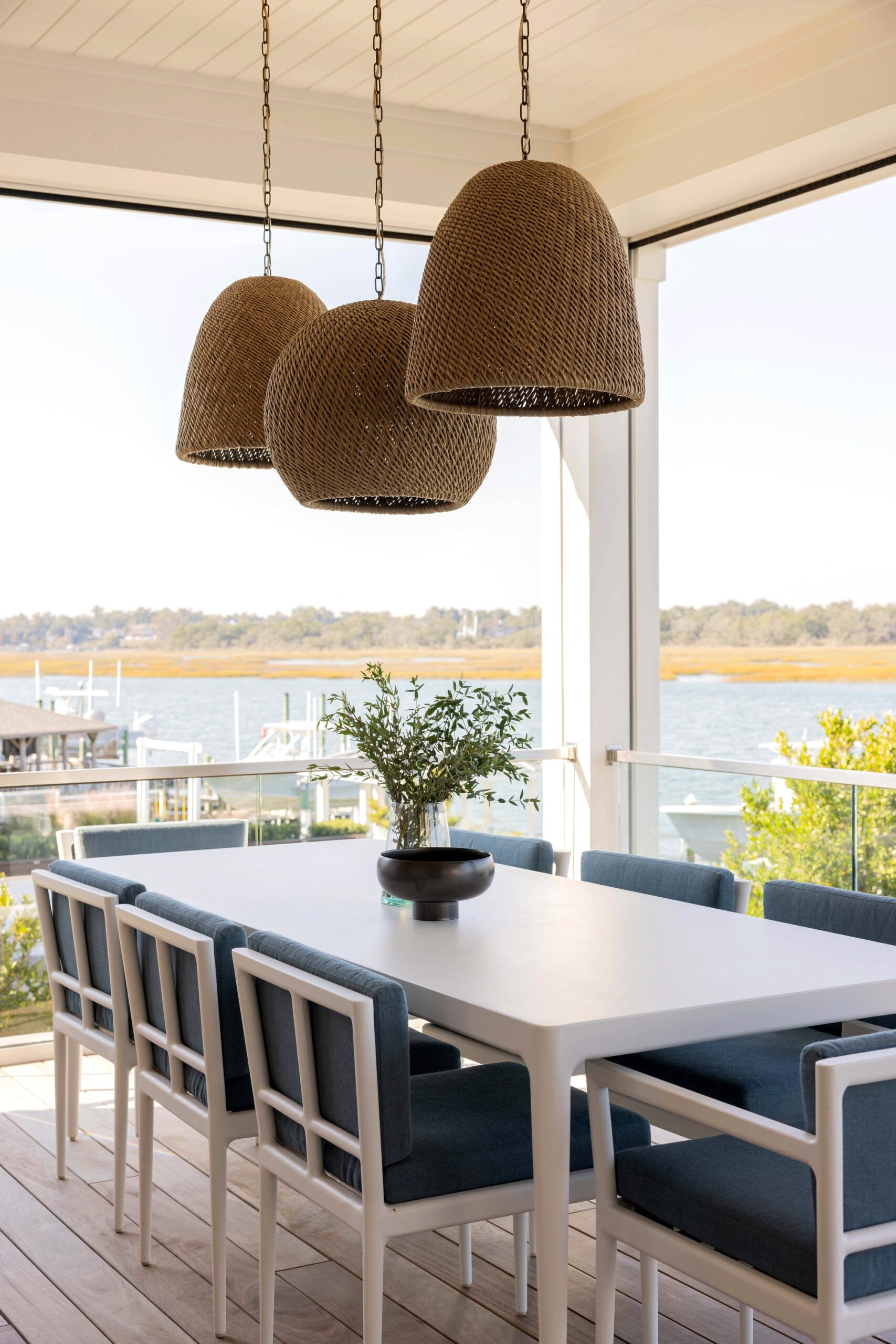
Every coastal home built along North Carolina’s shoreline tells a story of balance between beauty and resilience, and comfort and protection. Behind every finished residence is a foundation designed for strength, and that strength begins with building codes.
In Wilmington and other coastal communities, these codes guide every aspect of construction. They are informed by FEMA guidelines, state and local floodplain regulations, and decades of lessons from hurricanes and storm surges. Each rule exists to protect homes from wind, water, and weather, ensuring that a dream home by the coast remains a lasting one.
Building Codes That Protect Coastal Homes
Coastal construction faces challenges that inland homes never experience. Constant exposure to wind, humidity, and shifting water levels requires precision and planning. Codes governing floodplain construction ensure that every structural decision, from elevation to material choice, prevents long-term damage.
FEMA flood maps define base flood elevations, determining how high a home must sit and what kind of foundation can support it. In many Wilmington neighborhoods, new homes are elevated on pilings or piers to keep living spaces above flood risk. Foundations are designed to resist both vertical and lateral forces, and all major systems like electrical panels, HVAC units, and water heaters must be installed above flood level.
Even design details such as vent openings, roof attachments, and corrosion-resistant materials are regulated to reduce damage during major storms. These rules don’t simply ensure compliance; they safeguard lives and investments.
FEMA Guidelines and North Carolina Enforcement
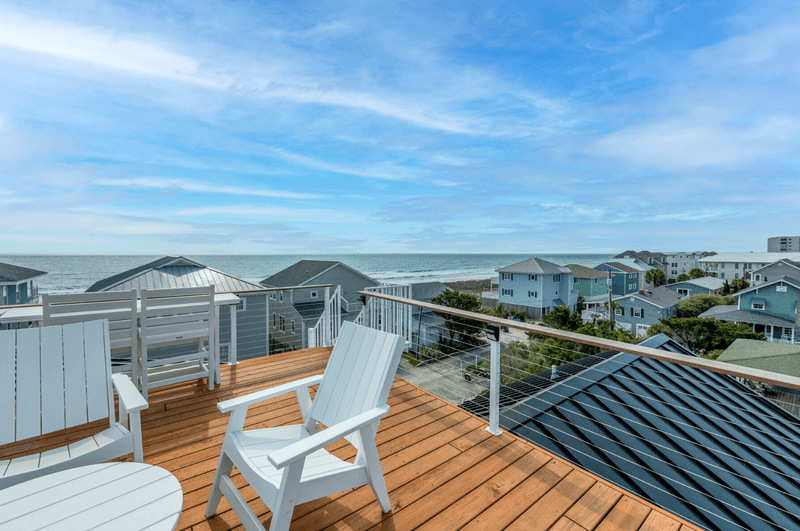
The Federal Emergency Management Agency (FEMA) provides the national framework for safe building in flood-prone zones. Local building departments enforce these standards under the North Carolina Building Code, creating consistency from coastal town to coastal town.
A strong coastal home must use flood-resistant materials capable of withstanding brief water exposure without compromising structure. This includes moisture-resistant flooring, sealed insulation, and mold-resistant wall finishes. Before construction begins, homeowners and contractors must secure home permitting NC approval, submitting detailed elevation certificates and engineering plans that meet floodplain standards.
Local inspectors then verify compliance at each stage, from foundation to final elevation certification, ensuring every home meets FEMA and state criteria before occupancy.
Wilmington Coastal Building Codes
The Wilmington coastal building codes reflect both regional experience and environmental realities. Each provision exists because of something the coast has taught its builders. Wind load ratings, elevation requirements, and anchoring systems are all adapted to Wilmington’s specific conditions.
High-impact windows or storm-rated shutters are often mandatory, protecting openings from debris and pressure changes. Structural connections between the roof, walls, and foundation must be reinforced to withstand hurricane-force winds. These requirements may seem rigid, but they make design freedom possible. When homes are structurally secure, architects and builders can create open layouts, large windows, and spacious decks without sacrificing safety.
How Builders Achieve Resilient Design
Compliance with modern codes requires expertise and coordination. Architects, engineers, and builders work together to balance aesthetic goals with technical precision. Every beam, fastener, and vent must meet certification standards that support the home’s resilience over time.
A high-quality coastal home integrates these standards naturally. Impact-rated windows, fiber-cement siding, and stainless-steel fasteners are chosen not only for compliance but for longevity in salt-heavy air. Elevated structures protect the interior from storm surges while providing better airflow beneath the house. Together, these design choices create coastal homes that last decades instead of years.
The Role of Permitting and Inspections
Behind every finished home lies a thorough permitting and inspection process that ensures accountability. Builders must document site elevations, material specifications, and drainage plans as part of the home permitting NC application.

During construction, inspectors check for proper tie-downs, flood vents, and mechanical elevations. Each inspection confirms that the builder has followed both FEMA guidance and local standards. Once the home passes final inspection, the certificate of occupancy verifies that it meets all state and local resilience benchmarks.
For homeowners, this process ensures peace of mind. For communities, it ensures consistency and safety across every new build.
Why Codes Define Coastal Home Quality
A well-built coastal home is more than a structure; it’s a system designed to perform under pressure. Building codes provide a common language between engineers, inspectors, and builders, ensuring that every decision supports the same goal: safety without compromise.
These codes also protect long-term property value. Homes built to current standards tend to require fewer repairs, attract better insurance rates, and retain higher resale appeal. By meeting or exceeding local regulations, builders create homes that reflect both craftsmanship and foresight.
Building Coastal Homes That Last
In Wilmington, every new home reflects the region’s unique relationship with the ocean. Building codes are not limitations; they are the framework that allows beauty and durability to coexist. When a home is designed with care, the result is more than compliance. It’s confidence.
At Konrady & Son Construction, every coastal project begins with a commitment to quality that aligns with FEMA, state, and local standards. Our team works closely with engineers, inspectors, and designers to create homes that embody the spirit of the coast while exceeding structural expectations.
Ready to build the home of your dreams? Send us a message today.