Enhance Outdoor Living With These Top Home Additions
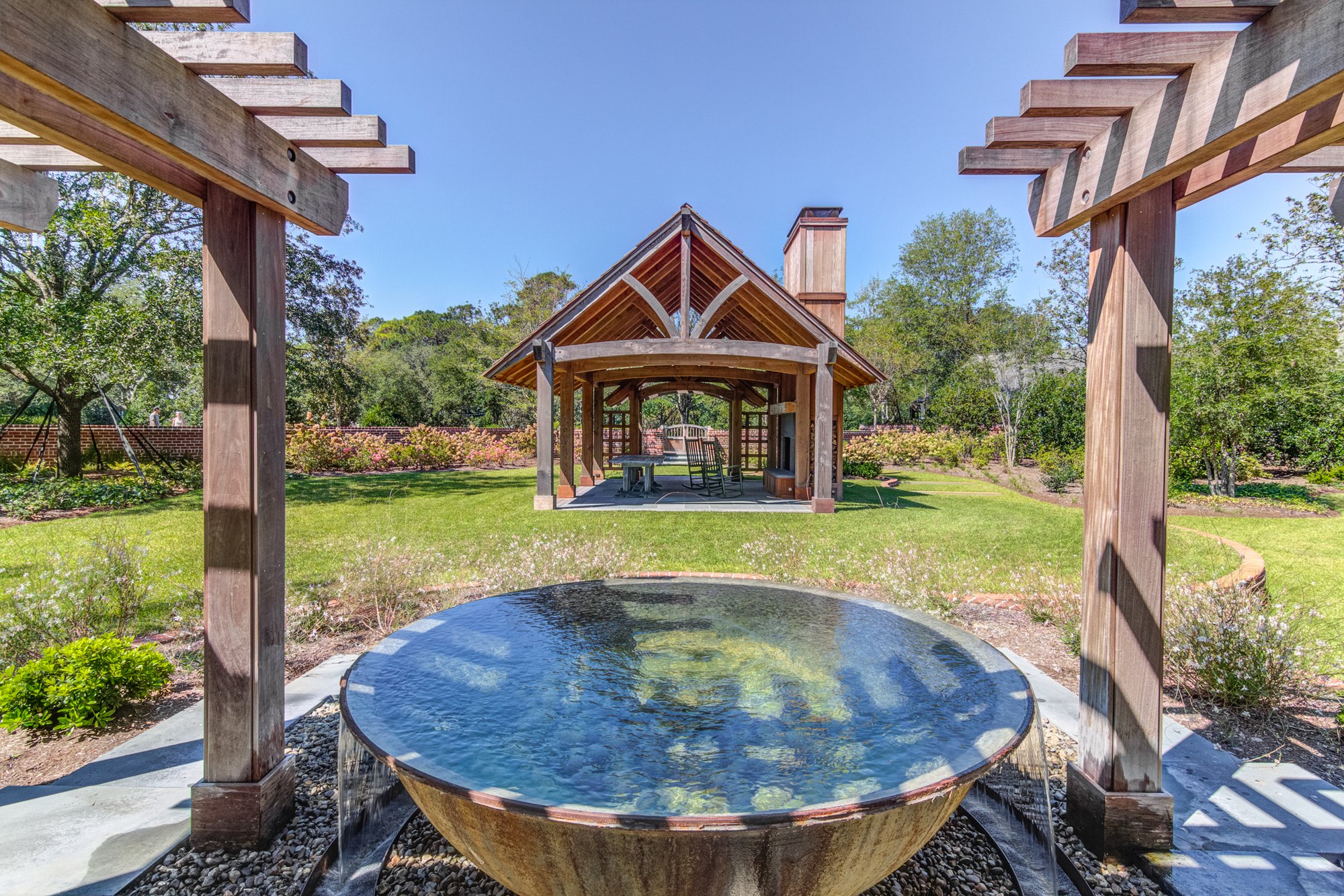
Outdoor spaces have become an extension of how people live, relax, and gather at home. In coastal and temperate regions, the ability to comfortably use exterior areas throughout the year adds meaningful lifestyle value. For homeowners exploring home additions, outdoor-focused upgrades are often some of the most rewarding. They expand usable space, support entertaining, and create stronger connections between the home and its surroundings when designed intentionally.
Rather than treating outdoor upgrades as decorative extras, thoughtful planning helps ensure they function as true living spaces. The right additions feel integrated, purposeful, and aligned with how the home is actually used.
Covered Patios and Outdoor Rooms
Covered patios are among the most popular outdoor home additions because they offer immediate functionality. By providing shade and weather protection, they allow homeowners to use outdoor spaces more consistently throughout the year.
Designing a covered patio requires careful attention to scale, roofline, and connection points to the main structure. Ceiling height, support placement, and orientation all affect how open or enclosed the space feels once completed.
Materials also play an important role in long-term performance. Finishes should be selected with durability and maintenance in mind, particularly in coastal environments where moisture and sun exposure are constant factors.
When executed well, covered patios function as outdoor living rooms. They support dining, lounging, and casual gathering while feeling like a natural extension of the home rather than a separate structure.

Outdoor Kitchens That Support Entertaining
Outdoor kitchens elevate patios and yards by making them fully functional gathering spaces. They reduce back-and-forth traffic into the house and allow hosts to stay engaged with guests during meals and events.
Layout is a key consideration for outdoor kitchens. Placement of cooking, prep, and seating zones should mirror indoor kitchen logic while accounting for airflow, safety, and weather exposure.
Material selection matters even more outdoors than indoors. Countertops, cabinetry, and appliances must withstand temperature changes, humidity, and salt air without deteriorating prematurely.
When paired with covered patios or pergolas, outdoor kitchens become central hubs for social activity. These home additions often increase how frequently homeowners use their outdoor spaces rather than reserving them for special occasions.
Gazebos and Pergolas for Defined Outdoor Areas
Gazebos and pergolas offer structure and definition within open yards. They create visual anchors that help organize outdoor spaces and establish intentional gathering zones.
Gazebos provide full overhead coverage and a sense of enclosure without attaching directly to the home. This makes them ideal for properties where separation between indoor and outdoor spaces is desired. Pergolas, on the other hand, offer partial shade while maintaining openness and airflow. Their flexible design allows homeowners to add lighting, fans, or plant coverage over time.
Both structures require thoughtful placement to feel cohesive. Scale, roof shape, and material choices should complement the main house so the addition enhances the property rather than competing with it.
Balconies and Elevated Outdoor Spaces
Balconies create outdoor living opportunities without expanding the home’s footprint at ground level. They are particularly valuable for multi-story homes or properties with limited yard space.
Beyond aesthetics, balconies improve access to fresh air and outdoor views. They can serve as quiet retreats connected to bedrooms or private extensions of upper-level living areas.

Structural integration is critical for these additions. Load requirements, waterproofing, and railing design all influence safety, longevity, and visual appeal.
When planned early, balconies can significantly enhance how upper floors are used. They add dimension to the home’s exterior while increasing functional living space.
Garden Sheds and Utility Structures
Garden sheds have evolved into versatile structures that support storage, hobbies, and organization. When designed intentionally, they enhance both function and visual balance across a property.
Modern sheds can reflect architectural details from the main home. Matching rooflines, siding styles, or trim colors helps these structures feel like part of a cohesive design plan. Beyond storage, sheds support outdoor living by keeping equipment, tools, and seasonal items accessible yet contained. This reduces clutter inside the home and improves usability of outdoor spaces.
As with all home additions, placement matters. Sheds should be positioned to support workflow and sightlines without overwhelming the yard or disrupting landscaping plans.
Outdoor Home Additions That Enhance Everyday Living
The most successful additions balance comfort, durability, and integration with the existing home. They feel intentional, support real lifestyles, and hold up well over time and exposure. Outdoor additions work best when considered as part of a broader design strategy rather than isolated projects. Early planning helps align layout, materials, and long-term maintenance expectations.
If you’re a homeowner considering outdoor home additions, professional guidance can help ensure these spaces deliver lasting value and enjoyment. At Konrady & Son Construction, we offer custom home builds and renovations. We focus on planning and building outdoor additions that fit your home and lifestyle. Send us a message today.