Designing Multi-Generational Homes by the Coast
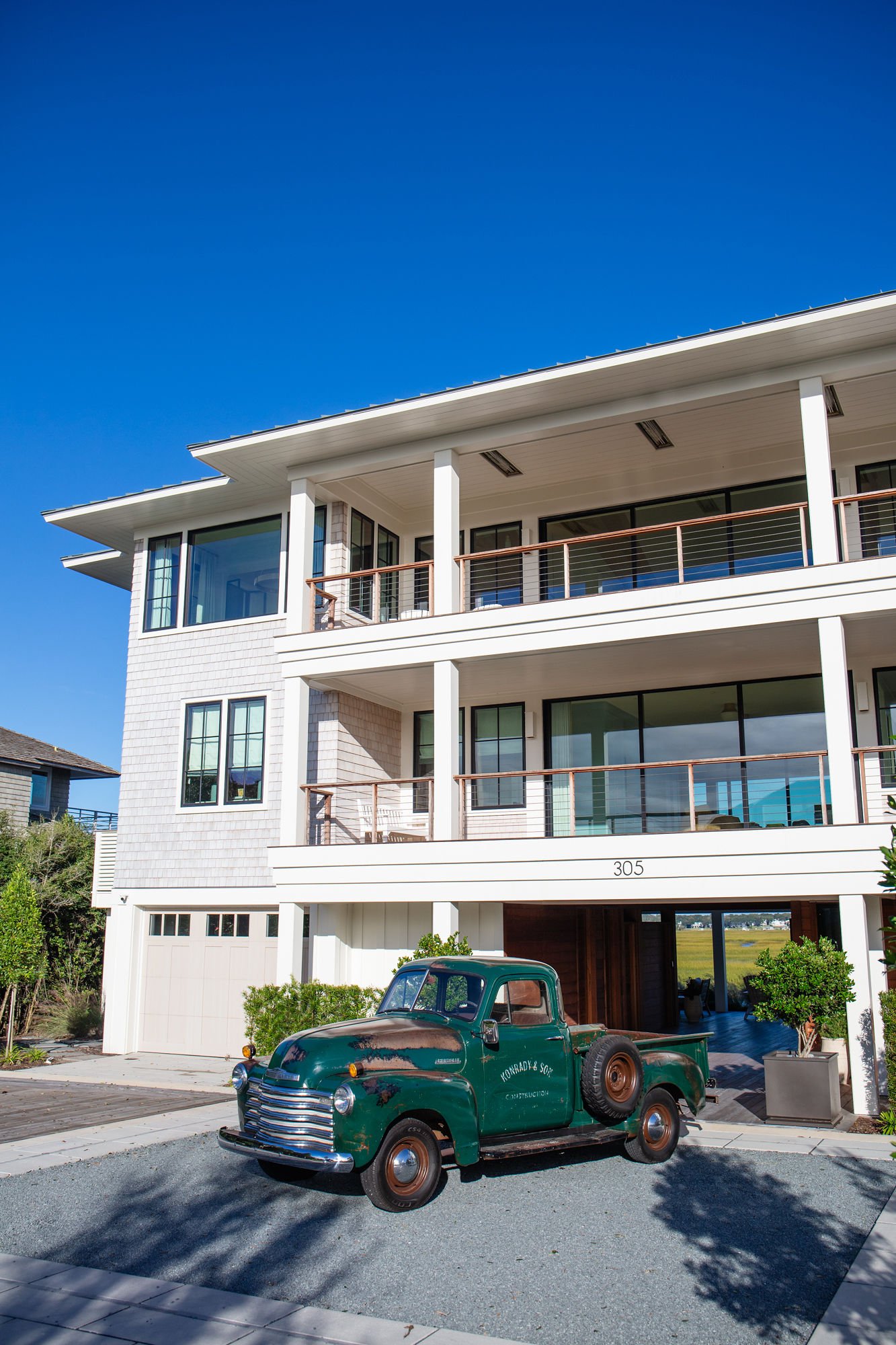
A well-planned approach to multi-generational home design allows families to live together comfortably without sacrificing independence, privacy, or long-term flexibility. Coastal settings add another layer of complexity, blending lifestyle goals with practical planning. A home by the water must balance beauty with durability, and daily comfort with future readiness. When parents, grandparents, and children share one space, design decisions shape not only the structure but also how each generation experiences life inside it.
Multi-Generational Home Design That Balances Space and Privacy
One of the primary challenges in multi-generational living is maintaining a sense of personal space. Each generation benefits from having areas that feel defined and separate. Primary bedrooms placed away from children’s rooms or in separate wings of the home often create peaceful boundaries. Thoughtful hallway placement, sound-insulating materials, and well-planned room orientation all contribute to greater comfort.
Shared areas remain the heart of the home. Kitchens, dining spaces, and living rooms should invite gathering without feeling crowded. Wide walkways, generous seating areas, and durable finishes allow the space to serve both everyday needs and family gatherings. When these shared rooms feel balanced, the home encourages togetherness without overwhelming any one group.
Outdoor spaces also provide natural extensions of the living area. Covered porches, screened patios, and ocean-facing decks become places for quiet reflection or family conversation. A coastal home that uses outdoor spaces well feels larger and more open, which benefits multi-generational households in powerful ways.

Planning for Accessibility Without Sacrificing Style
Designing with aging family members in mind shapes many decisions early in the planning process. Wide doorways, low threshold entries, and smooth flooring improve movement throughout the home. Bathrooms designed with step-free showers and supportive fixtures promote safety while maintaining visual appeal. These features integrate naturally when incorporated from the beginning.
Aging in place becomes easier when storage, appliances, and lighting remain within reach without creating visual clutter. Cabinet heights, door hardware, and light switch placement all affect long-term usability. For a coastal home, these features must also resist moisture and corrosion while remaining easy to maintain. This balance between practical planning and visual design defines great coastal accessibility.
Accessibility extends beyond physical movement. Clear lighting, reduced glare, and calm visual layouts help create a more navigable interior. Families benefit from thoughtful design that reduces strain while enhancing the daily experience.
Multi-Generational Home Design That Supports Daily Living
The ocean shapes the environment surrounding the home. Salt air, changing weather patterns, and intense sunlight influence how materials perform. Multi-generational homes by the coast must be built with materials that withstand these conditions without constant upkeep. Flooring, hardware, siding, and roofing all influence the long-term function of the home.
Window placement plays a major role in coastal construction. Large windows invite natural light and amplify water views, but must also manage heat, glare, and exposure. High-quality glass choices and properly sealed frames improve comfort throughout the year. This level of detail ensures the interior remains comfortable regardless of season.
Interior materials should also support the coastal environment. Natural textures like wood and stone add beauty, but require proper treatment and installation. A coastal home built with future-proof materials reduces maintenance while preserving its charm.
Designing Flexibility for Future Transitions
Families evolve over time. A spare bedroom may later become a caregiver suite or a home office may transform into a private living area. Flexible spaces support these transitions gracefully. Partition walls, adaptable layouts, and multipurpose rooms help the home remain useful long after the initial design phase.
Stair placement is another important element of long-term planning. Ground-floor living suites offer options if stair use becomes limited in the future. Even in larger homes, having essential amenities such as bedrooms and bathrooms on the main level improves livability.
Multi-generational design thrives on choices that accommodate growth and change without requiring major renovations. These intentional design concepts help families feel secure knowing their home will continue to serve them well.

Creating Emotional Comfort Through Design
A successful home creates emotional comfort alongside physical ease. Natural light, calming colors, and thoughtful layouts help reduce stress and foster connection. Each generation responds differently to design environments, so blending softness with function supports everyone in the home.
Quiet corners allow reflection. Bright communal spaces encourage laughter. Bedrooms feel restful and personal. When all these experiences flow together, the home feels cohesive rather than segmented.
Personal touches, such as family photos, artwork, and meaningful furnishings, further enhance the sense of belonging. A well-designed space should reflect the lives lived inside it, evolving naturally as family members grow and change.
Local Knowledge Shapes Better Results
Building coastal homes in North Carolina requires understanding climate, regulations, and community dynamics. Local experience helps ensure designs comply with environmental guidelines while maximizing livability. Choosing professionals with regional knowledge leads to smarter material selection and better long-term performance.
Some families seek builders with experience working alongside homeowners to create unique spaces that reflect real-life needs. Working with family home builders that NC residents trust can make a significant difference in construction quality and satisfaction.
Multi-Generational Home Design That Feels Thoughtful and Enduring
The strength of a multi-generational home lies in how it supports every member of the family. From grandparents seeking comfort to children needing room to grow, each space plays a role. A coastal setting adds beauty and responsibility, shaping how every design choice impacts the home’s longevity.
A carefully planned home offers peace of mind. It provides confidence that the structure will adapt as life changes. Most importantly, it gives families a place where memories take shape across generations.
At Konrady & Son Construction, we plan and build homes that honor the way families live today while preparing for tomorrow. Our approach to custom homes blends practicality, craftsmanship, and coastal expertise so each home reflects both lifestyle and location.
Ready to build the home of your dreams? Send us a message today.