Choosing Exterior Paint Colors That Age Well in Coastal Climates
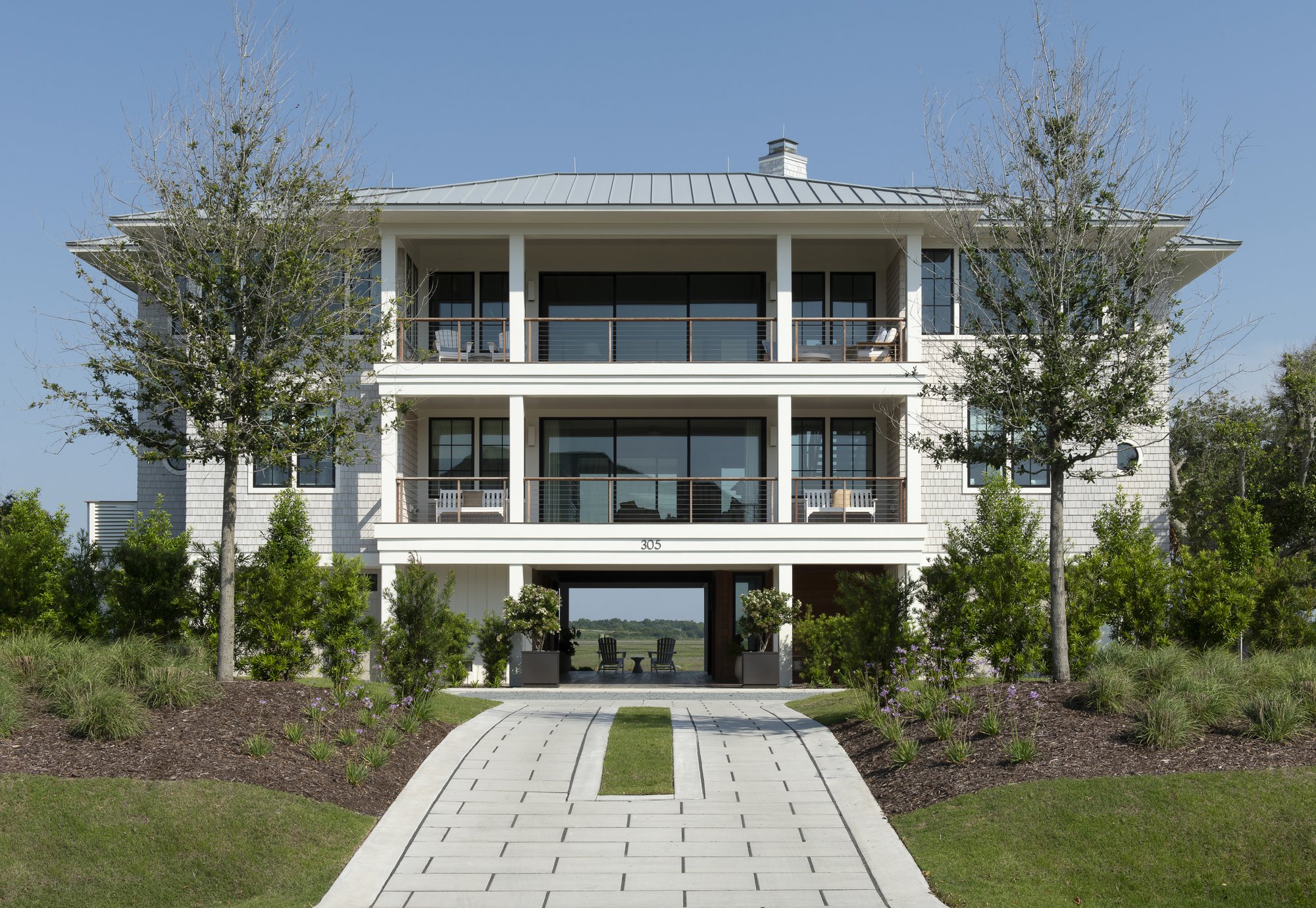
Exterior paint color plays a major role in how a coastal home looks, feels, and performs over time. Along the coast, constant sun exposure, salt air, humidity, and storms can quickly reveal poor color choices that might otherwise go unnoticed in milder climates.
For homeowners planning new builds or exterior updates, paint selection should be treated as a functional design decision rather than a purely visual one. In well-executed custom home design, exterior color works in tandem with materials, architecture, and environment to create a cohesive and durable result.
Start With Environmental Conditions Before Choosing Custom Home Design Colors
Before opening a paint deck, homeowners should evaluate the surrounding environment. Coastal light is brighter and more reflective, which can dramatically alter how colors appear once applied across large exterior surfaces.
Homes near water, sand, or open sky often amplify brightness and contrast. Colors that feel soft and subtle on a swatch can look stark or washed out outdoors. Observing nearby homes and natural landscape tones helps establish a realistic baseline.
Sun orientation also plays a role. South- and west-facing elevations receive harsher light and heat, which can accelerate fading. Accounting for exposure early helps narrow color choices that will remain visually balanced over time.
Select Base Colors That Reflect Light and Wear Evenly
Base colors define the majority of a home’s exterior and should prioritize longevity over visual impact. In coastal climates, lighter and mid-range tones typically age better than dark or highly saturated colors.
Soft whites, warm off-whites, pale grays, and muted taupes reflect sunlight rather than absorbing it. This reduces visible fading and uneven wear while maintaining a clean appearance year after year.
When testing samples, homeowners should evaluate colors at different times of day. Morning, midday, and evening light can all shift perception. A base color that remains consistent throughout changing light conditions is usually the most reliable choice.

Use Accent Colors Strategically and Sparingly
Accent colors add personality, but restraint is essential in coastal exteriors. Overusing bold or trendy hues often leads to faster visual fatigue and more frequent repainting.
Front doors, shutters, and small architectural details are ideal locations for accent colors because they are easier to update. Muted blues, weathered greens, and soft charcoal tones tend to age more gracefully than highly saturated alternatives.
Permanent elements such as siding and trim benefit from neutral foundations. Keeping these areas understated allows accents to evolve over time without compromising the overall exterior design.
Coordinate Paint Choices With Materials and Architecture
Exterior paint should always be evaluated alongside materials and architectural features. Siding texture, trim profiles, roofing, stonework, and metal elements all influence how color is perceived.
Smooth surfaces reflect light differently from textured ones. A color that feels warm on fiber cement siding may appear darker on wood or flatter on stucco. Testing samples directly on exterior materials helps avoid mismatches.
Architectural style matters as well. Coastal modern homes often benefit from minimal palettes with limited contrast, while traditional coastal designs can support subtle variation. Coordination ensures the exterior feels unified rather than fragmented.
Avoid Trend-Driven Exterior Color Decisions
Exterior paint trends change quickly, but coastal homes are long-term investments. Trend-driven color choices often feel dated within a few years, especially once environmental wear becomes visible.
Before committing to a color, homeowners should consider how it will look as landscaping matures and neighboring homes evolve. A color that feels dramatic today may feel out of place later.
Timeless palettes rely on balance, subtle contrast, and harmony with the environment. These qualities help maintain curb appeal without frequent updates, which is especially valuable in demanding coastal climates.

Factor Maintenance and Repaint Cycles Into Color Selection
Exterior color choices directly influence how often repainting is required. Dark colors and high-contrast combinations tend to show fading, salt residue, and surface wear more quickly.
Colors that age evenly reduce maintenance urgency and help preserve a polished appearance between repainting cycles. This is particularly important in coastal regions where exterior upkeep is already more involved.
Planning with maintenance in mind allows homeowners to enjoy their homes without constantly reacting to cosmetic wear.
Plan Custom Home Design Exterior Colors Early in the Design Process
Exterior paint decisions are most effective when made early rather than at the end of construction or renovation. Color choices affect material selection, trim detailing, and even landscape planning.
Early coordination prevents costly mid-project changes and supports a cohesive overall design. In custom home design, these early decisions contribute to stronger visual flow and long-term consistency.
Treating paint as part of the design strategy rather than a finishing step leads to more intentional and durable results.
Creating a Custom Home Design Exterior That Stands the Test of Time
Choosing exterior paint colors for coastal climates requires a balance of aesthetics, performance, and foresight. The right approach helps homes age gracefully while reinforcing their architectural character and overall vibe.
By focusing on environment, materials, restraint, and long-term maintenance, homeowners can make color choices that continue to feel right year after year. These decisions play a meaningful role in how a home is experienced from the street and how confidently it holds its place within a coastal setting.
At Konrady & Son Construction, we help clients make informed spending decisions through custom home building, renovations, property services, and enhancing storm protection. Our approach focuses on long-term performance, so each investment supports both comfort and durability.
Let’s start building the home of your dreams. Contact is today.