Building a High-Performance Home Without Sacrificing Comfort
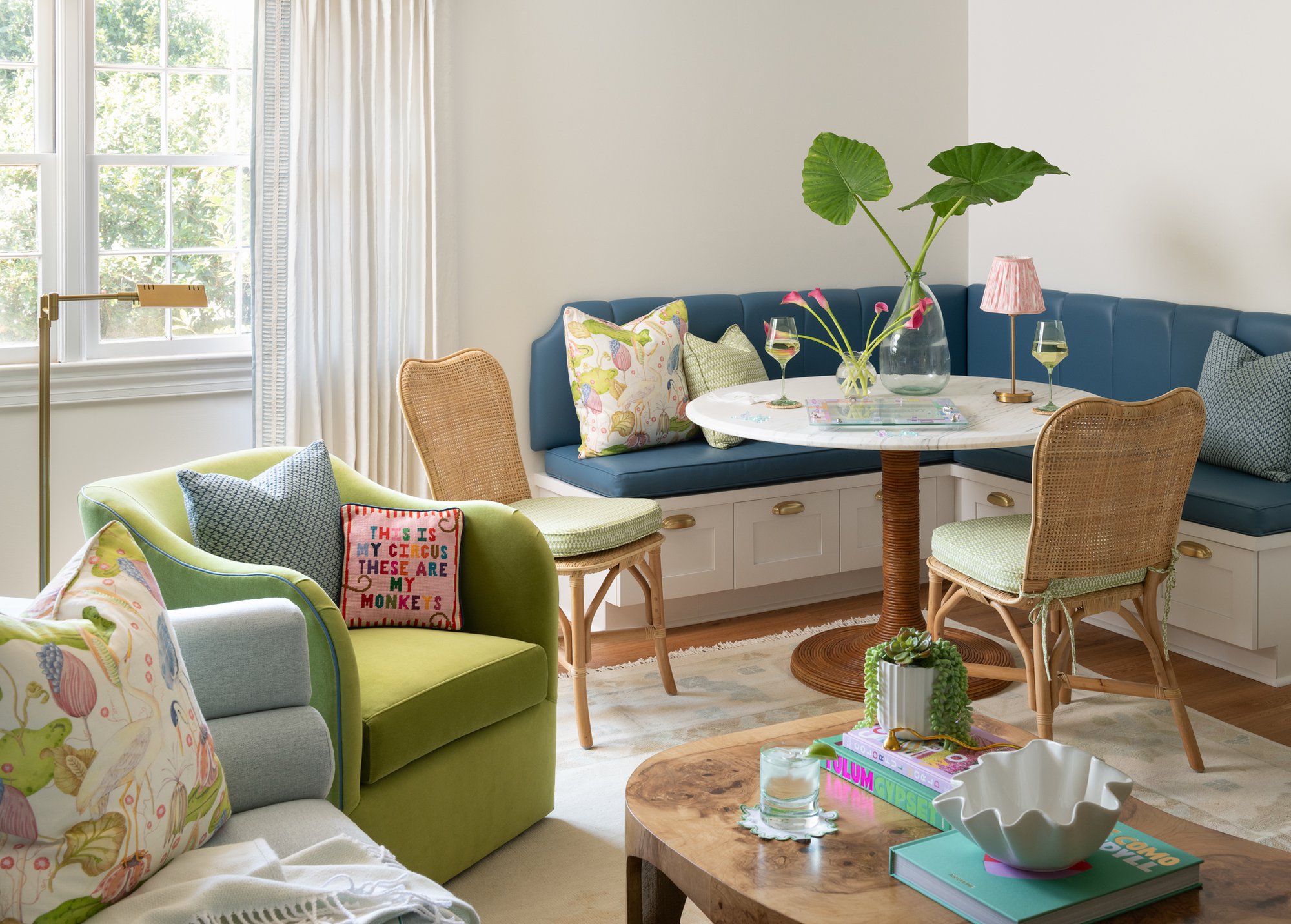
A well-designed home should feel comfortable in every season while operating efficiently behind the scenes. Home-performance home design brings those goals together by aligning energy efficiency, durability, and livability from the start. Rather than treating efficiency as a technical add-on, high-performance homes are planned so comfort improves as performance increases. When done correctly, the result is a home that feels better to live in and costs less to operate over time.
High performance does not mean sterile or overly complex. It means thoughtful decisions that support daily comfort while reducing waste and wear.
How Home-Performance Home Design Supports Everyday Comfort
Comfort is often associated with finishes and furnishings, but it is largely shaped by how a home manages air, moisture, and temperature. Home-performance home design focuses on controlling these elements so living spaces remain consistent and inviting.
Even temperatures throughout the home reduce hot and cold spots. Balanced humidity improves air quality and protects materials. Quiet mechanical systems enhance livability without drawing attention. These outcomes are achieved through coordinated planning rather than isolated upgrades.
When efficiency measures are integrated early, comfort becomes a natural byproduct rather than a compromise.

Building Envelope Choices That Improve Performance and Feel
The building envelope plays a central role in home-performance home design. Walls, roofs, windows, and foundations work together to separate indoor living space from outdoor conditions.
High-quality insulation, continuous air sealing, and properly detailed windows reduce unwanted air movement. This limits drafts and stabilizes indoor temperatures. Homes feel calmer and more predictable because the indoor environment is not constantly reacting to outdoor swings.
These envelope decisions also reduce strain on heating and cooling systems, allowing them to operate more quietly and efficiently.
Mechanical Systems in Home-Performance Home Design
Mechanical systems perform best when they are designed to support the envelope rather than compensate for its weaknesses. In a home-performance home design approach, HVAC systems are sized based on actual performance needs rather than general assumptions.
Properly sized systems cycle less frequently and maintain steadier temperatures. Ventilation systems manage fresh air without introducing excess humidity or heat. Together, these systems support comfort while minimizing energy use.
Investing in a well-planned mechanical design improves daily experience and reduces long-term maintenance concerns.
Layout and Orientation in Home-Performance Home Design
Performance is not limited to materials and systems. Layout and orientation influence how a home captures light, manages heat, and supports comfort throughout the day.
Thoughtful orientation can take advantage of natural daylight while reducing overheating. Window placement balances views and privacy with thermal performance. Interior layouts that allow air to circulate freely support even temperatures across rooms.
In home-performance home design, layout decisions are evaluated through both functional and environmental lenses.
Materials That Balance Efficiency and Livability
Material selection affects both performance and comfort. Durable finishes, moisture-resistant materials, and low-emission products contribute to healthier indoor environments.
In coastal settings, materials must also withstand humidity and salt exposure. Choosing products that perform well in these conditions protects the home’s efficiency and reduces maintenance demands. Comfort is preserved when materials age gracefully rather than degrade quickly.
Selecting the right materials is about longevity as much as immediate appearance.
High Performance and Storm Resilience
Performance and resilience are closely connected. Homes that manage air and moisture effectively are often better prepared for severe weather.
Home-performance home design supports storm readiness by reducing points of failure. Tight envelopes limit water intrusion. Elevated and reinforced assemblies protect critical systems. These features enhance safety while maintaining interior comfort before and after storms.
Resilient performance reduces disruption and helps homes recover more quickly from extreme conditions.

Renovations and Performance Upgrades
High-performance principles apply to renovations as well as new construction. Existing homes can benefit from targeted improvements that enhance comfort without major reconstruction.
Air sealing, insulation upgrades, and system replacements often deliver noticeable comfort gains. Renovation-focused home-performance home design prioritizes improvements that address root causes rather than surface symptoms.
Planning upgrades carefully ensures compatibility with existing structures and avoids unintended consequences.
Long Term Benefits of Home-Performance Home Design
Homes designed for performance tend to age more gracefully. Reduced moisture issues protect finishes. Efficient systems experience less wear. Indoor comfort remains consistent as seasons change.
Over time, these benefits support lower operating costs and fewer disruptive repairs. Comfort is maintained without constant adjustment or intervention. A high-performance home quietly supports daily life rather than demanding attention.
Bringing Performance and Comfort Together
The most successful homes are those where performance decisions serve the people living inside them. Home-performance home design aligns efficiency with livability so neither is sacrificed.
At Konrady & Son Construction, we integrate high-performance principles into custom homes, renovations, property services, and storm protection planning. Our approach connects comfort, efficiency, and durability so homes feel as good as they perform. Send us a message today.