Add Value to Older Homes With Open Floor Plans
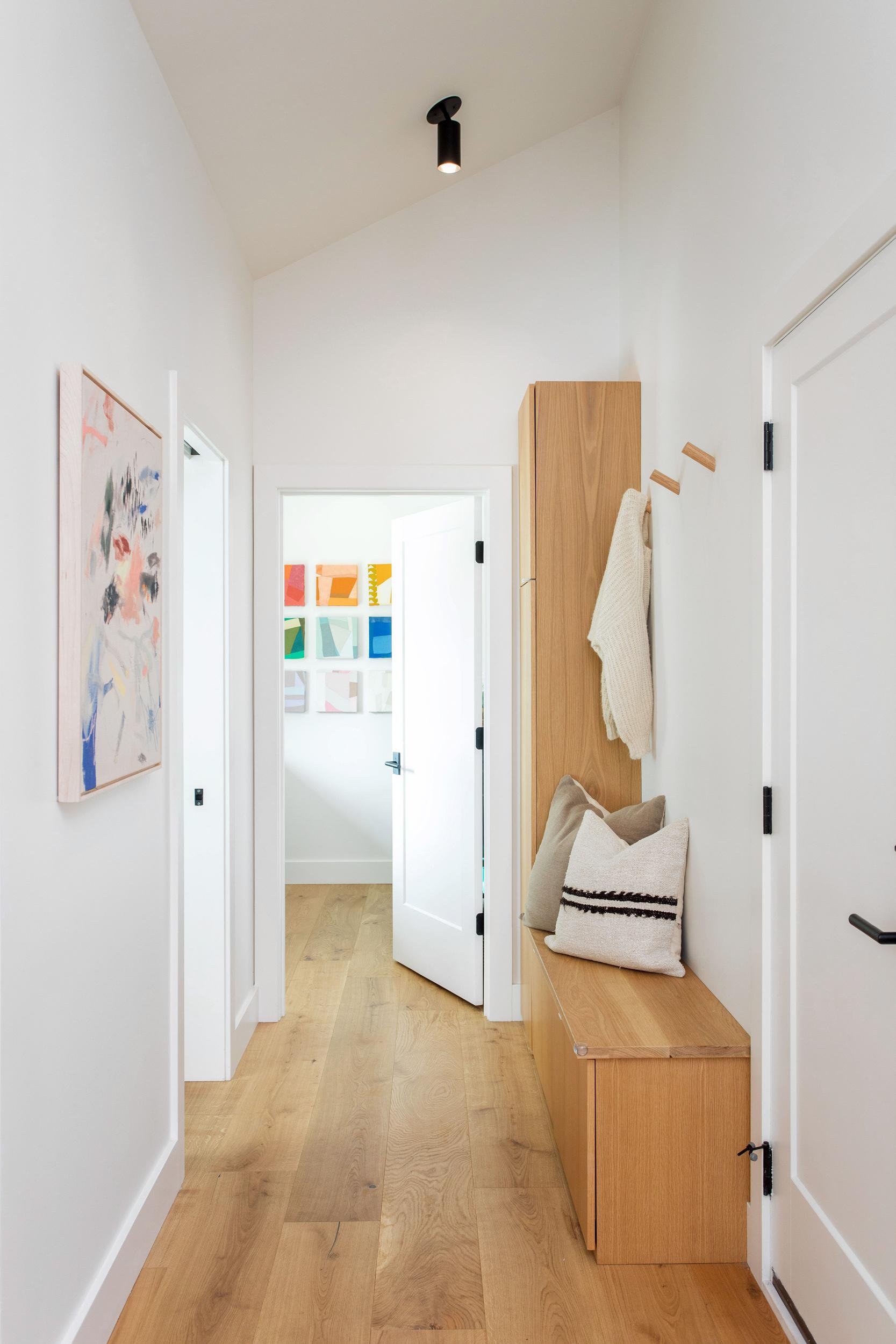
Many older homes were designed around clearly defined rooms, with walls separating kitchens, dining areas, and living spaces. At the time, this layout reflected how families lived, entertained, and maintained privacy within the home. Today, lifestyle expectations have shifted. Homeowners considering home remodeling are often looking for layouts that feel brighter, more connected, and better suited to modern routines.
Open floor plans have become a popular solution for achieving those goals without sacrificing the character of an older home. Removing walls and reconfiguring space can dramatically change how a home functions. When done thoughtfully, these changes enhance flow, improve natural light, and make homes feel more adaptable to everyday life.
Why Older Homes Often Feel Disconnected Today
Older homes were typically designed with formality and separation in mind. Kitchens were treated as workspaces, dining rooms as occasional-use areas, and living rooms as distinct gathering spaces.
While this layout offers privacy, it can also limit flexibility. Daily routines now tend to blend cooking, dining, working, and socializing into shared experiences that benefit from visual and physical connection.
Smaller rooms can also restrict natural light. Walls interrupt sightlines and prevent light from traveling through the home, which can make interiors feel darker or more confined.
As expectations for openness and versatility increase, many homeowners see these layouts as opportunities for improvement rather than flaws. Home remodeling allows older homes to evolve while preserving their original charm.
How Open Floor Plans Increase Functionality and Appeal
Open floor plans remove unnecessary barriers between key living spaces. This creates larger, more adaptable areas that support multiple activities at once.
From a functional standpoint, open layouts improve circulation. Movement between kitchen, dining, and living areas feels intuitive rather than segmented, which supports both daily living and entertaining.

Natural light is another major advantage. With fewer walls to block windows, light spreads more evenly throughout the home, reducing the need for artificial lighting during the day.
From a buyer’s perspective, openness often translates to perceived value. Homes that feel bright, spacious, and flexible tend to appeal to a broader range of buyers, particularly those drawn to modern living environments.
Balancing Open Layouts With Traditional Design Elements
While open floor plans are popular, completely eliminating separation is not always the best solution. Thoughtful remodeling considers how openness and privacy can coexist.
Structural elements such as partial walls, columns, or ceiling changes can define spaces without fully enclosing them. These features maintain visual openness while preserving a sense of structure.
Material choices also help create distinction. Flooring transitions, cabinetry placement, and lighting design can subtly separate zones within an open space.
This balance allows homeowners to enjoy the benefits of open layouts while respecting the architectural roots of older homes. The result feels intentional rather than forced.
Why Modern Lifestyles Favor Open Floor Plans
Modern lifestyles place a premium on connection and flexibility. Families often want to cook, dine, and relax in shared spaces rather than moving between isolated rooms.
Open layouts support this shift by allowing visibility and interaction across the home. Parents can prepare meals while staying connected to children or guests in adjacent areas.
Technology has also influenced preferences. Larger, open spaces accommodate media setups, remote work areas, and flexible furniture arrangements more easily than closed rooms.
These factors help explain why open floor plans are frequently associated with modern homes. They reflect how people live today rather than how homes were used decades ago.
How Home Remodeling Can Preserve the Value of Closed Spaces
Despite the popularity of open layouts, closed spaces still serve important functions. Bedrooms, offices, and formal dining rooms benefit from privacy and acoustic separation.
Even within open floor plans, homeowners often appreciate designated quiet zones. Home offices, for example, typically perform better when enclosed.
The goal of remodeling should not be to erase all walls, but to remove those that no longer serve a purpose. Strategic openness enhances value without sacrificing comfort or functionality.
By evaluating how each space is used, homeowners can make informed decisions that align openness with practicality.

Plan an Open Floor Plan Home Remodeling the Right Way
Opening up an older home requires more than removing walls. Structural considerations, load-bearing elements, and mechanical systems all influence what is possible.
Professional planning ensures that changes improve flow without compromising safety or performance. It also allows finishes, lighting, and sightlines to be coordinated from the start.
Successful home remodeling considers both current needs and long-term value. Layout changes should feel timeless rather than overly trend-driven. When openness is planned with intention, the result is a home that feels modern, livable, and well-balanced.
Modernizing Older Homes With Thoughtful Home Remodeling
Open floor plans have become a defining feature of modern living, offering flexibility, light, and connection that many homeowners value. For older homes, these layouts can dramatically improve functionality and appeal when executed carefully.
The most successful remodels strike a balance between openness and structure. They respect the original character of the home while adapting it to contemporary lifestyles.
By focusing on flow, light, and purposeful space planning, homeowners can unlock new potential in older properties. These changes often make homes feel larger, brighter, and more aligned with how people live today.
At Konrady & Son Construction, we remodel older homes with intention through thoughtful home renovations. Whether you are looking to open up a closed floor plan, improve natural light, or reconfigure spaces to better fit modern living, we’re here to help you build your dream home. Contact us today.