Choosing Exterior Siding Materials That Resist Coastal Weather
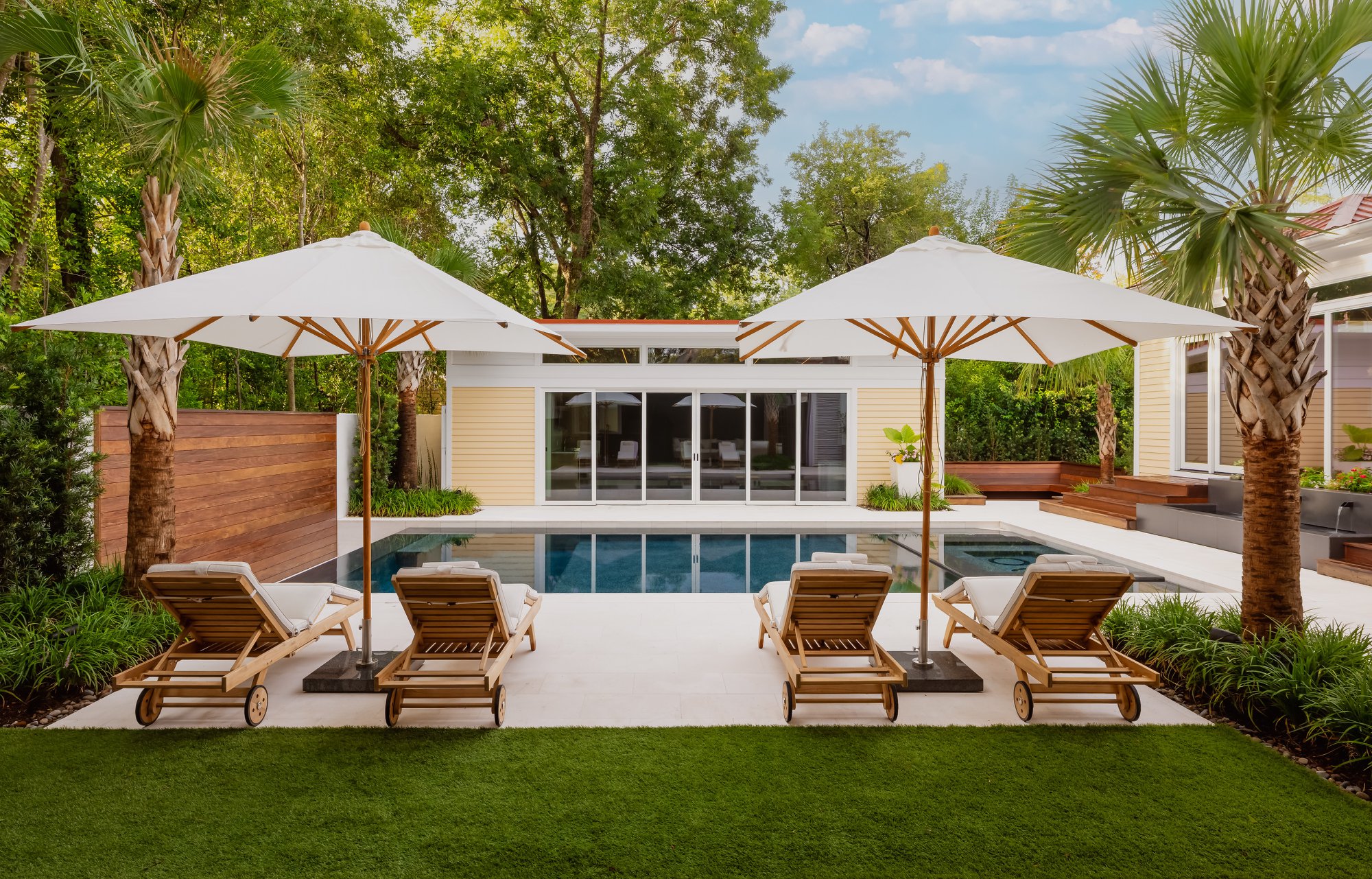
A home's exterior takes a beating near the coast, day after day, year after year. Salt air, high humidity, and strong storm winds put constant pressure on every surface. Choosing the right siding materials makes the difference between decades of durability and frequent, costly repairs.
Not every product performs equally in coastal conditions. Some resist moisture and salt corrosion well, while others deteriorate quickly without proper upkeep. Below is a breakdown of the most common options, along with what makes each one suited or unsuited to life near the water.
1) Fiber Cement Siding: Built for Salt Air and Storms
Fiber cement has become a popular choice for coastal homes over the past two decades. It resists moisture, salt corrosion, and pest damage far better than traditional wood siding. This durability makes it a strong long-term investment despite a higher upfront cost.
The material also holds paint exceptionally well, reducing how often repainting is needed. Many fiber cement products carry warranties extending 30 years or more. That kind of longevity appeals to homeowners planning to stay in their homes long term.
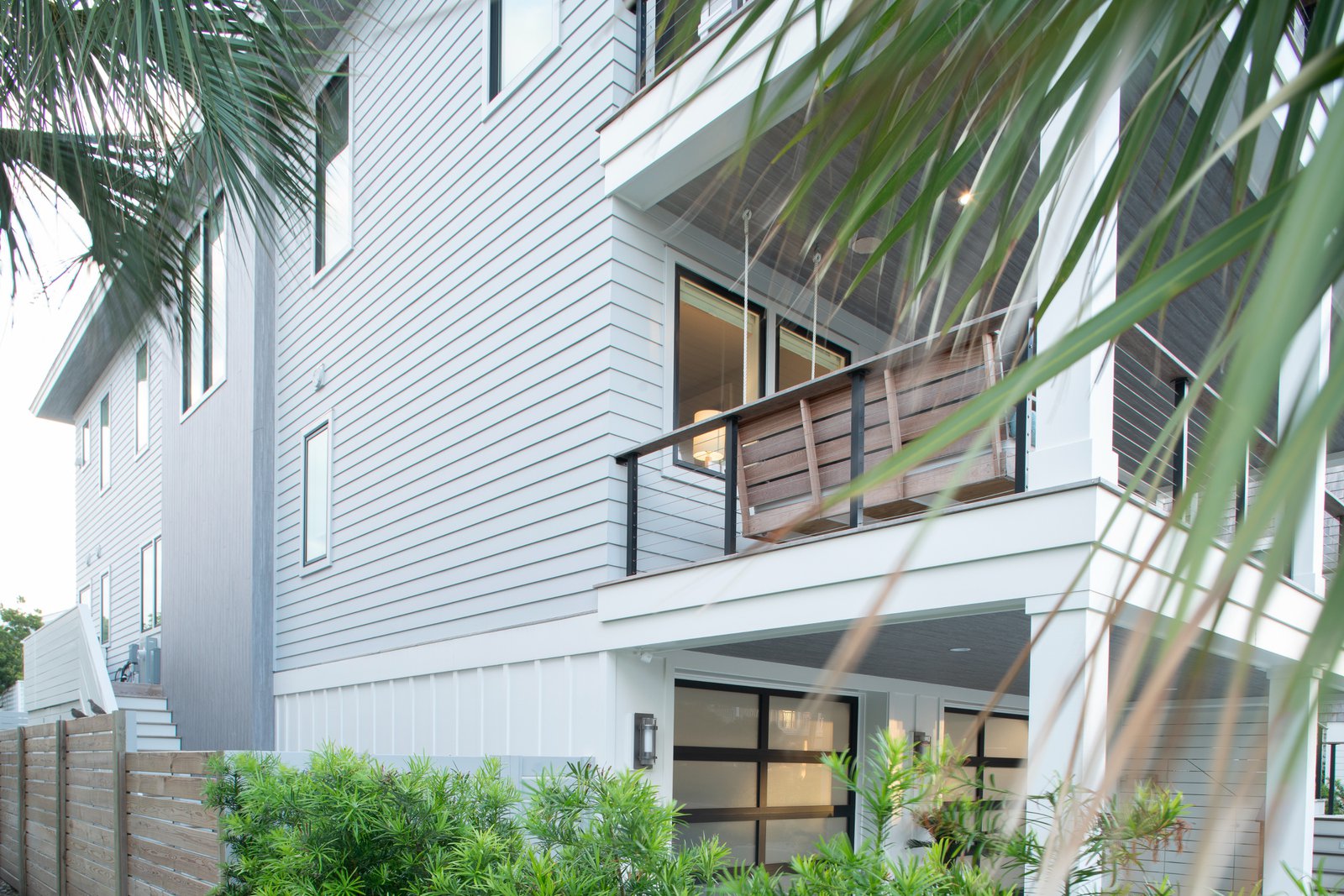
Installation does require skilled labor due to the material's weight and density. Improper installation can lead to cracking or moisture intrusion at seams. Fire resistance adds another benefit, since fiber cement does not fuel flames the way wood siding can.
2) Vinyl Siding Materials: Affordable and Low Maintenance
Vinyl remains one of the most cost-effective siding materials on the market today. Modern formulations resist fading, cracking, and moisture absorption better than older vinyl products. This makes it a reasonable option for homeowners balancing budget with performance.
Impact resistance has also improved significantly in recent years. Thicker vinyl panels hold up better against wind-driven debris during coastal storms. Choosing a higher gauge product improves durability without dramatically increasing overall cost.
Maintenance stays relatively simple with vinyl compared to other options. Regular rinsing removes salt residue and prevents buildup over time. Insulated vinyl panels have also gained popularity, adding energy efficiency behind the siding itself.
3) Engineered Wood Siding: A Natural Look with Better Resistance
Engineered wood offers a middle-ground solution for homeowners who love a natural aesthetic. These products replicate wood grain convincingly while resisting moisture better than solid wood. Manufacturing processes bond wood fibers with resins to improve overall strength.
This material typically costs less than solid wood but more than vinyl. It holds up well against minor impacts and resists warping in humid conditions. Many homeowners find this balance appealing when weighing appearance against long-term durability.
Maintenance requirements fall somewhere between vinyl and traditional wood as well. Occasional repainting keeps the surface protected against sun and moisture exposure. Most engineered wood products carry warranties covering 20 to 30 years of use.
4) Traditional Wood Siding: Classic Appeal, Higher Upkeep
Wood siding offers a classic, natural appearance that many homeowners find appealing. However, it demands significantly more maintenance in humid coastal environments. Without regular sealing and painting, wood absorbs moisture and becomes vulnerable to rot.
Cedar and cypress naturally resist decay better than most other wood species. Even these options still require periodic treatment to maintain their protective qualities. Skipping maintenance for even a year or two can accelerate deterioration considerably.
Pest activity presents another concern for wood siding near the coast. Termites and carpenter ants thrive in warm, humid climates like eastern North Carolina. Homeowners choosing wood should budget for both regular upkeep and periodic pest inspections.
5) Metal Siding: Durable Against Coastal Extremes
Steel and aluminum siding have grown in popularity for their strength and longevity. Metal resists pests, fire, and rot in ways that organic materials simply cannot match. Many products also carry finishes designed specifically to resist salt corrosion.
Denting remains a consideration in areas prone to hail or wind-driven debris. Higher-gauge steel panels reduce this risk considerably compared to thinner aluminum options. Homeowners in storm-prone areas often find the extra cost worthwhile for the added durability.
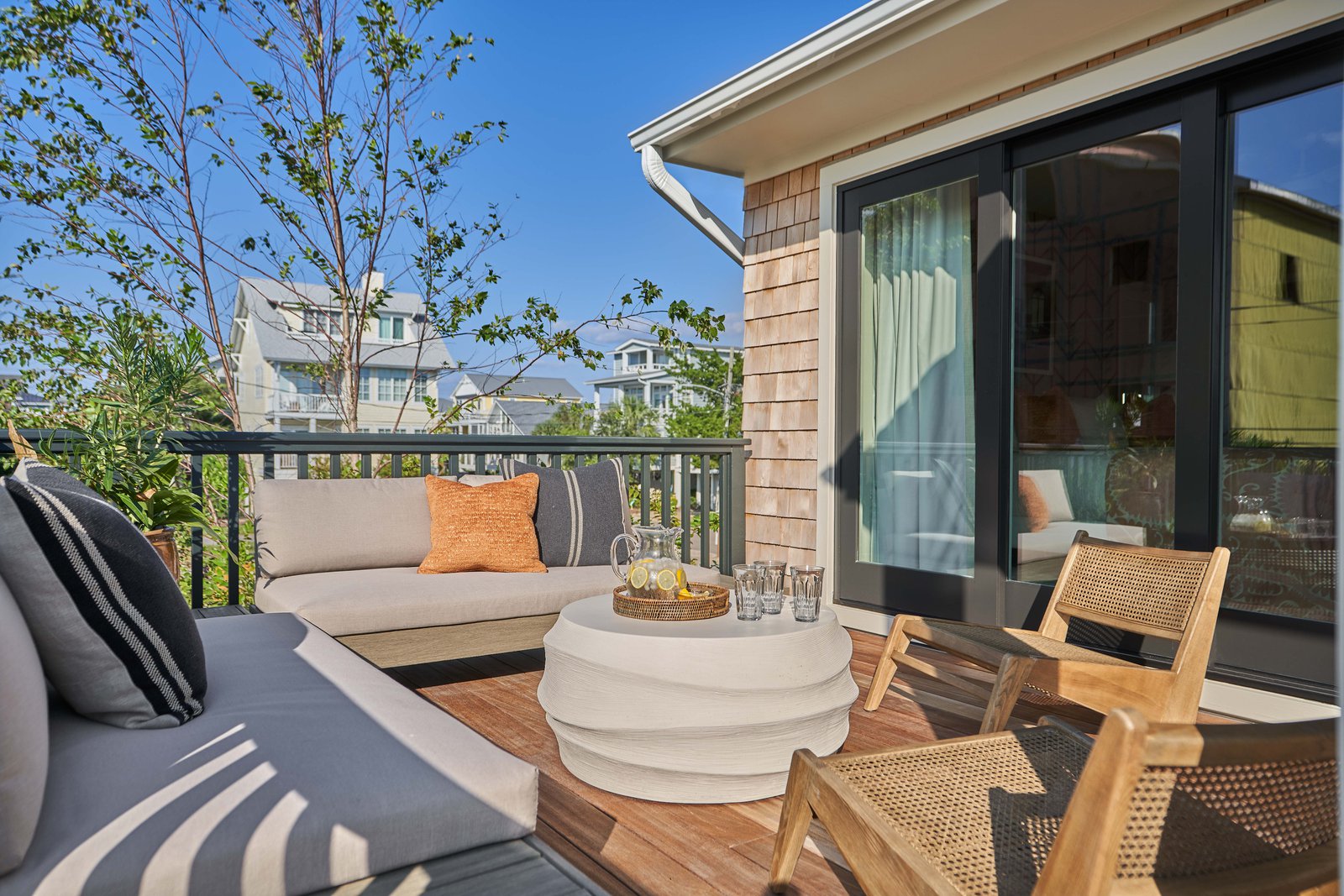
Metal siding also requires very little ongoing maintenance once installed correctly. Occasional cleaning keeps the surface free of salt residue and grime. Its long lifespan makes it a practical option for homeowners planning to stay put for decades.
6) How to Compare Siding Materials for Your Home
Upfront cost varies considerably across siding materials, but it tells only part of the story. Vinyl typically costs the least initially, while fiber cement and metal sit in a higher range. Wood and engineered wood often fall somewhere in between depending on the species and finish.
Appearance preferences also factor heavily into most decisions. Fiber cement and engineered wood now replicate natural wood grain convincingly for buyers who want that look. Vinyl and metal offer a wide range of colors and profiles at competitive price points.
Long-term value depends on how well a material withstands local conditions over decades. Climate plays a major role in that equation. Wilmington, NC experiences high humidity and frequent tropical storm activity, which makes durability especially important when comparing options.
Choose the Best Siding Materials That Suit Your Home
Selecting the right exterior finish protects a home against years of coastal exposure. Fiber cement, vinyl, engineered wood, traditional wood, and metal each offer distinct advantages depending on budget and maintenance preferences. The best choice balances durability, appearance, and long-term cost-effectiveness.
At Konrady & Son Construction, we help homeowners select siding materials suited to their specific property and budget. Our team brings four generations of building experience to every custom home and home renovation project. We understand which products perform best against salt air, humidity, and coastal storms.
Build the home of your dreams with a team that knows coastal construction inside and out. Contact us today and let’s start planning your project.