Choosing Durable Flooring for Homes Near the Ocean
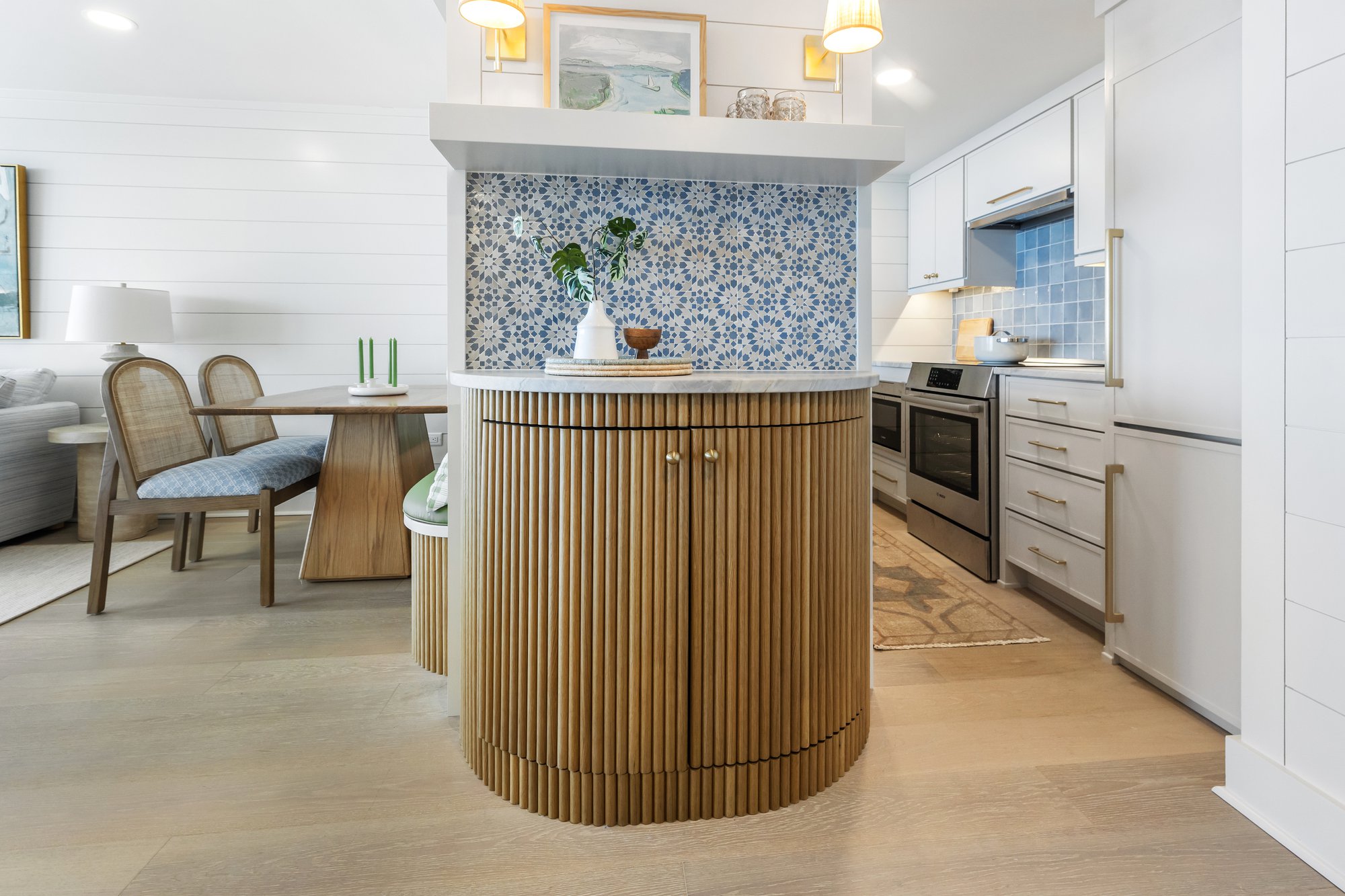
Flooring in a coastal home takes a beating that most inland homes never experience. Sand acts as a constant abrasive. Salt air accelerates wear on certain finishes. Humidity fluctuates dramatically between seasons, causing some materials to expand, contract, warp, or delaminate over time. Choosing durable flooring for an ocean-adjacent home requires evaluating materials not just on appearance but on how they perform under these specific conditions year after year.
This guide compares the most common flooring options for coastal homes and identifies which materials consistently deliver the best results.
Why Coastal Conditions Demand a Different Standard for Durable Flooring
The coastal environment creates a unique combination of stressors that standard flooring specifications are not designed to withstand. Relative humidity near the ocean regularly exceeds 70 to 80 percent during summer months, which causes moisture-sensitive materials to expand and buckle.
Salt particles suspended in the air settle on floor surfaces and work into finishes, dulling their appearance and accelerating surface degradation. Sand tracked in from the beach acts like fine-grit sandpaper underfoot, grinding into soft or porous floor materials with every step.
For homes that double as vacation rentals or receive heavy foot traffic from guests, the wear demands are even higher. The flooring materials that perform best in coastal homes share a common set of traits: dimensional stability in high humidity, resistance to surface abrasion, easy cleaning, and low ongoing maintenance requirements.
Porcelain and Ceramic Tile: The Most Durable Flooring for Coastal Homes
Porcelain tile is widely regarded as the most practical and durable flooring choice for coastal homes. It is dimensionally stable, meaning it does not expand or contract with humidity fluctuations the way wood-based materials do. It resists moisture, salt, and abrasion, and it cleans easily with nothing more than a damp mop.
Large-format porcelain tiles in plank or slab formats can convincingly replicate the look of hardwood or natural stone without the maintenance demands of either. Rectified porcelain tiles with tight grout joints minimize the surface area where sand and salt can accumulate.

For high-traffic coastal homes in Wilmington, NC, and the surrounding beach communities, porcelain tile delivers the best combination of performance, longevity, and aesthetic versatility of any flooring category. Ceramic tile is a close relative, though it is slightly more porous and less dense than porcelain and better suited to lower-traffic areas.
Hardwood Flooring: Beautiful but Demanding in Coastal Environments
Solid hardwood is one of the most desired flooring materials in custom homes, and coastal homeowners are understandably drawn to its warmth and character. The challenge is that solid hardwood is highly susceptible to the moisture and humidity conditions common in ocean-adjacent homes. Solid hardwood planks expand when humidity rises and contract when it drops, which can lead to gapping, cupping, and buckling over time in environments without precise climate control.
For coastal homes that are seasonally vacant or that experience periods without conditioned air, solid hardwood carries real risk. Engineered hardwood, which is constructed with a real wood veneer bonded to a dimensionally stable core, performs significantly better in humid coastal conditions. It still provides the authentic wood appearance and feel but tolerates humidity swings with far less movement. Even engineered hardwood, however, requires consistent humidity management and should not be used in spaces with direct water exposure or heavy sand traffic.
Luxury Vinyl Plank: A Practical Durable Flooring Option
Luxury vinyl plank (LVP) has become one of the most popular flooring choices in coastal residential construction, and the reasons are practical. High-quality LVP is 100 percent waterproof, dimensionally stable in high humidity, resistant to scratches and abrasion, and available in a wide range of wood and stone visual formats. It installs as a floating floor system, which means it can be removed and replaced in sections if damage occurs, a practical advantage in homes subject to storm flooding or plumbing failures.
The wear layer thickness of LVP products varies significantly. Coastal homes with heavy foot traffic should specify a minimum 20-mil wear layer for adequate durability. LVP sits lower in price than porcelain tile, hardwood, or stone, making it a cost-effective choice for large square footage applications or investment properties where the balance between performance and budget is critical.
Natural Stone: High-End Appeal with Specific Maintenance Needs
Natural stone flooring, including travertine, limestone, slate, and marble, brings a level of visual richness to coastal homes that manufactured materials cannot fully replicate. Its thermal mass keeps surfaces cool underfoot in warm coastal climates, which is a genuine comfort benefit.
The trade-off is maintenance. Most natural stone is porous and requires regular sealing to resist moisture, salt, and staining. Marble, in particular, is sensitive to acidic substances and abrasive foot traffic, making it better suited to lower-traffic areas like primary bathrooms and formal living spaces than to high-use entries, kitchens, or mudrooms.
Slate and certain granite varieties are denser and more resistant to surface wear, giving them better performance profiles for active coastal households. Homeowners who choose natural stone in coastal applications should budget for professional sealing on an annual or biannual basis depending on traffic and exposure levels.
Concrete Flooring: A Durable and Design-Forward Choice
Polished or stained concrete is an increasingly popular flooring choice in coastal custom homes, particularly in open-plan spaces that flow between interior and exterior areas. Concrete is dimensionally stable, highly durable, and resistant to moisture when properly sealed. Its thermal mass provides natural cooling benefits in warm climates.
Polished concrete pairs well with the clean, contemporary aesthetic common in modern coastal architecture. The primary consideration with concrete flooring is surface hardness. Concrete has no give underfoot, which can be tiring for extended standing and unforgiving for young children.

Area rugs placed over polished concrete address both comfort and safety concerns without compromising the material's performance benefits. Concrete flooring also requires periodic resealing, though less frequently than natural stone, to maintain its moisture resistance and surface appearance.
Comparing Durable Flooring Options Side by Side
Each flooring material suited to coastal homes has a distinct performance profile. Porcelain tile leads in moisture resistance, abrasion tolerance, and low maintenance, but it is hard underfoot and can feel cold in cooler months. Engineered hardwood delivers authentic wood aesthetics and moderate humidity tolerance, but requires climate control and cannot handle direct water exposure.
LVP offers full waterproofing and strong scratch resistance at a lower price point, though it lacks the premium feel of natural materials. Natural stone provides unmatched visual richness but demands regular sealing and careful material selection for high-traffic zones.
Concrete offers durability and design flexibility but requires comfort accommodations and periodic maintenance. The best choice for any coastal home depends on the specific space, the household's lifestyle, and the level of maintenance the homeowner is prepared to commit to long-term.
Building and Finishing Coastal Homes with Lasting Quality
Flooring selection is one of the most consequential finish decisions in any coastal home. The right material in the right space reduces long-term maintenance demands, protects the investment in the home's interior, and contributes to a finish quality that holds up beautifully for decades.
At Konrady & Son Construction, we build and renovate custom homes with a careful focus on material performance in coastal conditions. Our team guides clients through flooring selections that balance aesthetics, durability, and lifestyle demands at every stage of the build.
From large-format porcelain in high-traffic entries to engineered hardwood in primary living areas, we specify and install materials that perform as well as they look. Send us a message today.