How to Plan a Home Renovation Around Your Family’s Daily Routine
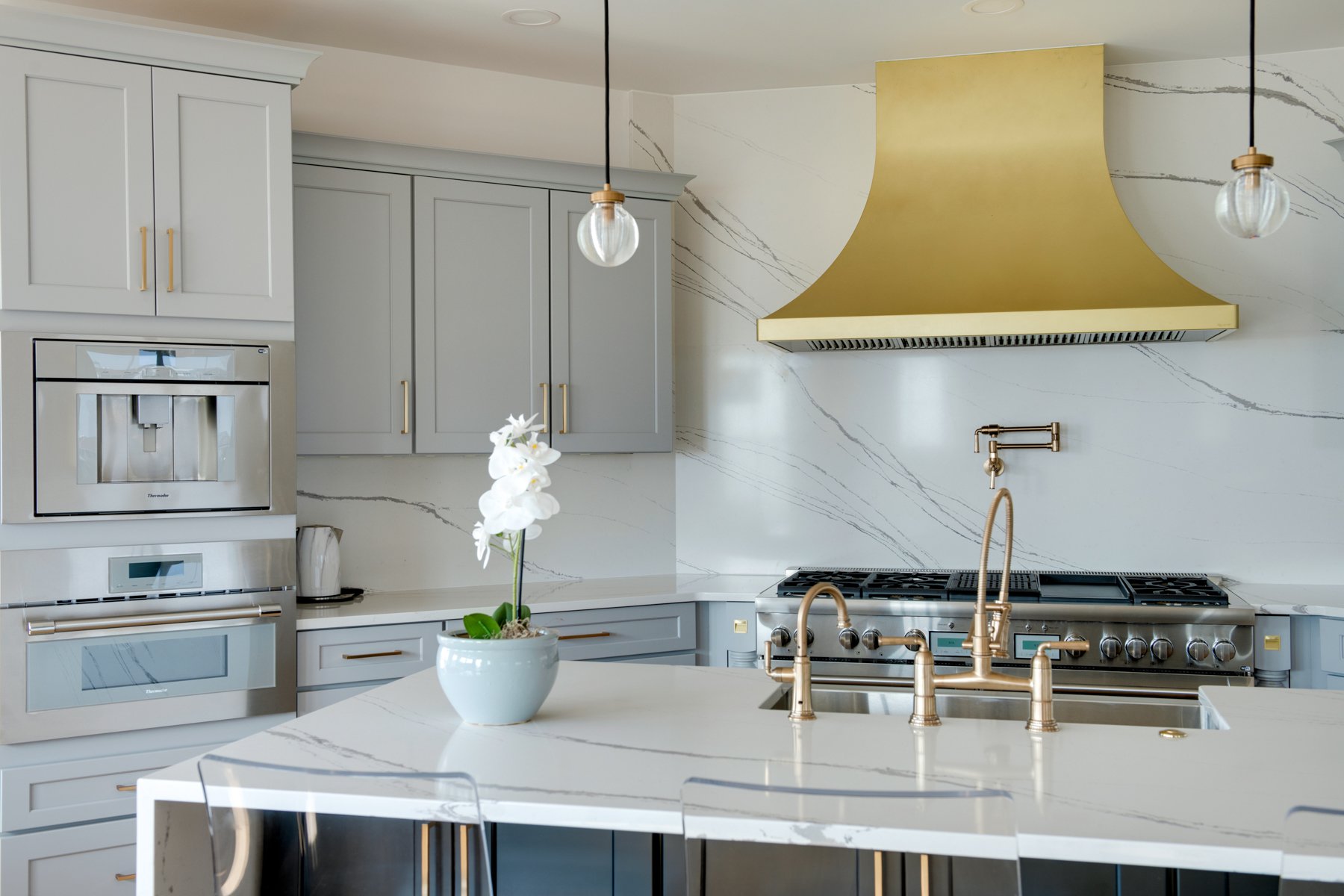
Every home supports a pattern of daily activity, from morning routines to evening downtime. These patterns influence how spaces are used and where improvements can make the biggest impact. A successful home renovation takes these routines into account from the start. Instead of focusing only on aesthetics, the design process centers on how people move, interact, and use each space throughout the day. This approach leads to a home that feels more organized, efficient, and comfortable.
Home Renovation Starts with Mapping Daily Routines
The first step in planning a home renovation is identifying how the home is currently used. Morning schedules, work-from-home needs, meal preparation, and evening activities all shape how spaces should function.
Tracking these patterns reveals areas where congestion or inefficiency occurs. For example, multiple people using the same bathroom at the same time may indicate a need for additional fixtures or improved layout. Entry points that collect clutter suggest the need for better storage solutions.
By mapping out daily routines, it becomes easier to prioritize renovations that directly improve quality of life. This process ensures that design decisions are based on real usage rather than assumptions.
Home Layouts That Improve Flow and Movement
Flow plays a critical role in how a home feels and functions. Poor layouts can create bottlenecks, while well-designed spaces allow for smooth movement between areas.
Open pathways between key zones such as the kitchen, living room, and entryway help reduce interruptions during busy times of day. Clear sightlines also improve visibility, making it easier to manage multiple activities at once.

In some cases, removing or repositioning walls can significantly improve circulation. Even small adjustments, such as widening doorways or reconfiguring furniture placement, contribute to a more efficient layout.
Designing for flow ensures that each part of the home supports daily routines rather than working against them.
Home Renovation Ideas for Functional Zones
Dividing the home into functional zones helps organize activities and reduce overlap between different uses. Each zone should be designed with a specific purpose in mind.
Kitchen zones can include areas for cooking, prep work, and storage, allowing multiple people to use the space without interference. Living areas can be arranged to support both relaxation and social interaction, with flexible seating and adaptable layouts.
Dedicated work or study areas provide separation from high-traffic zones, improving focus and productivity. Mudrooms or entry zones help manage transitions between indoor and outdoor spaces, keeping clutter contained.
By clearly defining these zones, the home becomes easier to navigate and more responsive to daily needs.
Storage Solutions for Everyday Efficiency
Storage is a key factor in maintaining an organized home. Without adequate storage, even well-designed spaces can quickly become cluttered.
Built-in cabinetry offers a practical solution for maximizing space. These features can be tailored to specific needs, such as storing sports equipment, school supplies, or household items. Hidden storage options, including under-stair compartments or integrated shelving, help maintain a clean and streamlined appearance.
Closets and pantry areas should be designed with accessibility in mind. Adjustable shelving and labeled sections make it easier to keep items organized and easy to find.
Effective storage solutions support daily routines by reducing the time and effort needed to manage belongings.
Home Renovation Designs That Support Flexibility
Homes often need to adapt to changing needs over time. A flexible design ensures that spaces remain useful as routines evolve.
Multi-purpose rooms provide versatility. A guest room can double as a home office, while a dining area can function as a workspace when needed. Furniture choices, such as foldable tables or modular seating, enhance this adaptability.
Designing with future needs in mind also helps extend the lifespan of the renovation. Features such as additional electrical outlets, adaptable lighting, and open layouts allow for easier adjustments down the line. Flexibility ensures that the home continues to meet the needs of its occupants without requiring constant updates.

Planning for Comfort and Privacy
Balancing shared spaces with private areas is essential for maintaining comfort within the home. While open layouts encourage interaction, designated quiet zones provide necessary separation.
Bedrooms should be positioned away from high-traffic areas whenever possible. Soundproofing elements, such as insulation or solid-core doors, help reduce noise and improve overall comfort.
Bathrooms and personal spaces should also be designed with privacy in mind. Strategic placement and thoughtful layouts ensure that these areas remain functional and accessible without disrupting the flow of the home. Creating a balance between openness and privacy supports both individual needs and shared experiences.
Why Home Renovation Planning Benefits from Professional Guidance
Planning a renovation around daily routines requires careful coordination. Layout changes, structural adjustments, and system upgrades must all work together to achieve the desired outcome.
Professional expertise ensures that these elements are integrated effectively. From initial design to final construction, a well-managed process helps avoid common challenges and delays. It also ensures that the finished space aligns with both functional needs and aesthetic preferences.
Working with experienced professionals provides confidence that the renovation will deliver long-term value and usability.
Build a Home That Works with Your Daily Life
Planning a home renovation around daily routines leads to spaces that feel more intuitive and efficient. By focusing on layout, storage, flexibility, and comfort, it is possible to create a home that supports every aspect of daily living.
Konrady & Son Construction delivers custom homes and renovations designed to align with how people actually live. We focus on thoughtful layouts, durable materials, and practical solutions that improve both functionality and long-term value. Start planning for the home of your dreams. Contact us today.