Understanding the Role of Structural Engineers in Custom Home Builds
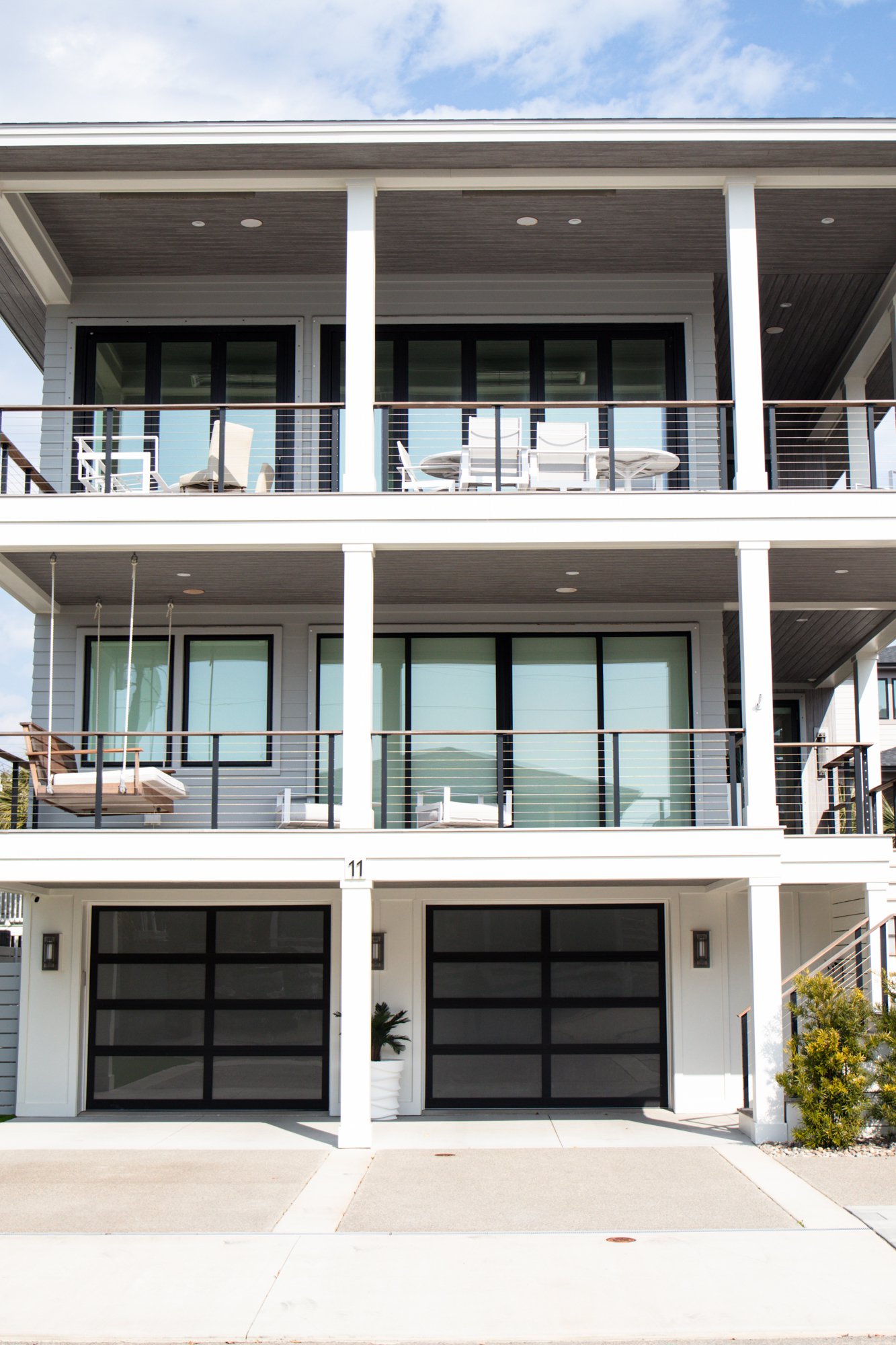
When planning custom home builds, many homeowners focus on aesthetics, layouts, and finishes—but the role of a structural engineer is just as crucial. Structural engineers ensure that the home’s framework is safe, stable, and built to last, supporting everything from foundations and load-bearing walls to roof systems and coastal resilience measures.
For young families and homeowners building in coastal or challenging environments, understanding what structural engineers do—and why they are essential—can make a significant difference in the success of a custom home build.
Ensuring Safety and Structural Integrity
The primary responsibility of a structural engineer in custom home builds is safety. They analyze load paths, structural materials, and potential stress points to ensure the home can withstand environmental forces such as wind, rain, or seismic activity.
During the design phase, structural engineers review architectural plans to identify potential issues with foundations, framing, or roof systems. They also recommend materials and construction techniques that enhance stability without compromising aesthetics. By addressing these concerns early, structural engineers help prevent costly modifications during construction and ensure a strong, durable home.
Collaborating With Architects and Builders
Successful custom home builds require close collaboration between structural engineers, architects, and general contractors. Engineers translate design concepts into structural systems that meet safety standards and local building codes.
They provide detailed drawings and specifications that guide builders during construction. This collaboration ensures that the final home reflects the homeowner’s vision while remaining structurally sound, functional, and compliant with regulations.

Designing for Environmental Challenges
Coastal homes and properties in unique landscapes face additional structural challenges. High winds, salt air, water intrusion, and shifting soil can all impact long-term durability. Structural engineers recommend design strategies and materials that address these risks.
For example, elevated foundations, reinforced framing, hurricane straps, and corrosion-resistant materials may be incorporated into a custom home build to ensure resilience. Engineers also advise on load distribution, drainage solutions, and anchoring systems to prevent structural damage over time.
Reviewing Foundations and Framing
Foundations are the backbone of any home, and structural engineers play a central role in determining the best approach for each site. Soil testing, grading, and load-bearing analysis allow engineers to specify the proper foundation type—whether slab, pier and beam, or elevated coastal construction.
Framing is equally critical. Structural engineers ensure that beams, joists, and trusses are properly sized and positioned to support the home’s weight and meet safety standards. Their expertise ensures that the structure remains stable through decades of use and environmental stressors.
Supporting Permits and Building Code Compliance
Structural engineers are also essential for navigating local building codes and permitting processes. They prepare reports, calculations, and drawings required for permit approvals, ensuring that custom home builds meet legal and safety requirements.
This step is particularly important in coastal areas or regions with strict construction regulations. By involving structural engineers early, homeowners can avoid costly delays, code violations, or redesigns during the construction process.

Problem-Solving and Innovative Solutions
Every custom home build comes with unique challenges. Structural engineers apply problem-solving skills to overcome difficult site conditions, unusual architectural designs, or environmental constraints.
Their solutions might include reinforced concrete for cantilevered decks, steel supports for open-concept spaces, or custom truss designs for vaulted ceilings. By integrating safety and creativity, engineers allow homeowners and architects to realize ambitious design goals without compromising structural integrity.
Communicating the Importance to Homeowners
Understanding the value of a structural engineer helps homeowners make informed decisions during their custom home builds. Engineers not only ensure safety but also optimize materials, reduce long-term maintenance costs, and enhance the home’s resale value.
Homeowners who collaborate closely with engineers can anticipate challenges, plan effectively, and enjoy peace of mind knowing their home is built on a solid foundation—literally and figuratively.
Bringing It All Together
Structural engineers are integral to every successful custom home build. From foundations and framing to environmental resilience and code compliance, their expertise protects homeowners and enhances the longevity of the property.
At Konrady & Son Construction, we work closely with skilled structural engineers to ensure every custom home we build is safe, durable, and designed to last. Whether planning a coastal residence, a modern family home, or a luxury retreat, our team integrates engineering expertise with thoughtful design to bring your vision to life.
Contact Konrady & Son Construction today to learn how our approach to custom home builds combines aesthetics, functionality, and structural integrity for a home you can trust for decades.