How Site Orientation Impacts Comfort, Views, and Energy Use in Coastal Homes
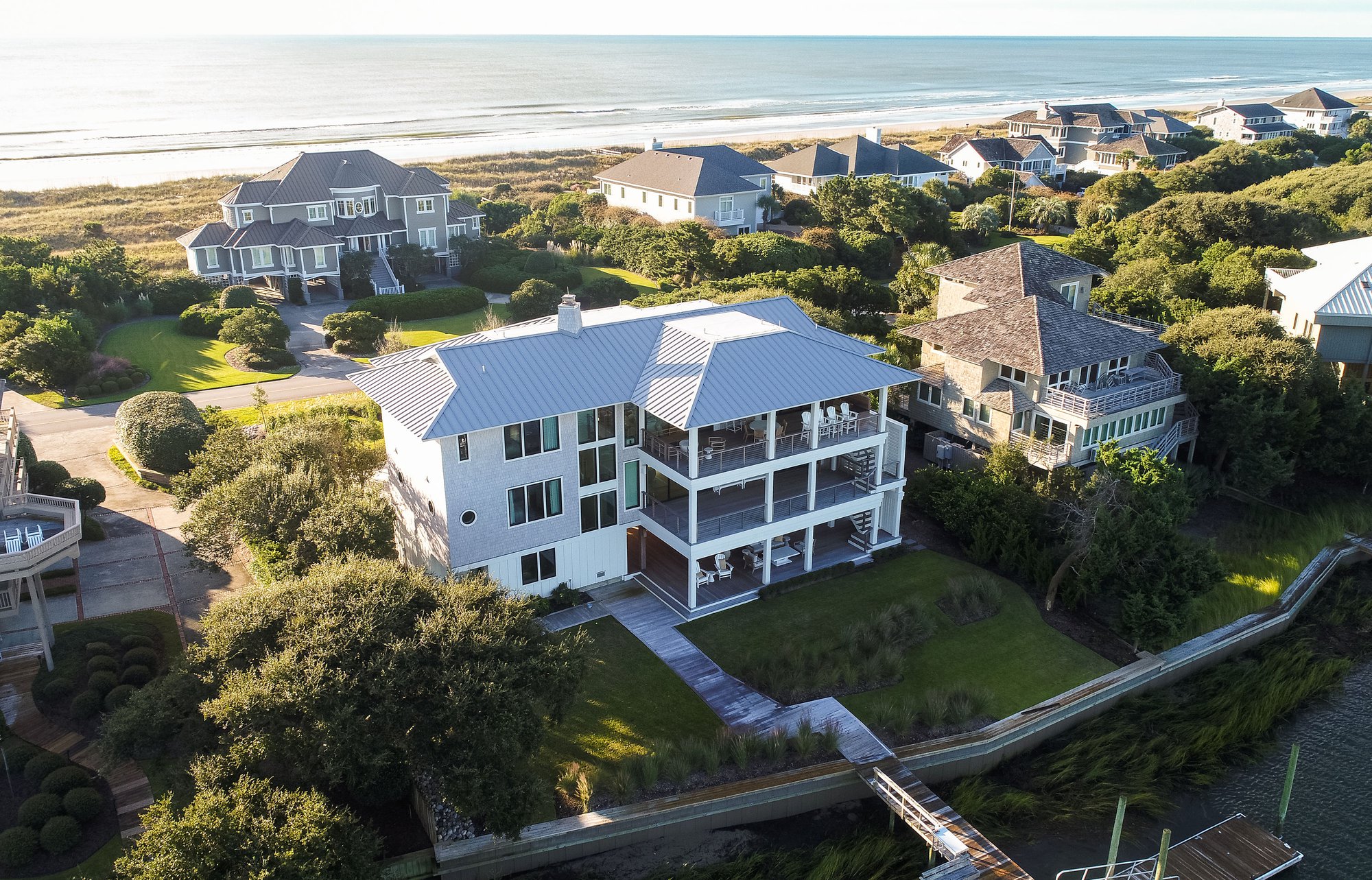
A beautiful custom home isn’t defined by finishes alone—it’s shaped by how it interacts with the land around it. In coastal regions especially, site orientation plays a major role in determining how comfortable your home feels, how much natural light it receives, and even how much energy it consumes throughout the year.
The way a home sits on a lot affects everything from sunrise views over the water to how strong afternoon heat feels inside your living room. For homeowners building or renovating in coastal homes, understanding site orientation early in the design process can lead to a home that feels brighter, more comfortable, and more efficient.
Before finalizing your home design, it’s worth exploring how thoughtful site orientation can enhance both daily living and long-term performance.
Natural Light and Everyday Comfort
One of the most noticeable effects of site orientation is the amount of natural light that enters your home. The direction your home faces determines when and where sunlight moves through interior spaces.
In coastal climates, a south-facing orientation often provides balanced daylight throughout the day. Living areas that face south or southeast can receive gentle morning light without excessive afternoon heat. This creates bright, welcoming spaces for kitchens, family rooms, and dining areas where families tend to spend the most time.
On the other hand, large west-facing windows may capture beautiful sunsets but can also introduce intense afternoon heat. Without careful design considerations—such as shading, overhangs, or window placement—these areas may become uncomfortably warm during summer months.
Thoughtful site orientation allows architects and builders to position rooms in ways that maximize natural light while maintaining indoor comfort.
Capturing Coastal Views
For many homeowners, the appeal of building near the coast lies in the scenery. Ocean views, marsh landscapes, and coastal sunsets are often the defining features of a property.
Proper site orientation ensures that the most important spaces in the home take full advantage of these views. Instead of placing large windows in secondary rooms, designers can align living rooms, kitchens, and primary bedrooms toward the most scenic directions.
Outdoor living areas also benefit from this planning. Porches, decks, and patios can be positioned to frame water views while avoiding harsh wind exposure or direct afternoon sun. A covered porch facing east, for example, can offer peaceful sunrise views and comfortable morning breezes.
By aligning the home with the surrounding landscape, site orientation helps create a stronger connection between indoor spaces and the natural environment.

Energy Efficiency and Long-Term Savings
Beyond comfort and aesthetics, site orientation also affects how efficiently a home uses energy.
Sunlight can be both beneficial and challenging. During cooler months, solar exposure can naturally warm interior spaces and reduce heating costs. However, during hot coastal summers, too much direct sunlight can increase cooling demands.
A well-oriented home takes advantage of natural solar patterns. Strategic window placement, roof overhangs, and shading elements can allow winter sunlight to enter while limiting summer heat gain. This passive design approach helps maintain comfortable indoor temperatures without relying heavily on HVAC systems.
Over time, these design decisions can significantly reduce energy consumption while improving year-round comfort for the homeowners.
Coastal Winds and Natural Ventilation
Coastal environments are known for their steady breezes, and thoughtful site orientation can use these natural airflow patterns to enhance indoor comfort.
Positioning windows and doors to encourage cross ventilation allows fresh air to circulate through the home. When aligned with prevailing wind directions, breezes can move naturally through hallways, living areas, and bedrooms.
This natural airflow not only improves comfort but also reduces the need for constant air conditioning during milder seasons. Homes that capture coastal breezes effectively often feel cooler and fresher, especially during spring and fall months.
Site orientation helps builders determine the best placement for windows, porches, and openings that take advantage of these natural ventilation opportunities.
Privacy and Outdoor Living
Privacy is a key aspect of site orientation. In coastal neighborhoods, the placement of windows and outdoor spaces can greatly affect comfort and livability.
Orienting living areas away from neighbors or busy streets creates quieter, more private spaces. Landscaping and architectural features can further enhance privacy and complement the home’s design.
Outdoor areas also benefit from careful positioning. Thoughtful site orientation ensures patios and decks avoid harsh sun or strong winds, making them comfortable and inviting for everyday use and entertaining.

Planning Site Orientation Early in the Building Process
The most successful custom homes consider site orientation long before construction begins. Evaluating how the property interacts with sunlight, wind, and surrounding views helps guide decisions about layout, window placement, and outdoor living areas.
Key factors to review when evaluating site orientation include:
- The direction of sunrise and sunset
- Prevailing coastal wind patterns
- Natural views and landscape features
- Neighboring structures and privacy considerations
- Seasonal sun exposure and potential shading opportunities
By studying these elements early, builders and homeowners can make informed design decisions and avoid costly adjustments later in the construction process.
Building a Coastal Home That Works with the Land
A well-designed coastal home doesn’t fight its environment—it works with it. From maximizing ocean views to improving natural airflow and energy efficiency, the right site orientation can transform how a home looks, feels, and performs for years to come.
At Konrady & Son Construction, thoughtful planning is a core part of the custom home process. By carefully evaluating each property’s layout, landscape, and natural conditions, the team helps homeowners design spaces that feel both beautiful and functional.
If you’re planning a custom home or renovation, contact Konrady & Son Construction to learn how expert design and thoughtful site planning can bring your vision to life.