Picking the Perfect Match: Tips on Choosing Floor Tiles and Wallpapers
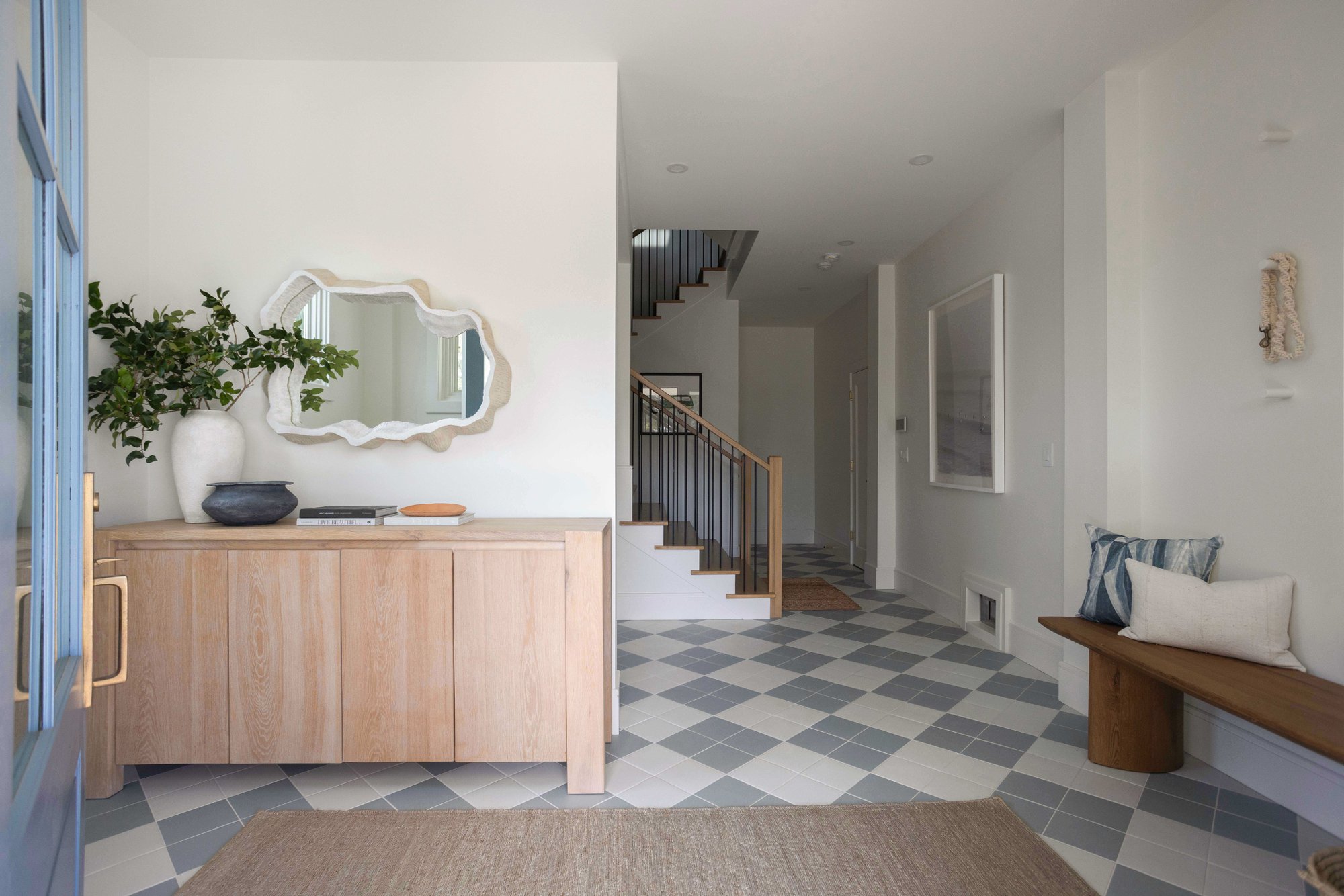
When it comes to elevating your home’s look and feel, few decisions have as much impact as your choice of floor tiles and wallpapers. With so many colors, patterns, and materials available, making the right choice can feel overwhelming. The good news? A few well-grounded interior design tips can help you confidently pair tiles and wallpapers that suit each room’s purpose, lighting, and lifestyle needs.
Start With the Function of the Room
Before focusing on colors or patterns, consider how the room is used. Function should always guide form, especially in areas that see daily wear and tear. A design that looks great but doesn’t hold up to real life will quickly lose its appeal.
High-traffic areas like kitchens, hallways, and entryways benefit from durable, easy-to-clean materials such as porcelain or ceramic tile. Bedrooms and living rooms, on the other hand, can prioritize comfort and visual warmth, making wallpaper accents or softer flooring alternatives more appealing.
Bathrooms demand moisture-resistant materials, while dining areas allow for more decorative freedom. Understanding these functional differences is one of the most practical interior design tips you can apply early in the planning process.
Choosing the Right Colors for Each Space
Color plays a powerful role in shaping the mood and perceived size of a room. Light colors such as whites, creams, soft grays, and pale blues reflect natural light and make smaller or darker rooms feel more open and airy. These shades are especially effective in bathrooms, kitchens, and compact spaces with limited windows.

Darker tones like charcoal, navy, forest green, or warm browns add depth and sophistication to larger rooms. They work particularly well in living rooms, dining rooms, or bedrooms where you want a cozy, grounded atmosphere. For a cohesive look throughout the home, it’s often helpful to stick to a consistent color family while varying shades, textures, or finishes from room to room.
Interior Design Tips for Picking Tiles
Tile patterns can dramatically influence how a room feels, but they should always complement the space rather than overwhelm it. The size of the room, the amount of natural light, and the surrounding finishes all play a role in determining which patterns work best. Choosing the right pattern ensures visual interest without sacrificing functionality.
Kitchens
Simple patterns such as straight-lay or subtle herringbone designs work well in kitchens. Neutral or lightly patterned tiles allow cabinetry, countertops, and appliances to take center stage. If you want visual interest, consider patterned tiles for a backsplash rather than the entire floor.
Bathrooms
Bathrooms are perfect for bolder tile choices because of their smaller footprint. Mosaic tiles, encaustic-style patterns, or geometric designs add personality without overwhelming the space. Smaller tiles also provide better slip resistance, making them a smart and stylish option for wet areas.
Living Areas
In open-concept spaces, large-format tiles with minimal grout lines create a clean, modern look and help visually expand the room. Wood-look tiles are especially popular, offering the warmth of hardwood with superior durability.
When Tiles Outperform Floorboards
Hardwood floors are timeless, but tile often proves to be the more practical option in many areas of the home. Tiles are highly resistant to moisture, scratches, and stains, making them ideal for busy households. They also hold up better in environments where temperature and humidity fluctuate.
Bathrooms, kitchens, laundry rooms, and mudrooms are particularly well-suited for tile flooring. Homes with pets or children also benefit from tile’s durability and easy maintenance.
Advances in tile manufacturing mean you can achieve the look of wood, stone, or concrete without the upkeep those materials require. This flexibility is one of the most valuable interior design tips for modern homes.
Interior Design Tips for Picking Wallpaper
Wallpaper has made a strong comeback, and modern designs offer more versatility than ever before. Today’s options range from subtle textures to bold, artistic statements that can transform an entire room. Choosing the right pattern depends largely on the size and purpose of the space.
Small-scale patterns work well in compact rooms or areas with lots of fixtures, such as powder rooms or home offices. They add interest and depth without making the space feel crowded. Larger-scale or more dramatic patterns are best used in feature areas, such as accent walls in living rooms, dining rooms, or behind a bed’s headboard.
To maintain balance, patterned wallpaper should be paired with solid or understated flooring. Allowing one major visual element to take center stage helps the room feel intentional rather than busy. This balance is one of the most reliable interior design tips for achieving a polished look.
When Wallpaper Is Better Than Paint
While paint remains a classic and flexible choice, wallpaper offers distinct advantages in certain situations. Wallpaper can introduce texture, dimension, and intricate design details that paint simply cannot replicate. It also provides an opportunity to make a strong design statement without changing architectural elements.

Wallpaper is especially effective when you want to create a focal wall or add visual depth to a room. It can also help conceal minor wall imperfections, such as uneven surfaces or small cracks. In low-moisture areas like bedrooms, hallways, and dining rooms, modern wallpaper can be just as durable as paint while offering greater visual impact.
Coordinating Tiles and Wallpapers Seamlessly
The key to pairing tiles and wallpapers successfully lies in achieving visual balance. If your floor tile features bold veining, strong color variation, or a detailed pattern, it’s best to choose a more subtle wallpaper. Conversely, highly decorative wallpaper pairs best with neutral or minimalist flooring.
Lighting plays a significant role in how both tiles and wallpapers appear once installed. Natural and artificial light can dramatically change colors, tones, and textures. Always review samples together in the actual room to ensure they complement each other under real conditions.
Build the Home of Your Dreams with These Interior Design Tips
Selecting the perfect combination of tiles and wallpapers is part art, part strategy. From understanding room function to balancing colors, patterns, and materials, thoughtful choices make all the difference in a successful renovation.
At Konrady & Son Construction, we help homeowners make confident design decisions during custom home builds and renovations, from selecting the right floor tiles to choosing wallpapers that elevate each room. Our team takes a long-term approach to interior finishes, ensuring every material choice supports lasting comfort, durability, and visual appeal. Contact us today.