Remodeling for Aging in Place by the Coast
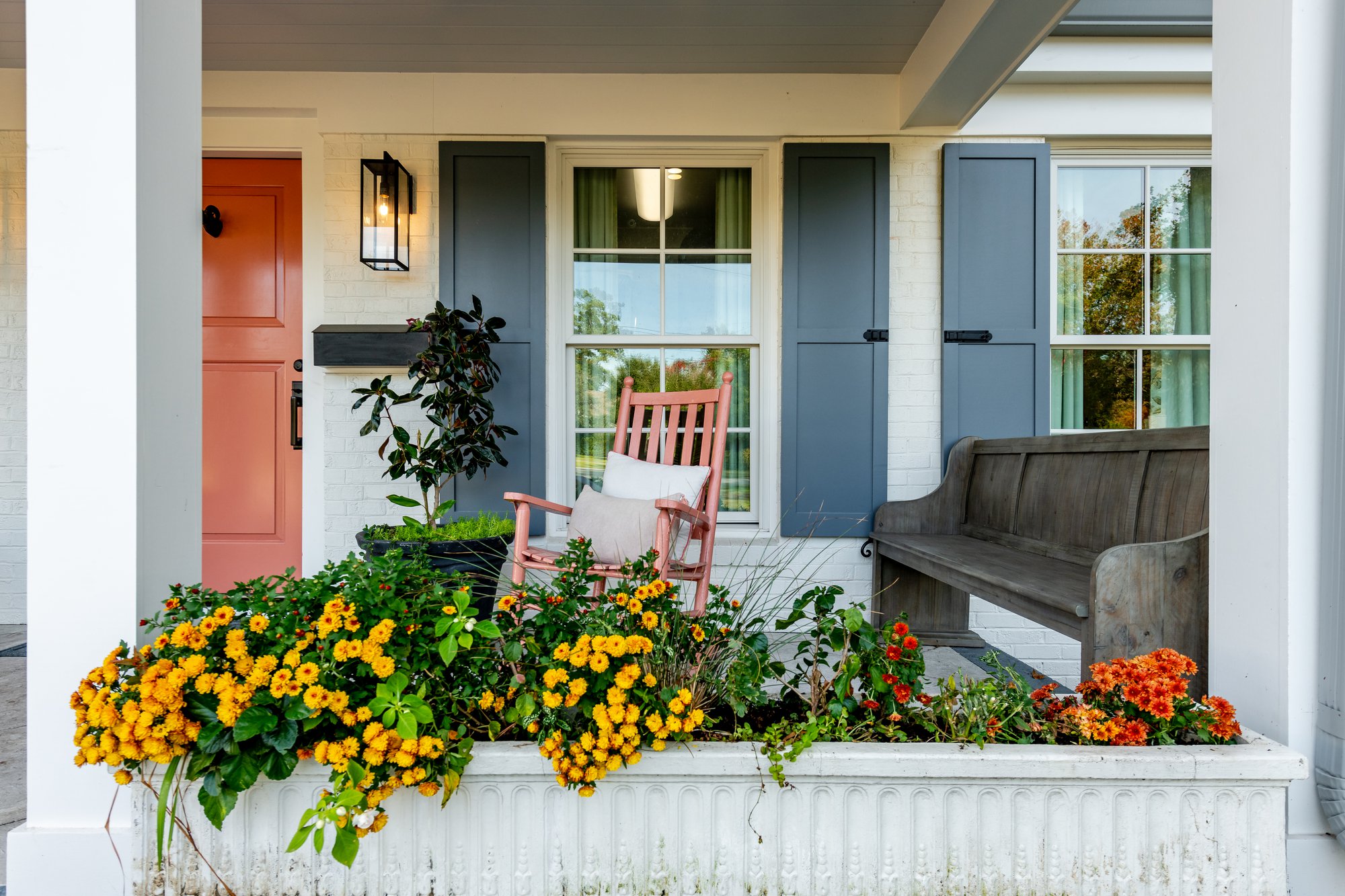
Many homeowners choose the coast not just for a season, but for the long term. Home remodeling plays a critical role in making that long-term plan realistic, especially when the goal is to remain comfortable, safe, and independent as needs change. Aging in place by the coast brings unique considerations that go beyond standard accessibility. Salt air, humidity, storms, and elevation all influence how remodeling decisions should be approached.
Aging in place does not mean sacrificing style or livability. When done thoughtfully, remodeling can support mobility, safety, and ease of use while preserving the character and performance of a coastal home.
How Home Remodeling Supports Aging in Place
Aging in place focuses on reducing physical strain and improving safety without making a home feel clinical. Home remodeling for this purpose prioritizes intuitive layouts, smooth transitions, and features that adapt to changing abilities.
Wide pathways, reduced level changes, and improved lighting all support daily comfort. These changes become even more important in coastal homes where stairs, raised foundations, and outdoor exposure are common. Remodeling with foresight allows homeowners to enjoy their space confidently without constant adjustments.

Layout Decisions That Matter in Coastal Home Remodeling
Layout is one of the most impactful aspects of aging-in-place remodeling. Coastal homes often feature elevated living areas, multiple levels, and strong connections to outdoor spaces. These features need to be evaluated carefully.
Single-level living, whether achieved through reconfiguration or strategic additions, simplifies movement throughout the home. When stairs are unavoidable, proper handrails, consistent riser heights, and space for future lifts improve long-term usability. Clear circulation paths reduce fall risk and support independence.
Home remodeling that addresses layout early often delivers the greatest long-term benefit.
Bathrooms and Kitchens in Aging in Place Remodeling
Bathrooms and kitchens see daily use and present higher risk if not designed properly. In coastal environments, moisture control and durability must be combined with accessibility.
Curbless showers, non-slip flooring, and well-placed grab bars improve safety without detracting from design. Vanities and countertops designed for seated or standing use add flexibility. In kitchens, thoughtful storage heights, easy-to-operate hardware, and ample lighting reduce strain.
These spaces benefit most when accessibility is integrated seamlessly rather than added later.
Entryways, Transitions, and Outdoor Access
Coastal living often includes decks, porches, and outdoor gathering spaces. Home remodeling for aging in place should address how these areas are accessed.
Smooth transitions between interior and exterior spaces reduce tripping hazards. Covered entries protect against rain and wind while improving comfort. Door thresholds should be minimized where possible, especially in elevated homes.
Safe and easy outdoor access encourages continued enjoyment of the coastal environment without unnecessary risk.
Materials and Finishes for Long-Term Use
Material selection matters more when remodeling for aging in place. Coastal conditions demand finishes that resist corrosion, moisture, and wear while remaining easy to maintain.
Flooring should provide traction and durability. Hardware and fixtures should be easy to grip and operate. Exterior materials must withstand salt exposure without frequent upkeep. These choices support independence by reducing the need for constant maintenance or replacement.
Durable materials help homes remain comfortable and functional over time.
Lighting and Visibility in Home Remodeling
Lighting plays a key role in both safety and comfort. As vision changes with age, adequate and well-placed lighting becomes increasingly important.
Layered lighting improves visibility in work areas and walkways. Natural light supports daily rhythms while reducing reliance on artificial lighting. In coastal homes, glare control is also important due to reflective surfaces and strong sunlight.
Thoughtful lighting design enhances confidence and reduces accidents.

Storm Protection and Resilience for Aging in Place
Aging in place by the coast requires confidence during severe weather. Home remodeling should account for storm readiness and resilience.
Impact-rated windows, reinforced doors, and storm protection systems reduce vulnerability during high winds. Secure storage for outdoor items and clear emergency access routes support safety. These features reduce stress and disruption during storm events.
Resilient homes allow homeowners to remain in place comfortably even as conditions become challenging.
Coordinating Home Remodeling With Future Needs
Aging-in-place remodeling works best when future needs are anticipated rather than reacted to. Pre-planning for features such as additional support hardware, adaptable spaces, or future accessibility upgrades reduces cost and disruption later.
Even small decisions such as wall reinforcement for future grab bars or electrical planning for mobility equipment can make a significant difference. Home remodeling becomes more effective when flexibility is built in from the start.
Aging in Place With Confidence Along the Coast
Remodeling for aging in place by the coast blends accessibility, durability, and thoughtful design. When coastal conditions are accounted for alongside changing needs, homes remain comfortable and supportive for years to come.
At Konrady & Son Construction, we approach home remodeling, property services, and storm protection with long-term living in mind. Our experience with coastal environments helps ensure aging-in-place solutions enhance safety without compromising comfort or design. Reach out today.