Elevation, Flood Zones, and Coastal Home Design Decisions
The shape and feel of a coastal home often start long before finishes and floor plans come into focus. Coastal home design is shaped early by elevation requirements and flood zone regulations, which influence how a home sits on its lot, how spaces are arranged, and how well the structure holds up over time. In coastal areas, these factors are not obstacles to working around later. They are foundational decisions that affect comfort, safety, cost, and long-term resilience from the start.
Homes built near the coast must respond to water, wind, and shifting ground conditions. Elevation and flood zone rules exist to reduce damage from storm surge and flooding, but they also create design opportunities when addressed early and thoughtfully.
Coastal Home Design and Flood Zones Explained
Flood zones identify areas at varying risk of flooding and help determine how high a home must be elevated above base flood elevation levels. These zones are typically established through flood maps and updated as conditions change. For homeowners, flood zones influence foundation type, finished floor height, and even how utilities are installed.
In coastal home design, flood zone requirements are not only about meeting code. They help guide smarter planning decisions that protect the structure and reduce long term exposure to water damage. Homes built without careful attention to flood zones often face higher insurance costs, limited design flexibility, and increased maintenance over time.

How Elevation Shapes Coastal Home Design Layouts
Elevation requirements have a direct impact on how a home is laid out. When the main living space must sit several feet above grade, designers often reimagine circulation, entry points, and how indoor and outdoor spaces connect.
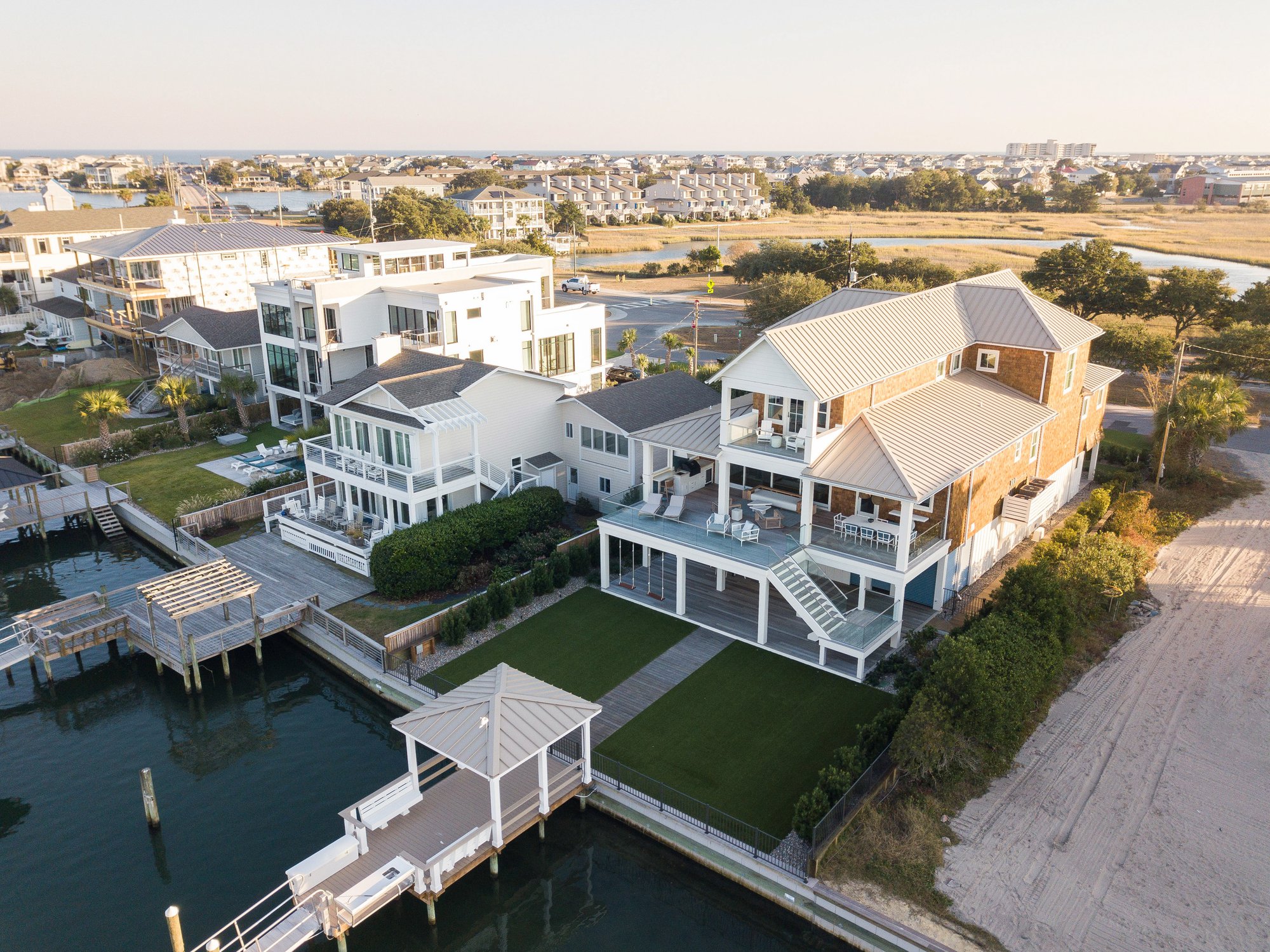
Raised homes frequently incorporate ground-level areas for parking, storage, or flexible outdoor living spaces that can withstand occasional water exposure. Stairs, elevators, and entry transitions become part of the architectural story rather than afterthoughts. Inside the home, elevated views can improve natural light and create stronger visual connections to the surrounding landscape.
In well planned coastal home design, elevation enhances livability instead of limiting it. The key is integrating elevation into the layout early so it supports daily routines and long-term use.
Cost Considerations Tied to Elevation and Flood Zones
Elevation and flood zone compliance do influence construction costs, but those costs should be viewed in context. Higher foundations, reinforced materials, and specialized construction methods can increase upfront investment. However, they often reduce long-term expenses tied to repairs, insurance premiums, and storm-related damage.
Building to proper elevation standards can also prevent costly retrofits later. Homes that fail to meet evolving flood requirements may face limitations when renovating or selling. Addressing elevation correctly during initial construction or major renovation protects both financial and structural value.
Thoughtful coastal home design balances immediate budget considerations with long-term resilience and ownership costs.
Coastal Home Design and Long-Term Resilience
Resilience is a central goal of coastal home design. Elevation works in tandem with other protective strategies to help homes withstand storms and flooding. When a structure is elevated properly, water can pass beneath the living areas without causing significant damage.
Elevation also supports better airflow under the home, which can reduce moisture-related issues over time. Combined with durable materials and smart detailing, elevated construction helps homes age more gracefully in challenging coastal environments.
Long-term resilience is not about preparing for a single storm. It is about designing a home that performs well year after year, even as weather patterns and regulations evolve.
Integrating Storm Protection Into Coastal Home Design
Elevation alone is not enough. Coastal home design benefits from a coordinated approach that includes storm protection systems, structural reinforcement, and material selection. Elevated homes can be paired with impact-rated windows, reinforced roofing systems, and flood-resistant materials at lower levels.
When these elements are designed together, the home functions as a unified system rather than a collection of isolated features. This integrated approach reduces weak points and improves overall performance during severe weather events.
Renovations and Elevation Challenges in Coastal Homes
For existing homes, elevation requirements can present unique challenges during renovations. Homes built decades ago may not meet current flood standards, which can complicate expansions or major upgrades. Raising a home or modifying foundations requires careful evaluation of structure, utilities, and access.

Renovation-focused coastal home design must account for how new work interacts with existing conditions. Elevating portions of a home or reworking lower levels demands coordination between design, engineering, and construction teams to ensure safety and compliance.
Addressing these challenges thoughtfully can extend the life of a coastal home while improving resilience and usability.
Planning Ahead for Coastal Home Design Success
Successful coastal home design begins with clear understanding and early planning. Elevation and flood zone requirements are not boxes to check late in the process. They influence nearly every major decision, from site planning to interior flow.
Working with a builder who understands coastal conditions helps homeowners make informed choices that balance design vision with practical performance. Elevation can support beautiful spaces, strong connections to the outdoors, and peace of mind when weather conditions become unpredictable.
Building With Confidence Along the Coast
Elevation and flood zone considerations shape how coastal homes look, function, and endure. When addressed early, they become powerful tools for creating homes that are comfortable, resilient, and well-suited to their environment.
At Konrady & Son Construction, we help homeowners navigate these decisions through custom home building, renovations, property services, and storm protection solutions. Our team brings practical coastal experience into every phase of the process so design and durability work together seamlessly.
Ready to build the home of your dreams? Contact us today.