What Builders Should Know About North Carolina’s New Zoning and Parking Laws
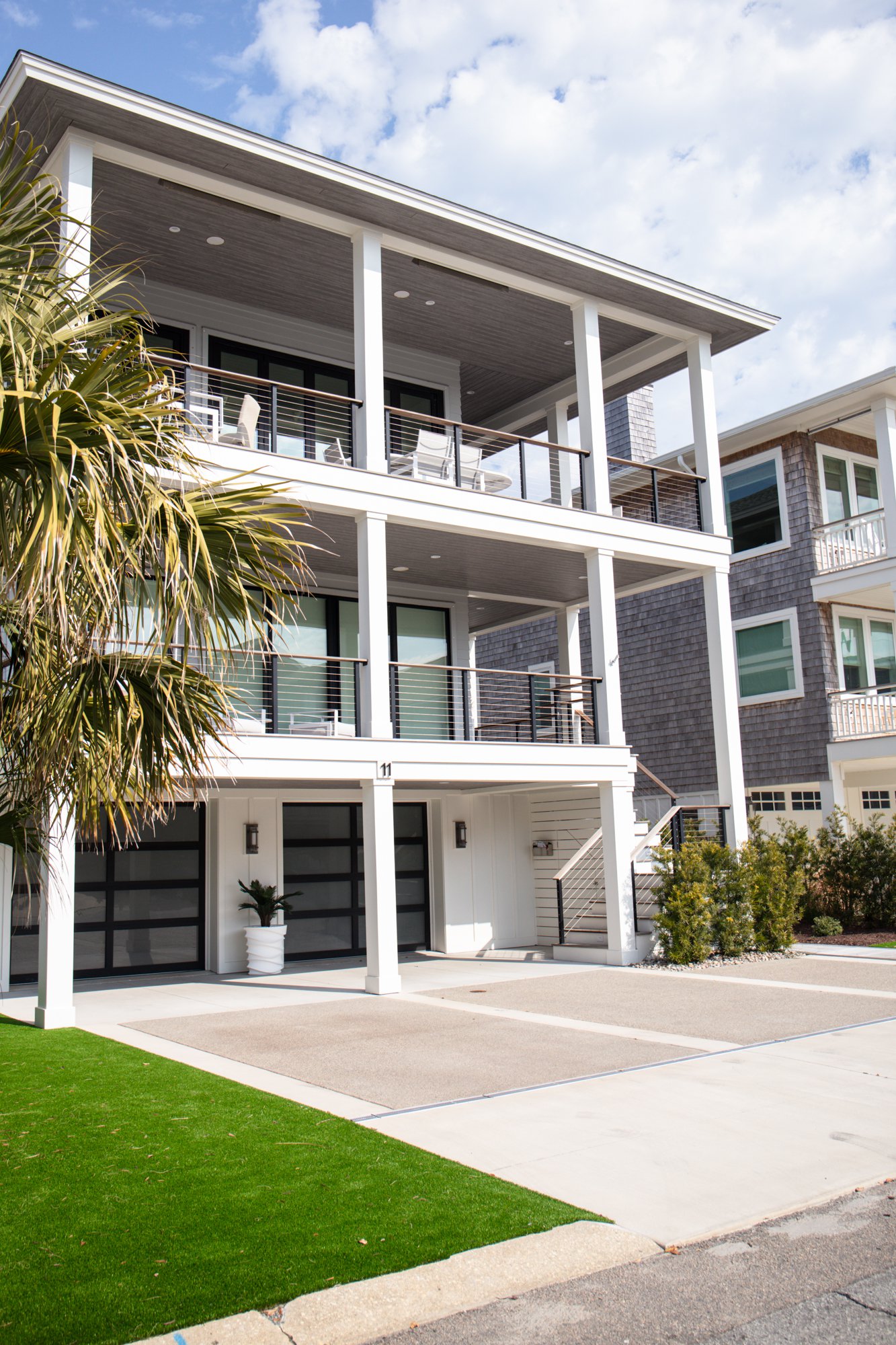
Change arrives quietly in most neighborhoods, long before the sound of construction equipment follows. Recent shifts in North Carolina construction regulations are already rewriting how homes, townhouses, and mixed-use developments take shape across the state. Zoning rules and parking requirements that once dictated everything from lot size to driveway space have entered a new phase. These revisions are influencing design, density, timelines, and long-term property value.
Policy updates rarely affect only one aspect of construction. They ripple through planning departments, architectural plans, lending criteria, and ultimately the daily decisions made on job sites. Builders who track these regulatory movements are better positioned to optimize space, avoid costly delays, and unlock new development opportunities.
How North Carolina Construction Regulations Are Evolving
Regulatory changes in North Carolina focus on eliminating barriers that have slowed housing production for years. Officials aim to increase housing supply, support infrastructure growth, and encourage thoughtful density in areas where demand continues to rise. These updates create flexibility in locations that were once limited by rigid zoning patterns and outdated classifications.
Local governments now operate with incentives to welcome housing diversity across urban, suburban, and coastal regions. New frameworks allow more residential construction within commercial districts, while some single-use designations are giving way to mixed development potential. This flexibility creates space for innovation while requiring a stronger command of compliance requirements.
Builders must now navigate overlapping layers of local and statewide standards that influence how land is classified, how many units can be built, and how structures interact with public infrastructure. While the framework expands opportunity, it also raises expectations for precision and documentation.

Zoning Updates Adjust What Is Possible on a Single Lot
One of the most visible zoning updates involves density allowances on parcels that once supported only one structure. Many municipalities are revising rules to encourage duplexes, accessory dwellings, and compact development models. These changes redefine what builders can propose and what planning departments now approve.
Design strategies once shaped by setback limits and minimum lot sizes are evolving. Homes may now be placed closer together, with allowances for shared walls or converted units. Neighborhoods are becoming more layered, mixing residential types and use cases within walkable distances.
Builders accustomed to traditional layouts must now account for community impact, infrastructure load, and integration with existing streetscapes. Density brings responsibility along with opportunity. Smart layouts, parking flow planning, and drainage control play a greater role in project approval than ever before.
Parking Reform NC Changes Development Math
Parking reform NC has begun loosening restrictions that once slowed development and increased costs. Many local governments now permit reduced parking minimums or eliminate them entirely in certain zones. Builders are discovering greater flexibility in how much land must be dedicated to vehicle storage.
This shift directly influences project design. Space formerly reserved for parking can now support square footage, green areas, or additional units. Developments can prioritize pedestrian flow, landscaping, and utility access rather than sacrificing land to underused pavement.
However, parking solutions still require strategic thought. While mandates may disappear, demand does not. Builders must study traffic patterns, neighborhood behavior, and transportation access to determine how much parking makes sense for each site.
Mixed-Use Development Gains Ground
Town centers and urban corridors are evolving under new policies that support residential units above retail and office spaces. Mixed-use design once faced zoning barriers that now ease significantly. Builders can develop vertically where they once could not.
Mixed-use projects offer long-term stability through diversified occupancy. Residential tenants support commercial activity, while businesses provide convenience for residents. Communities benefit from efficient land use and stronger tax bases.
Builders entering this space must consider noise control, structural load distribution, and shared utilities. Each component affects approval processes, inspections, and maintenance demands. Well-executed mixed-use development requires skillful coordination between design teams and construction professionals.
Permits now involve multi-use compliance instead of single-purpose approvals. While paperwork increases, opportunity grows in parallel. Builders who master the process unlock valuable urban and suburban parcels previously sidelined by outdated codes.
Project Timelines Gain New Dependencies
Regulatory updates do not simply expand what can be built. They also add new variables to construction schedules. Permit processing evolves as cities adjust workflows, train staff, and revise internal standards.
Builders who factor regulatory review into their timelines mitigate surprises. Coordination with planning departments now begins earlier in the design phase. Submitting compliant plans on the first review has become essential for avoiding costly delays.
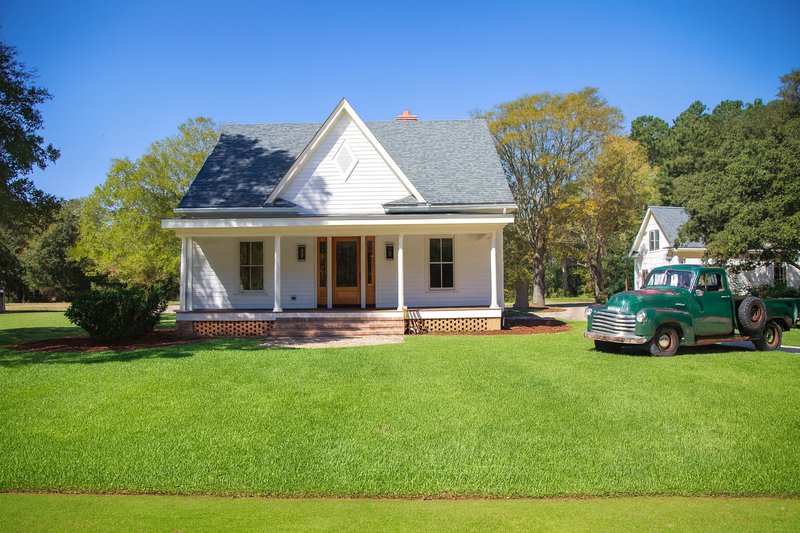
Zoning interpretation also affects contract sequencing. Material orders, site preparation, and utility coordination depend on approved layouts. When zoning changes alter building placement or unit count, schedules shift accordingly.
Staying informed limits disruption. Builders who maintain up-to-date compliance awareness protect budgets, timelines, and client expectations.
Building Within a Changing Framework
Regulatory change invites progress when paired with preparation. North Carolina construction regulations continue moving toward flexible land use and streamlined urban growth. Builders who adapt their planning processes gain an edge.
Design efficiency, site utilization, and compliance knowledge now shape project success as much as craftsmanship. Builders who integrate policy awareness into early planning avoid rework and revisions.
The rules governing construction now influence long-term asset value as strongly as market trends. Homes and developments rise within a system that rewards compliance, foresight, and adaptable design.
Designing Confidence into Every Project
Each zoning change and parking policy adjustment reshapes the future of building in North Carolina. The path forward belongs to those who blend construction expertise with regulatory insight.
At Konrady & Son Construction, we guide projects from concept to completion with a firm understanding of local regulations, design potential, and practical execution. From custom homes to renovations and property services, our work reflects both compliance and craftsmanship. Reach out to us today.