Top Coastal Construction Trends Shaping 2026
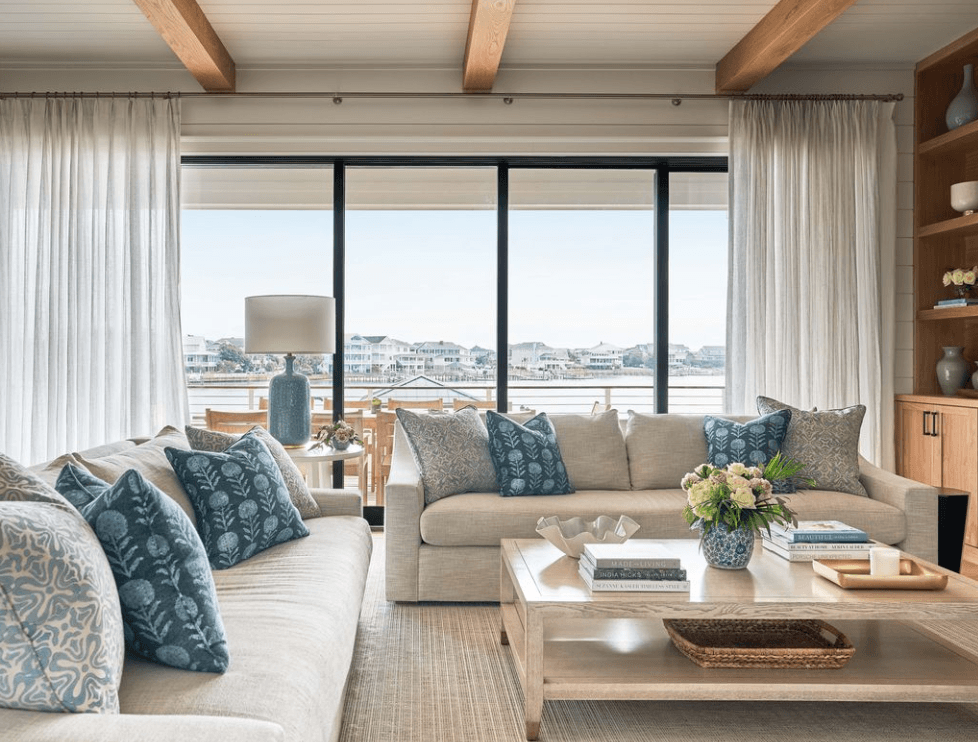
Coastal construction along the North Carolina shoreline continues to evolve as builders, architects, and homeowners adapt to changing weather patterns, design ideas, and building technologies. Every year introduces new materials and methods that influence how coastal homes look, feel, and perform. In 2026, coastal construction is shaped by a blend of resilience-focused engineering and thoughtful design choices that enhance beauty while protecting homes from salt air, moisture, and storm exposure.
Across Wilmington and surrounding communities, interest in high-performing coastal homes has grown steadily. People want structures that reflect modern style while holding up to the demands of the coastal environment. That combination of aesthetics and durability drives the trends that define this year’s construction landscape.
Coastal Construction Trends in North Carolina
Coastal regions in North Carolina have long required a higher standard of craftsmanship, and the current direction of design reflects this ongoing commitment to resilience. Builders are incorporating smarter materials, stronger foundations, and engineered layouts that support safety without sacrificing creativity. These coastal construction trends in North Carolina continue to shape the way new homes are conceived and built.
One of the biggest shifts is the adoption of high-efficiency products that mitigate moisture and improve interior comfort. Coastal weather changes quickly from humid summers to stormy seasons, so the interior environment must remain steady and secure. Updated insulation systems, better air sealing, and refined HVAC equipment help homes maintain consistent temperature and humidity levels. This creates a healthier and more comfortable living space year-round.
Durability is just as important as comfort. Builders continue to move toward materials that perform well in salt-heavy air. Fiber cement siding, corrosion-resistant fasteners, and treated framing elements have become standard choices in new coastal homes. These materials maintain their structural integrity even when exposed to the harsh coastal climate for long periods.
Advanced Storm Resilience
North Carolina’s coastal communities continue to emphasize safety as a central component of new home design. Stronger structural fastening systems, improved roof designs, and impact-rated glass offer better protection during storms. These additions may not be immediately visible, but they shape the home’s ability to withstand strong winds and pressure changes.
In many new projects, the building envelope receives particular attention. Doors and windows must stand up to repeated exposure to humidity and heavy rain, so quality products with certified ratings are becoming more common. Homeowners gain peace of mind knowing that the most vulnerable points of their home have added protection.
Open Layouts Paired with Natural Light
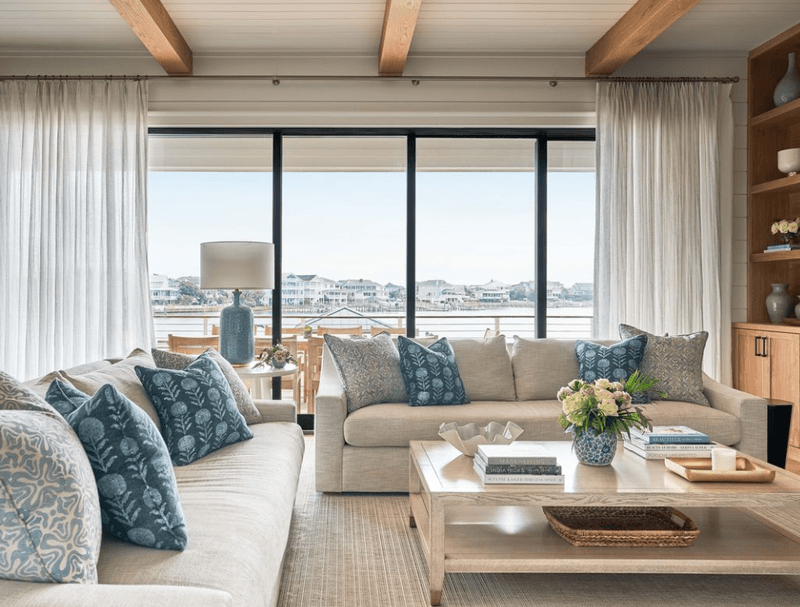
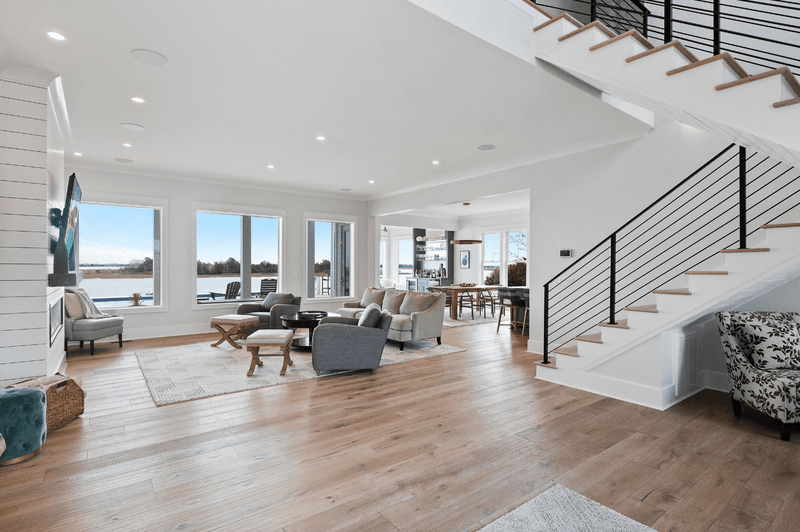
Design trends for 2026 lean into airy, open spaces that highlight coastal surroundings. Many families choose homes that feel connected to the outdoors, especially in neighborhoods close to the ocean or riverfront. This has led to wider window designs, taller ceilings, and open concept living areas that give a home a more expansive feel.
Large sliding doors and window walls help blend indoor and outdoor spaces. Porch and deck designs have also evolved, becoming extensions of the main living areas rather than separate spaces. Builders use moisture-resistant materials in these areas to support long-term durability.
These choices pair beautifully with natural light. Coastal homes benefit from brightness, and modern window placement maximizes sunlight without compromising energy performance. This trend supports both aesthetic and functional goals while strengthening the relationship between the home and its natural surroundings.
Smarter Building Materials and Technology
Innovation continues to influence coastal construction, especially in the area of home technology. Smart ventilation systems help reduce humidity and improve air quality. Automated blinds, lighting systems, and thermostats adjust according to weather and interior conditions. These additions support comfort and energy efficiency while giving homeowners greater control.
Material technology has also advanced. Cement-based siding, composite decking, and engineered trim products now come with improved warranties and better resistance to moisture. These materials keep homes looking fresh for longer periods and require less annual maintenance. Builders who understand the properties of each product can blend them into the home’s design seamlessly.
Elevated Designs with Purpose
Elevation continues to be a defining feature of coastal building, and new approaches to foundation design have become more refined. Modern elevated homes focus on both structural strength and visual appeal. Raised foundations provide safety, while clever design elements help the structure blend naturally with the environment.
Homeowners also appreciate the functional benefits of elevated living. Space beneath the home is often transformed into storage areas, shaded seating, or covered parking. As elevations rise to meet updated codes, these under-home spaces become part of the design rather than an afterthought. This approach allows for creative and useful adaptations throughout the property.
A Renewed Focus on Energy Efficiency
Energy efficiency is now a standard expectation across new home construction. In coastal environments, efficient systems serve a dual purpose. They create a more comfortable indoor environment and help manage long-term costs associated with heating, cooling, and humidity control.
Solar-ready roofing, improved insulation, and high-performing windows contribute to sustainability and durability. Homes built with energy efficiency in mind often maintain better temperature balance and experience fewer issues with interior condensation. These changes create healthier living environments while reducing environmental impact.
Builders are increasingly incorporating materials like cool roofing, reflective coatings, and green insulation products into their plans. These choices help homes meet modern efficiency standards while supporting a cleaner coastal environment.
Natural Coastal Aesthetics
Coastal design continues to embrace natural textures, calming colors, and organic materials. Homeowners and designers gravitate toward wood tones, stone accents, and warm neutral palettes that reflect the surrounding landscape. These design elements create peaceful interiors and complement the outdoor scenery.
Exterior finishes follow this same trend. Many homes feature soft coastal hues, weather-tolerant woods, and stone foundations that harmonize with dunes, marshlands, and ocean views. Builders are finding creative ways to introduce natural materials into outdoor spaces, creating cohesive visual themes that run from interior to exterior.
The goal is not imitation but integration. New construction projects along the coast reflect the surrounding environment rather than competing with it.
Bringing Coastal Construction Trends Into Practice
These trends highlight the priorities shaping coastal construction as Wilmington continues to grow. Every decision, from material selection to structural planning, contributes to a stronger, safer, and more beautiful coastal home. The focus on resilience, efficiency, and design allows homes to stand confidently while embracing the benefits of coastal life.
Homeowners benefit from construction methods that reduce maintenance demands, improve comfort, and protect property value. Builders benefit from more effective tools, refined systems, and improved material performance. Together, these changes define the homebuilding landscape for 2026 and set the stage for future innovation.
At Konrady & Son Construction, we incorporate these trends into every coastal project with attention to detail and a commitment to quality. Our team works closely with engineers, designers, and homeowners to create homes that reflect the strengths of modern construction while honoring the natural beauty of the Carolina coast. Ready to build your dream home? Get in touch today.