How Modern Home Renovations Transform Older Beach Houses
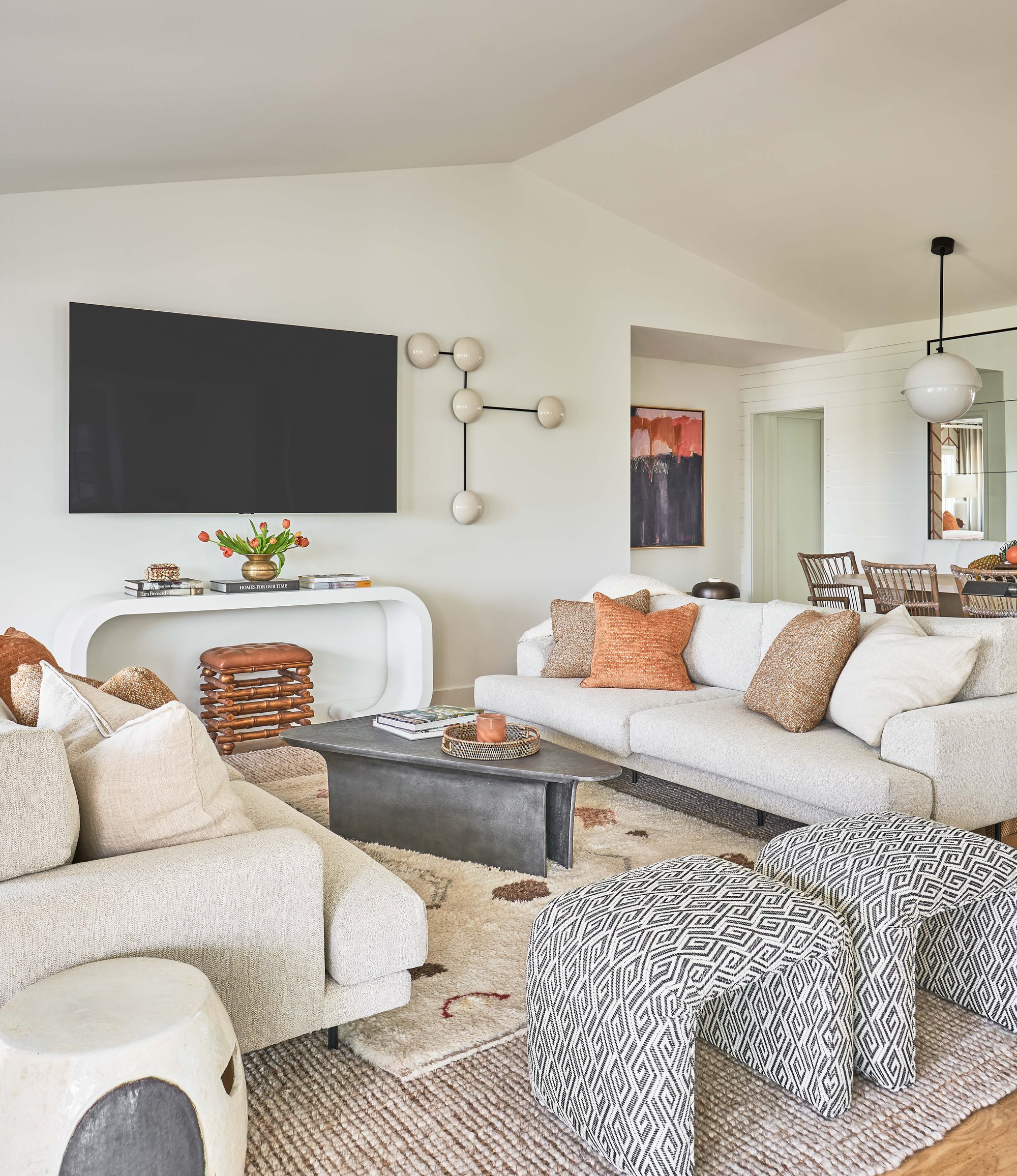
Coastal neighborhoods in North Carolina are filled with older beach houses that have character, charm, and incredible locations. Many of these properties were built for a different era, long before today’s building materials, energy systems, and safety requirements existed. Bringing them up to modern expectations requires thoughtful planning and a careful balance between preservation and performance. Renovations that focus on structure, comfort, and coastal durability allow these homes to shine again, and modern home renovations play a major role in that transformation.
Updating an older beach home is more than refreshing finishes. Coastal conditions shape everything from airflow and material performance to long-term structural stability. Homes built decades ago often lack insulation suited for humid climates, storm-resistant connections, or layouts that reflect contemporary living. Renovations create an opportunity to reimagine these spaces so they remain safe, efficient, and beautifully aligned with coastal living.
Why Older Beach Houses Need Modern Home Renovations
Beach homes built in earlier decades were designed for simpler seasonal use. Many were summer cottages with minimal insulation, limited ventilation strategies, outdated windows, and foundations that suffered from moisture exposure. The salt air, coastal storms, and humid summers place continuous pressure on structures, and over time these forces create wear that requires more than cosmetic attention.
Modern expectations for comfort also differ from the design priorities of older coastal houses. Families now look for open living areas, sunlight, efficient HVAC systems, and durable materials that can withstand heavy use and coastal weather. Renovations allow the original charm of these homes to remain intact while bringing them in line with current building practices.
Structural Improvements Through Modern Home Renovations
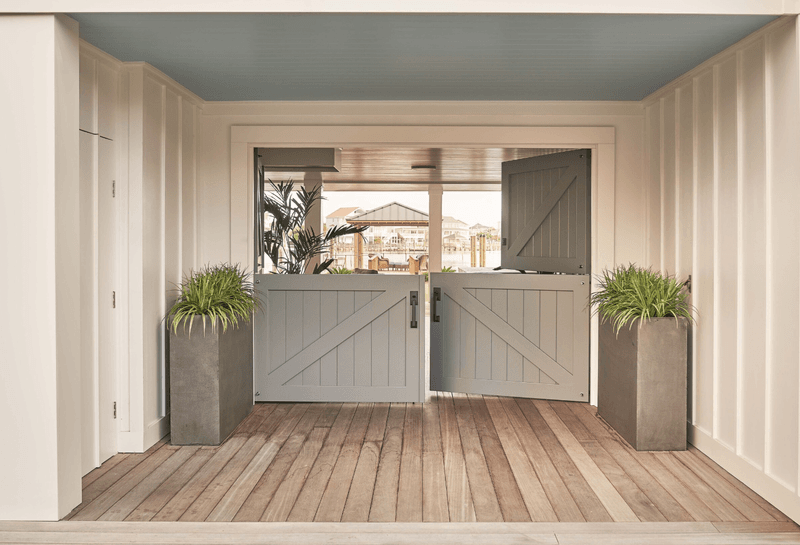
The first step in modernizing an older beach home often involves structural evaluation. Builders assess framing, foundations, roofing, and load paths to determine how the home performs under coastal conditions. Strengthening the structure ensures that updates are not simply visual but contribute to long-term safety and stability.
Elevating mechanical systems, adding improved tie downs, reinforcing roof connections, or addressing foundation concerns supports both comfort and resilience. Many older beach houses were designed with minimal storm protection, so part of the renovation process involves upgrading features that enhance safety. This is especially important when builders explore interior changes. Removing walls to create open layouts or expanding window openings requires attention to the home’s structural integrity and local coastal regulations.
Blending Old Charm with Modern Comfort
Modern renovations are most successful when they preserve the personality of a coastal home while introducing updated function. Wood paneling, original beams, or vintage flooring can be incorporated into new designs that feel intentional rather than outdated. Builders often retain the architectural language of historic beach houses while introducing new systems that improve everyday life.
Replacing old windows with energy-efficient, impact-rated models allows more natural light while improving protection. Updated insulation and new HVAC systems create consistent comfort without sacrificing the home’s original character. Kitchens and bathrooms benefit greatly from modern upgrades that align with coastal style, and today’s materials offer durability along with elevated design.
Enhancing Layouts and Living Flow
Older coastal homes often contain smaller rooms, segmented living spaces, and limited connection to outdoor areas. Modern renovation strategies focus on improving flow by opening walls, expanding views, and creating bright, functional spaces that support coastal living.
Open layout design works well in beach houses because it allows breezes to move through the home, improves ventilation, and takes full advantage of natural light. Builders carefully remove barriers, reconfigure floor plans, and add structural support where needed. The result is a home that feels larger and more welcoming without losing its original appeal.
Deck extensions, screened rooms, and improved exterior access further integrate the home with its surroundings. These updates respond to how families use coastal homes today, encouraging more time spent outdoors and easier movement between interior and exterior spaces.
Addressing Moisture, Temperature, and Salt Air
Renovation contractors familiar with coastal conditions understand the importance of managing moisture and temperature. Salt air accelerates wear on fasteners, hinges, and exterior surfaces. Humidity impacts drywall, flooring, insulation, and air quality. Older homes often show signs of these stresses in the form of warping, sagging, or corrosion.
Modern renovation practices include improved vapor barriers, upgraded insulation, sealed crawl spaces, and corrosion-resistant materials. Builders select products specifically designed for coastal performance, allowing the renovated home to maintain its beauty and integrity despite harsh conditions. These choices extend the lifespan of the home and reduce long-term maintenance needs, making them an essential component of any renovation project along the coast.
Navigating Flood Zones, FEMA Rules, and Coastal Regulations
Updating older beach homes comes with regulatory challenges that go beyond typical renovation hurdles. Flood zone maps and elevation requirements have changed over the years, and many older coastal homes no longer meet current standards. One of the biggest factors is the FEMA-enforced 50% rule, which local permitting authorities strictly apply.
Under this rule, if renovation costs exceed 50% of the home’s assessed value (excluding land), the structure must be brought into full compliance with current floodplain regulations. This can greatly affect the scope of work and often requires detailed planning to ensure the project remains feasible.
Because of these restrictions, remodeling an older beach home often demands close collaboration among the homeowner, architect, designer, builder, and local permitting agencies. Early coordination helps clarify what updates are possible within the regulatory limits and ensures that the renovation meets both the homeowner’s goals and coastal compliance requirements.
Updating for Safety and Storm Resilience
Safety expectations for beach houses have changed significantly. Storm patterns, insurance requirements, and updated building codes call for stronger resilience features. Renovations focused on safety may include reinforced roof structures, impact-rated doors and windows, and upgraded electrical systems placed above predicted flood levels.

These improvements bring older homes up to the standards expected in contemporary coastal construction. Builders must evaluate how the structure will respond to wind, water, and pressure changes. The right renovation can transform a vulnerable property into a home that performs well during storms and recovers quickly afterward.
This ties directly to the importance of selecting experienced home remodel contractors who understand coastal codes and the unique forces that shape life along the shoreline. Renovating a beach home demands more than skill. It requires familiarity with local terrain, weather patterns, and regulatory requirements.
Updating Older Beach Homes with Style and Purpose
Renovating an older beach house gives homeowners a chance to shape the property around their lifestyle. Whether the home becomes a full-time residence, seasonal getaway, or investment rental, thoughtful design ensures it meets both aesthetic and functional goals.
New flooring, bright paint, modern cabinetry, and updated lighting bring the interior to life. Exterior finishes can be upgraded with coastal-resistant materials that maintain their color and texture over time. These beach house updates bring harmony to the home’s design and enhance its connection to its coastal surroundings.
The beauty of modern renovations lies in their ability to honor the original structure without being limited by it. Updated homes feel fresh, inviting, and durable while preserving the warmth and history that make coastal communities so appealing.
A Better Space Through Thoughtful Modern Home Renovations
Older coastal homes hold tremendous potential. With careful planning and expert execution, they can become bright, resilient, comfortable spaces that reflect both past and present. Renovations breathe new life into properties that might otherwise struggle to keep up with coastal conditions, helping them stay safe, efficient, and beautiful for years to come.
At Konrady & Son Construction, we approach modern home renovations with respect for the original structure and a commitment to quality. Our team blends craftsmanship with coastal expertise to strengthen older beach houses and bring them in line with today’s expectations. From layout improvements to structural updates, every detail is focused on creating a home that performs and inspires. Let us help you transform your space into something better. Give us a call today.