Creating Warm Interiors: How to Mix and Match Textures
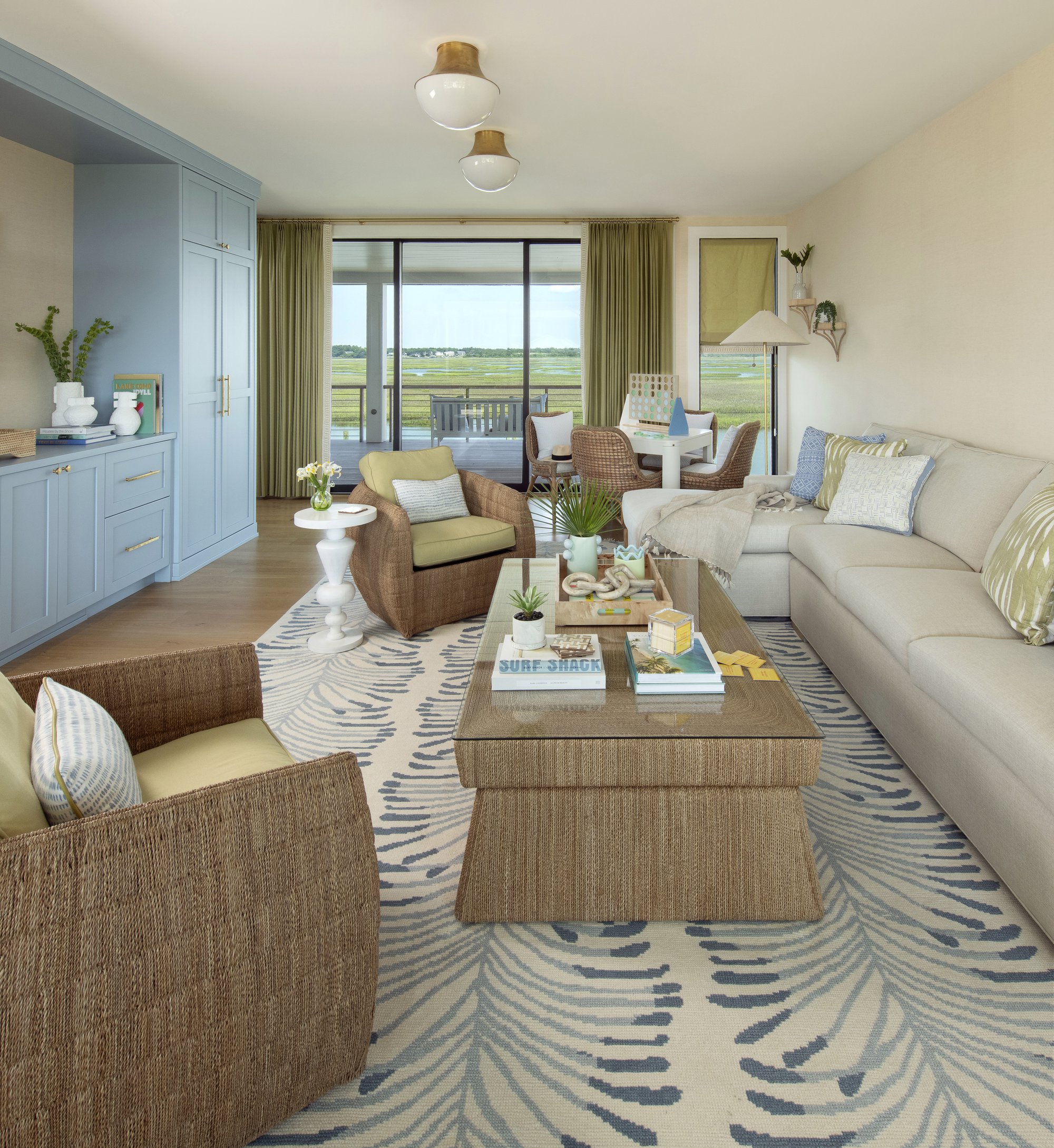
Walking into a home that feels inviting often has less to do with the size of the space and more to do with the details that shape its atmosphere. One of the most effective interior design tips for creating warmth and character is mixing and matching textures. Whether it’s the grain of natural wood, the softness of a throw blanket, or the sleek finish of polished stone, thoughtful layering of textures can make a home feel balanced, cozy, and refined.
Why Texture Matters in Interior Design
Texture influences how people experience a space beyond what they see. It taps into the sense of touch, adding depth and personality. Smooth, glossy finishes might suggest elegance, while rough or matte textures often feel rustic and grounded. Combining these elements ensures that a room never feels flat or sterile. For homeowners looking for practical interior design tips, texture is the key to transforming a house into a home that feels truly lived in.
The Basics of Mixing Textures
The foundation of mixing textures lies in contrast and balance. Too many soft elements may make a room feel overly casual, while too many hard finishes can feel cold. Successful design brings these together harmoniously. For example, a leather sofa becomes warmer when paired with a knitted throw or woven rug. The contrast makes each element stand out while maintaining a cohesive look.
When thinking about how to mix textures, it helps to keep a few guidelines in mind. These act as simple rules that ensure variety without creating chaos in the design.
Quick rules for mixing textures:
- Combine at least three different textures in every room.
- Contrast hard and soft finishes to keep balance.
- Use repetition in accents like cushions or decor to unify the design.
These practices bring intention into decorating, allowing a room to feel thoughtfully designed while still being warm and approachable.

Interior Design Tips for Choosing Textures
Choosing the right textures depends on both function and mood. The right blend ensures that a space is not only beautiful but also practical for daily living. To achieve this, homeowners can think about materials, fabrics, and finishes in ways that balance style with usability.
Here are a few practical interior design tips for selecting textures effectively:
- Layer Natural and Manufactured Materials: Wood, stone, and linen bring natural warmth, while glass, metal, and concrete provide modern sophistication. A mix of the two ensures balance.
- Play with Fabric Weight: Lightweight cotton or silk curtains add airiness, while heavy velvet or wool blankets bring richness. Mixing them creates seasonal flexibility and visual interest.
- Vary Finishes Within the Same Material: Instead of using one type of wood finish throughout, mix light oak with dark walnut for depth. A polished marble counter paired with honed stone flooring achieves a similar effect.
When approached with intention, these combinations elevate even the simplest interiors into something more memorable. They also ensure that spaces are not only stylish but also feel grounded and comfortable.
Creating Warmth with Layered Textiles
Few design elements can match the warmth that textiles bring. Rugs, pillows, blankets, and curtains instantly soften hard architectural lines. Layering textiles in complementary colors adds comfort without overwhelming a space. For example, a neutral wool rug topped with a patterned cotton one can ground a seating area and draw attention to the furniture arrangement.
Some of the simplest changes with textiles can transform the overall look and feel of a room. Below are easy ways to bring softness and character into a home:
Easy ways to add warmth with textiles:
- Place a thick area rug under a coffee table to anchor the living room.
- Use throw pillows in different fabrics like linen, velvet, or wool.
- Layer curtains with sheer panels behind heavier drapes.
- Add a cozy blanket at the end of the bed or sofa.
What makes textiles so effective is their flexibility. They can be rotated seasonally, updated with trends, or layered in new ways without requiring a complete renovation.
Contrast in Hard and Soft Surfaces
Balancing hard and soft finishes is one of the most effective interior design tips for creating harmony. Coastal-style homes, for example, often feature natural stone floors that feel cool underfoot. To offset this, woven baskets or rattan furniture add organic softness. Similarly, modern interiors with glass and steel benefit from plush rugs and soft upholstery that prevent them from feeling too stark.
This push and pull between hard and soft surfaces is what gives a home depth. Without it, interiors risk feeling flat, either too rigid or overly casual.
Using Lighting to Highlight Texture
Light not only illuminates a room but also enhances textures. A wall with a stone finish looks flat under harsh overhead light, but directional sconces or warm-toned lamps reveal its natural dimension. Even textiles respond to lighting; velvet reflects light differently than linen, giving each piece a unique role in the room’s design.
To maximize the effect, it helps to think of lighting as another design layer. Instead of relying solely on ceiling lights, homeowners can use lamps, wall sconces, and accent lighting to showcase texture throughout a space.
Interior Design Tips for Small Spaces
Texture becomes even more important in smaller interiors where square footage is limited. Choosing the right materials makes spaces feel larger without sacrificing comfort. Smooth, reflective finishes like glass or polished stone bounce light and create openness. Pairing them with woven rugs or textured wallpaper ensures the space doesn’t feel sterile.

Here are a few texture ideas that work especially well in compact rooms:
Texture ideas for small interiors:
- Use mirrors to reflect light and emphasize depth.
- Choose furniture with mixed materials, like a wood-and-metal coffee table.
- Add textured wall panels for dimension without clutter.
- Incorporate layered textiles to soften compact spaces.
When applied thoughtfully, these strategies change the perception of size and bring warmth even to the smallest areas of a home.
Bringing Texture into Every Room
Every room in the house benefits from the layering of textures. In kitchens, stone countertops paired with wood cabinetry feel inviting yet practical. Bedrooms thrive on textiles. Layered bedding, upholstered headboards, and plush rugs make them cozy retreats. Bathrooms, often overlooked, can gain warmth from natural stone tiles combined with soft cotton towels or woven baskets for storage.
Consistency across the home ensures flow, but small variations keep each room unique. This balance between continuity and individuality allows homeowners to express their personality while maintaining harmony.
Building Interiors That Feel Warm and Balanced
Texture has the power to transform interiors into spaces that feel layered, inviting, and timeless. Mixing and matching materials, finishes, and textiles creates homes that are both visually appealing and comfortable to live in.
At Konrady & Son Construction, we believe great design combines beauty with function, and thoughtful use of textures plays a central role in that balance. Ready to build the home of your dreams? Send us a message today.